



RFID smart card examples
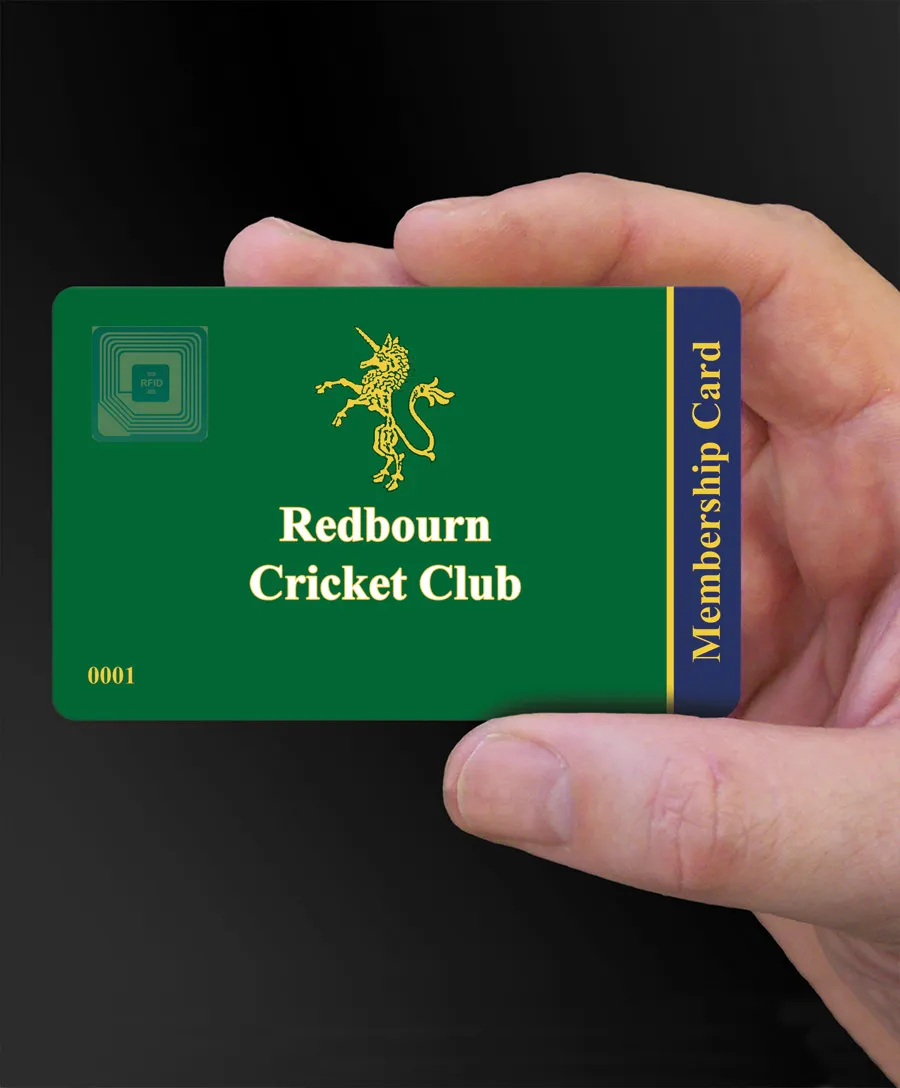
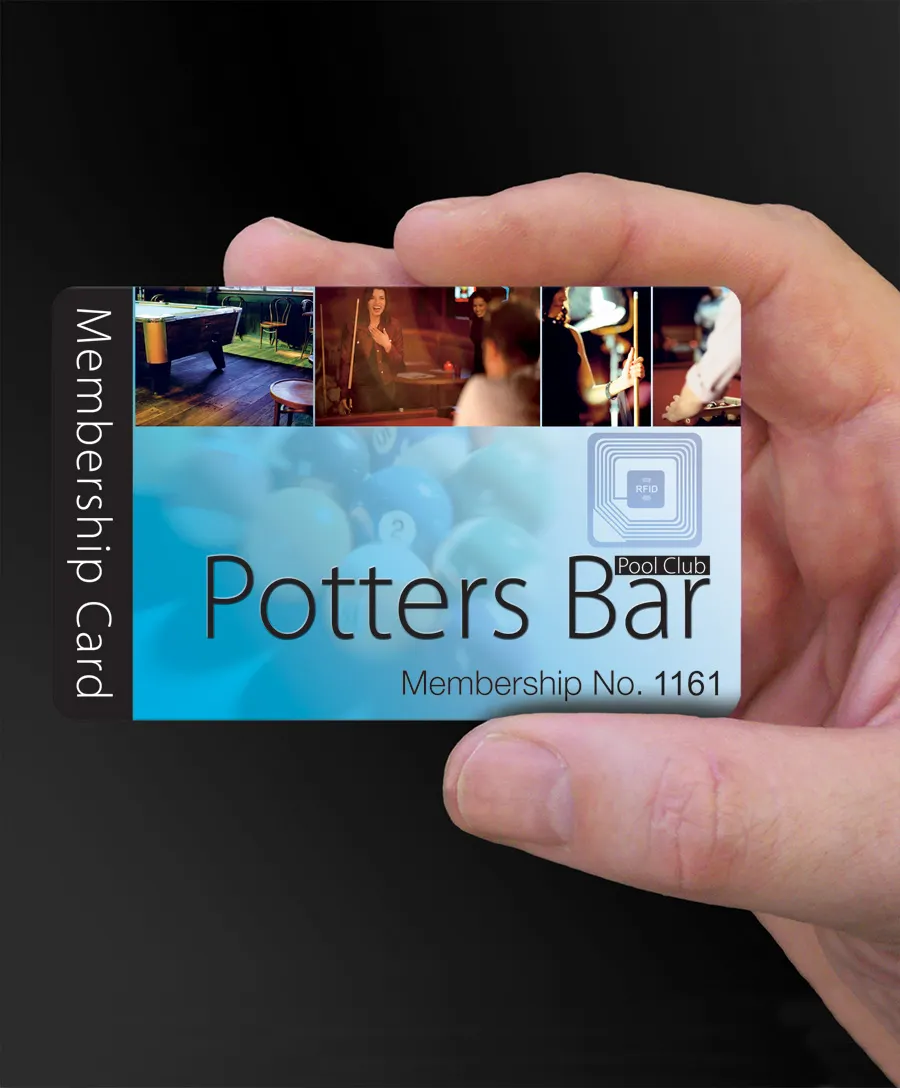
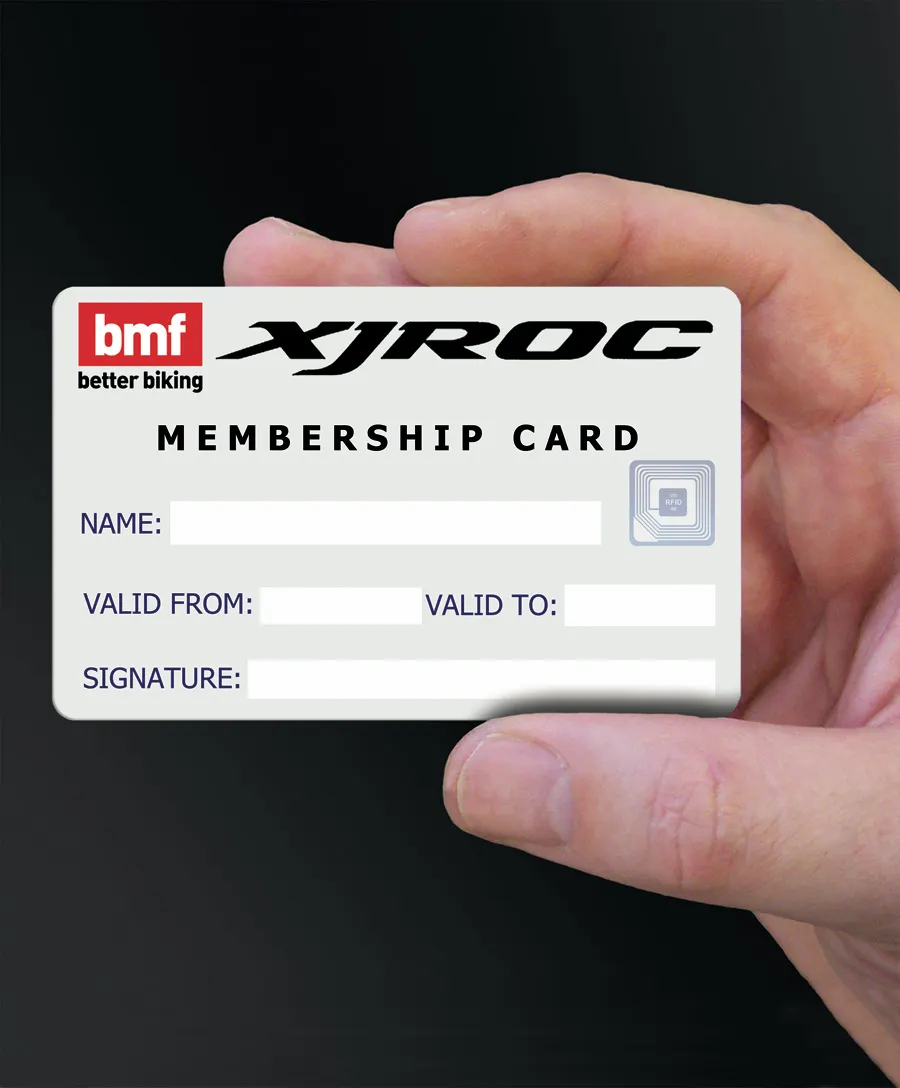
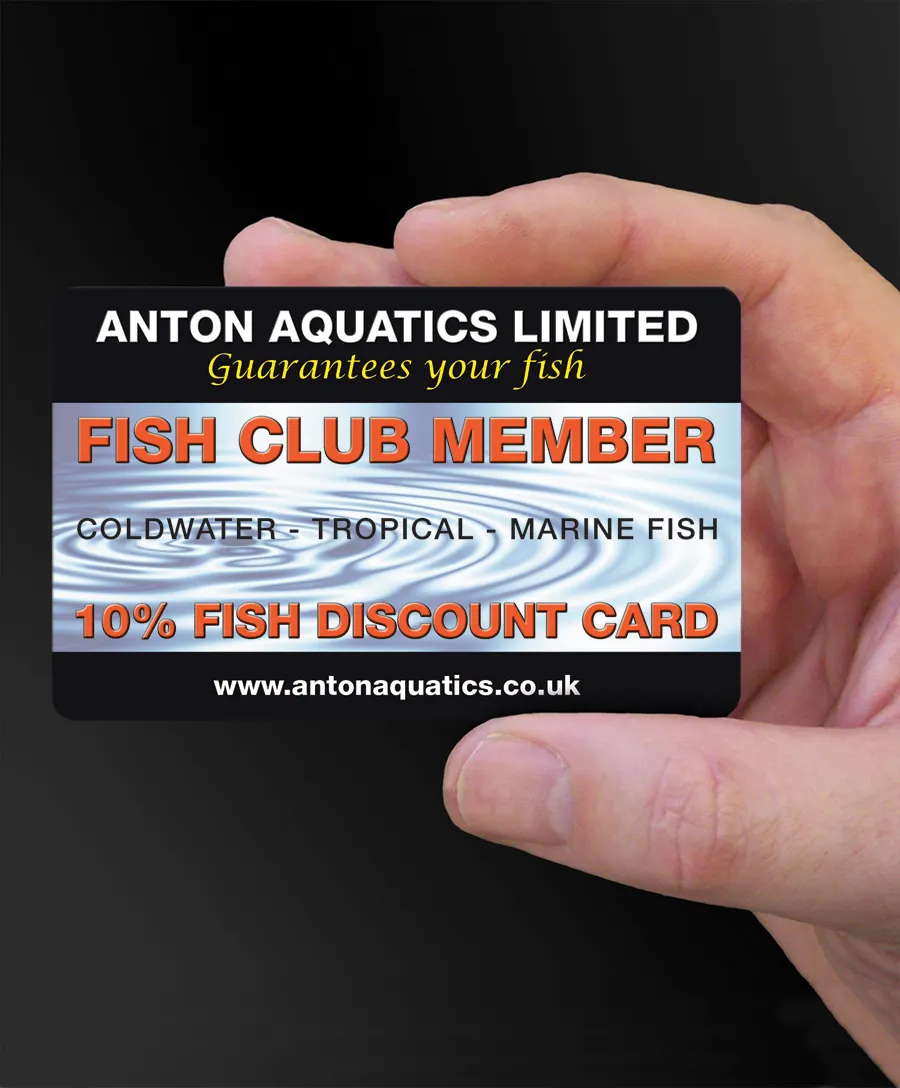
RFID and contactless card design ideas
RFID/NFC smart cards embed a chip and antenna for contactless door access, attendance tracking, or cashless payment at an event or site — a step up from a barcode or magstripe card where tap-and-go speed or two-way data is needed. The chip type and frequency must match the reader hardware already installed, so it's worth confirming compatibility with your existing access-control or EPOS system before ordering.
Do you see a design that you like?
Love one of our examples? Let’s use it as inspiration!
If you spot an example design that catches your eye, we can use it as a starting point to create your own design.
We’ll tailor the layout, colours, logos, and text to suit, all included as part of our Design Service.
Just tell us what you like and send over any logos and pictures, and we’ll do the rest.






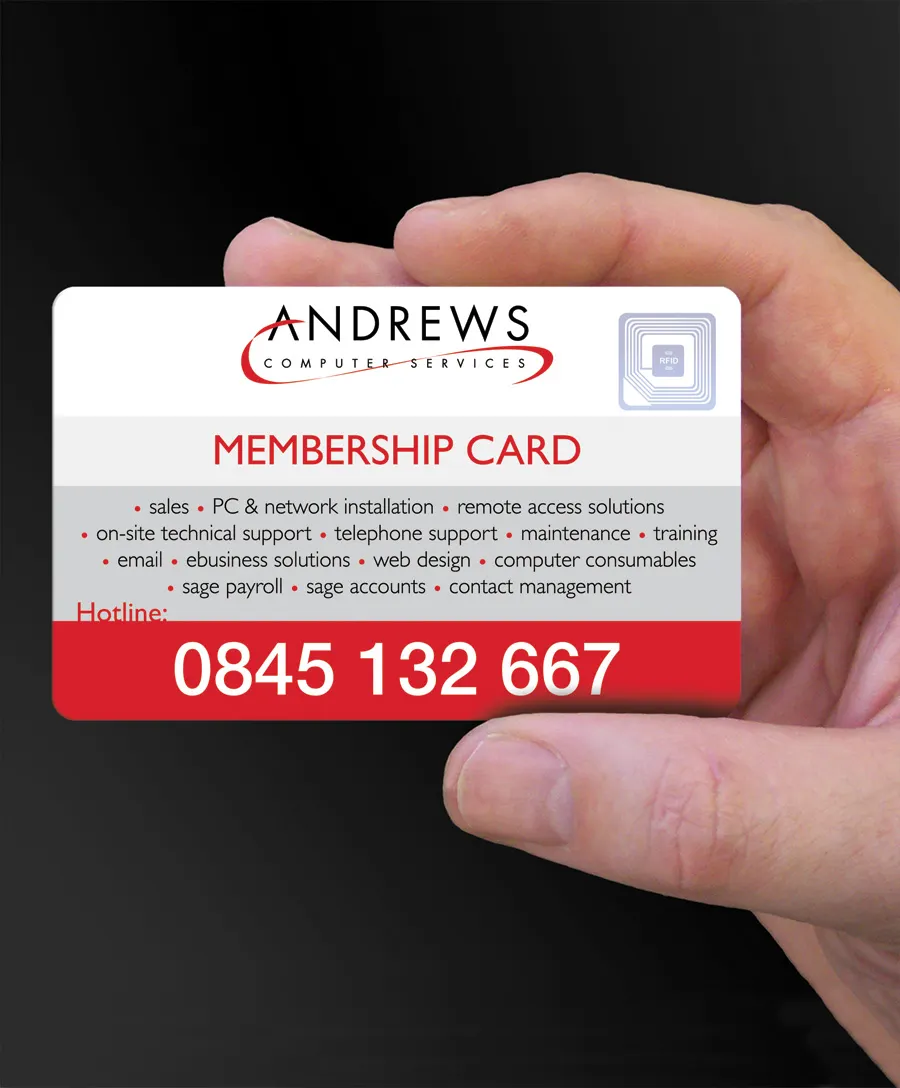
Get the Chip Right Before You Get the Design Right
With every other card on this site you can start with the design. With RFID you cannot, because a beautifully printed card carrying the wrong chip is an expensive coaster.
The chip type and frequency have to match the reader hardware you already have installed. Low-frequency 125kHz cards and high-frequency 13.56MHz cards are not interchangeable in any way — a reader built for one will not see the other at all. Within those there are different chip families, and a system configured for one may reject another even at the same frequency.
So the first job is a conversation with whoever supplied or maintains your access control or EPOS system. Ask them for the exact chip specification their readers expect, and send it to us with your artwork. We supply Mifare and Fudan cards in 1K and 4K memory sizes, which covers the large majority of UK installations, and if your system needs something else it is far better to find that out now than after 500 cards have been printed.
If you already have working cards, the quickest route is to tell us what is printed on them and who installed the system.
Who Does the Encoding
This is the detail that surprises people most often, so it is worth stating plainly: we supply RFID cards unencoded. The chip is in the card and the card is printed, but no data has been written to it. You will need to write your own data using your own system.
That is the opposite of how we handle magnetic stripes, which we can encode for you before we ship. With RFID the encoding is normally done by the access control software at the point a card is issued to a person, which is how most sites want it anyway — the card becomes live when it is handed over, not when it leaves us.
The practical consequence is that somebody at your end needs to have an encoder and know how to use it before the cards arrive. If your access system was professionally installed this is almost certainly already in place. If you are starting from scratch, sort it out in parallel with ordering rather than afterwards.
Printing, Thickness and Lanyard Holes
RFID cards are printed in vibrant full colour CMYK on both sides, sealed beneath the card surface for durability, with a choice of high gloss or premium matt finish — visually identical to any other card we print. Our 1K Mifare cards are 820 microns thick, a little more than the standard 760, because there is a chip and an antenna laminated inside.
That internal antenna is the one thing to design around. It runs as a loop around the inside of the card, and a hole punched through it will kill the card stone dead. If your cards need to hang from a lanyard, tell us when you order so the hole can be placed clear of the antenna — or use a clear card holder instead, which is what most sites end up doing anyway because it protects the card as well.
Everything else is available as normal: sequential numbering printed on the card so it can be matched to a person in your register, barcodes or QR codes as a fallback for readers that are down, signature strips and photoseals for visual identification at a door.
RFID Smart Card FAQs
Which RFID chips do you supply?
Mifare and Fudan, in 1K and 4K memory sizes. That covers the large majority of UK installations, but confirm the exact specification with whoever maintains your access system before ordering.
Do you encode the cards for us?
No. RFID cards are supplied unencoded and you write your own data using your own system. This is the opposite of magnetic stripes, which we can encode before shipping.
How do I find out what chip my readers need?
Ask whoever supplied or maintains your access control or EPOS system for the exact chip specification. If you already have working cards, tell us what is printed on them and who installed the system.
Are 125kHz and 13.56MHz cards interchangeable?
No, not in any way. A reader built for one frequency will not detect the other at all, so getting this right before ordering is essential.
How thick are RFID cards?
Our 1K Mifare cards are 820 microns, slightly thicker than a standard 760-micron card, because a chip and antenna are laminated inside.
Can you punch a lanyard hole in an RFID card?
Tell us when you order so the hole can be placed clear of the internal antenna — a hole through the antenna loop kills the card. Many sites use a clear card holder instead, which also protects the card.
Can RFID cards be printed in full colour?
Yes, full colour CMYK on both sides, sealed beneath the card surface, with a choice of high gloss or premium matt finish.
Can we add a barcode as well as the chip?
Yes, and it is a sensible precaution. A printed barcode or QR code gives you a fallback way of identifying a member if a reader goes down.