

Plastic Business Card Examples
Plastic business cards are chosen over standard paper cards for their durability and premium feel — they resist bending, tearing, and water damage, so they hold up better in a wallet over months of handling. QR codes linking to a contact-save file or portfolio are a common modern addition, alongside the traditional printed name, title, and contact details.
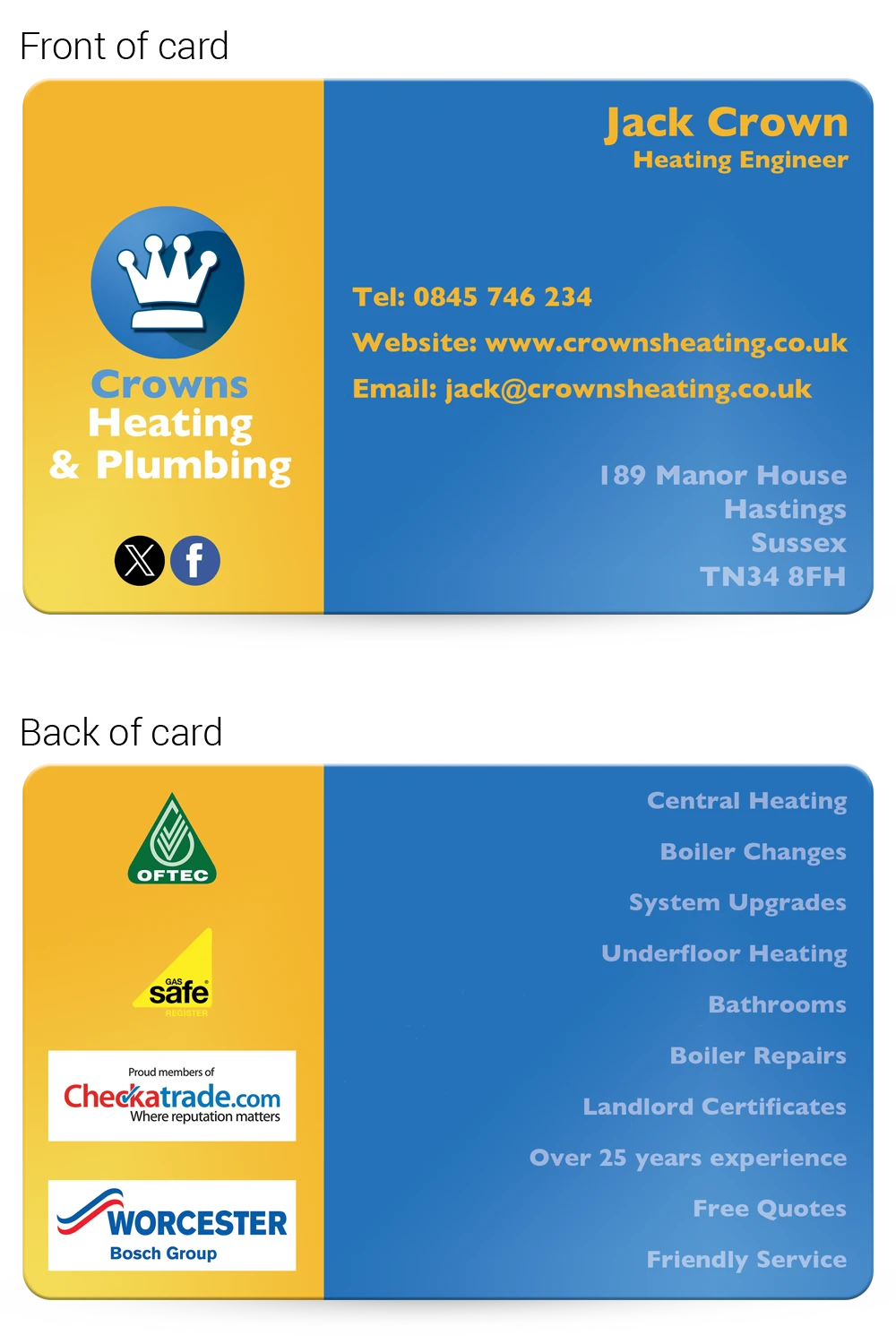
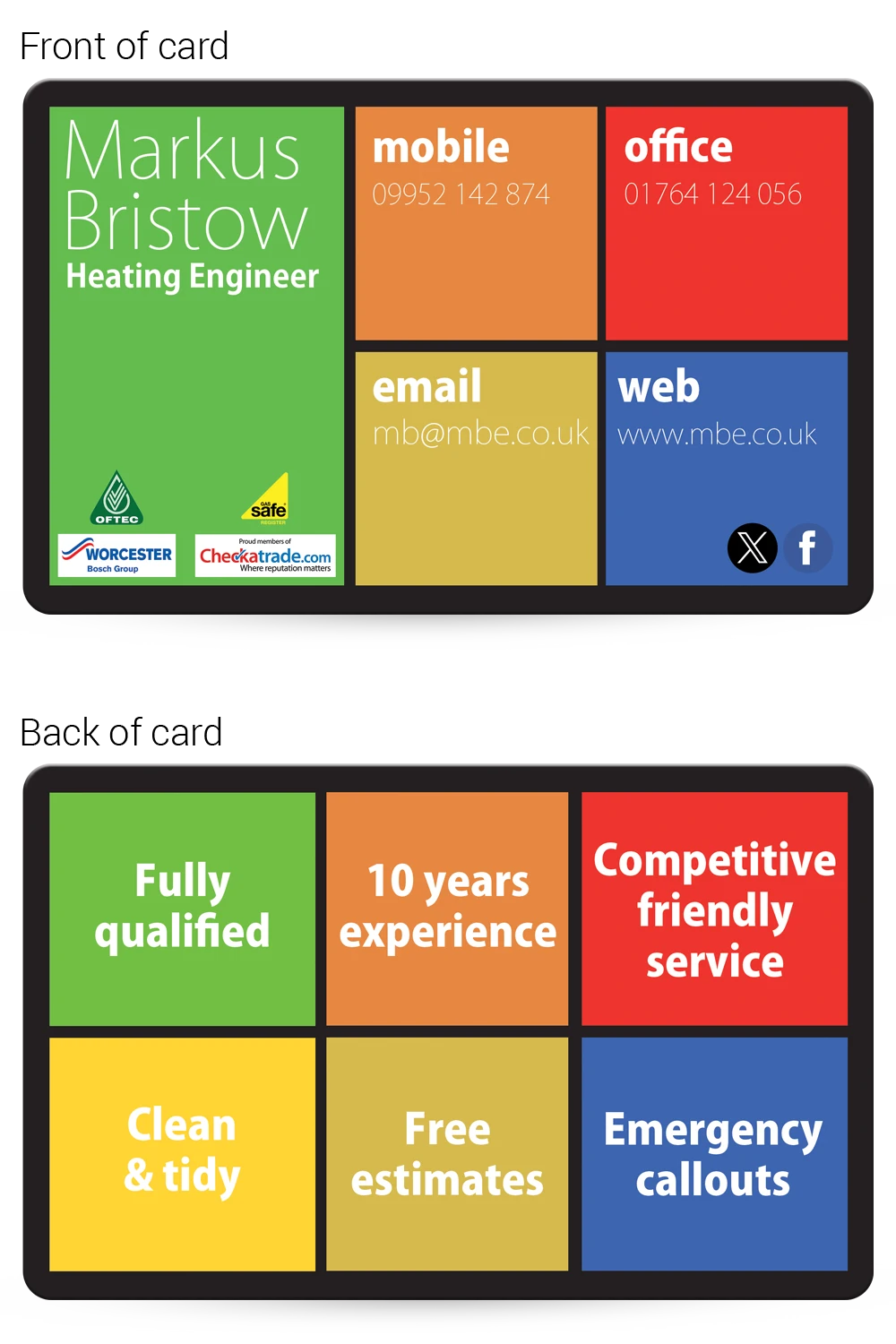
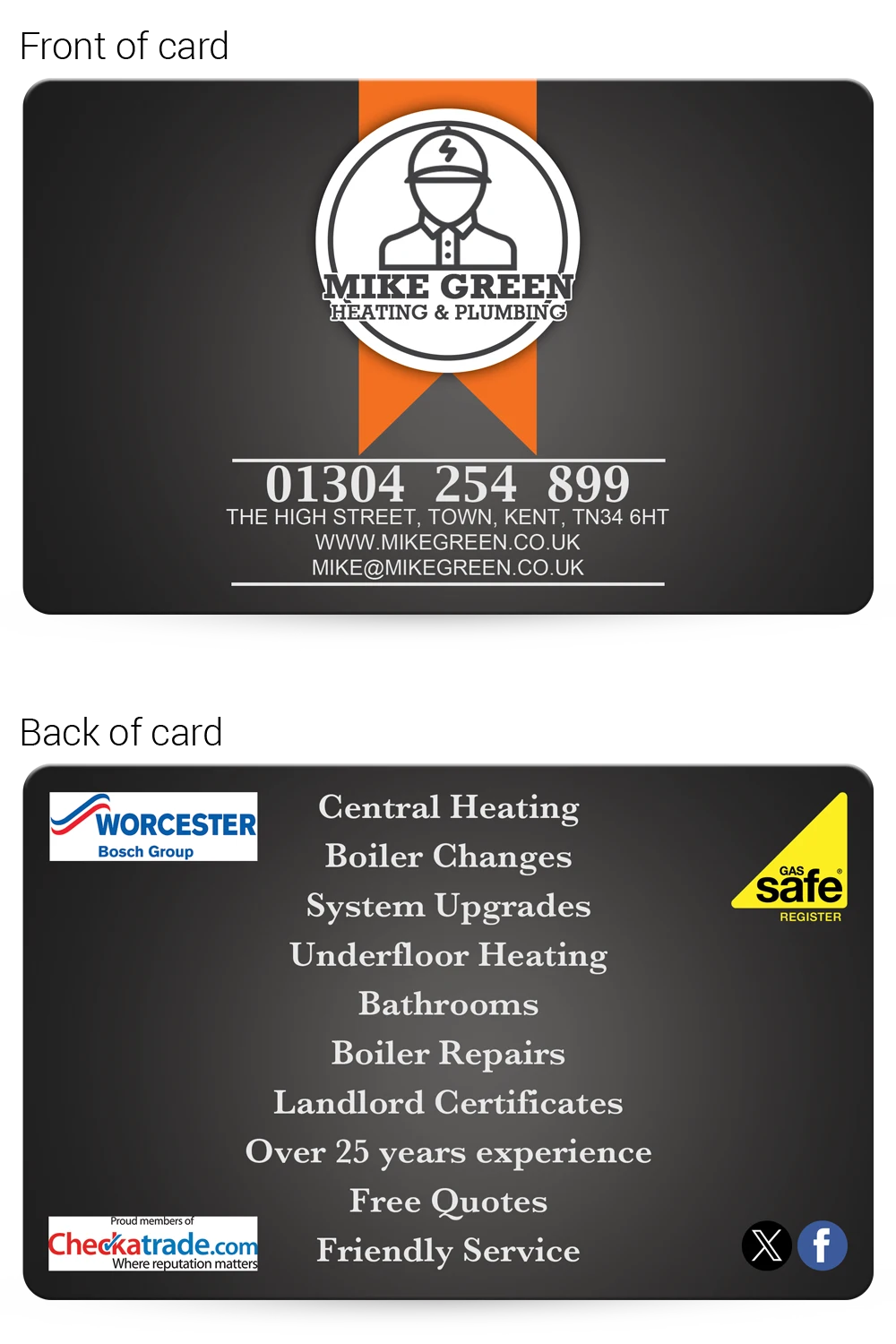
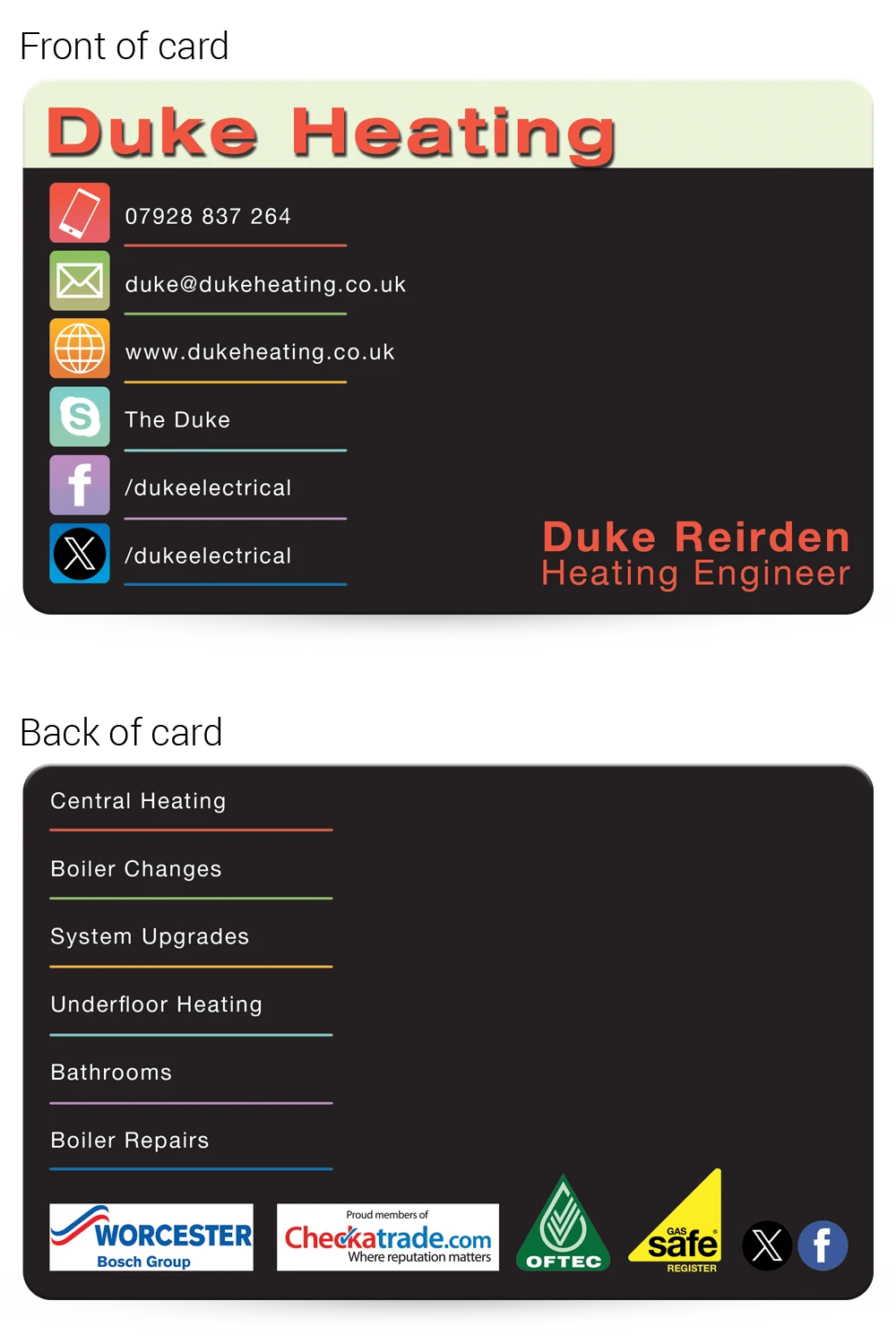
Do you see a design that you like?
Love one of our examples? Let’s use it as inspiration!
If you spot an example design that catches your eye, we can use it as a starting point to create your own design.
We’ll tailor the layout, colours, logos, and text to suit, all included as part of our Design Service.
Just tell us what you like and send over any logos and pictures, and we’ll do the rest.

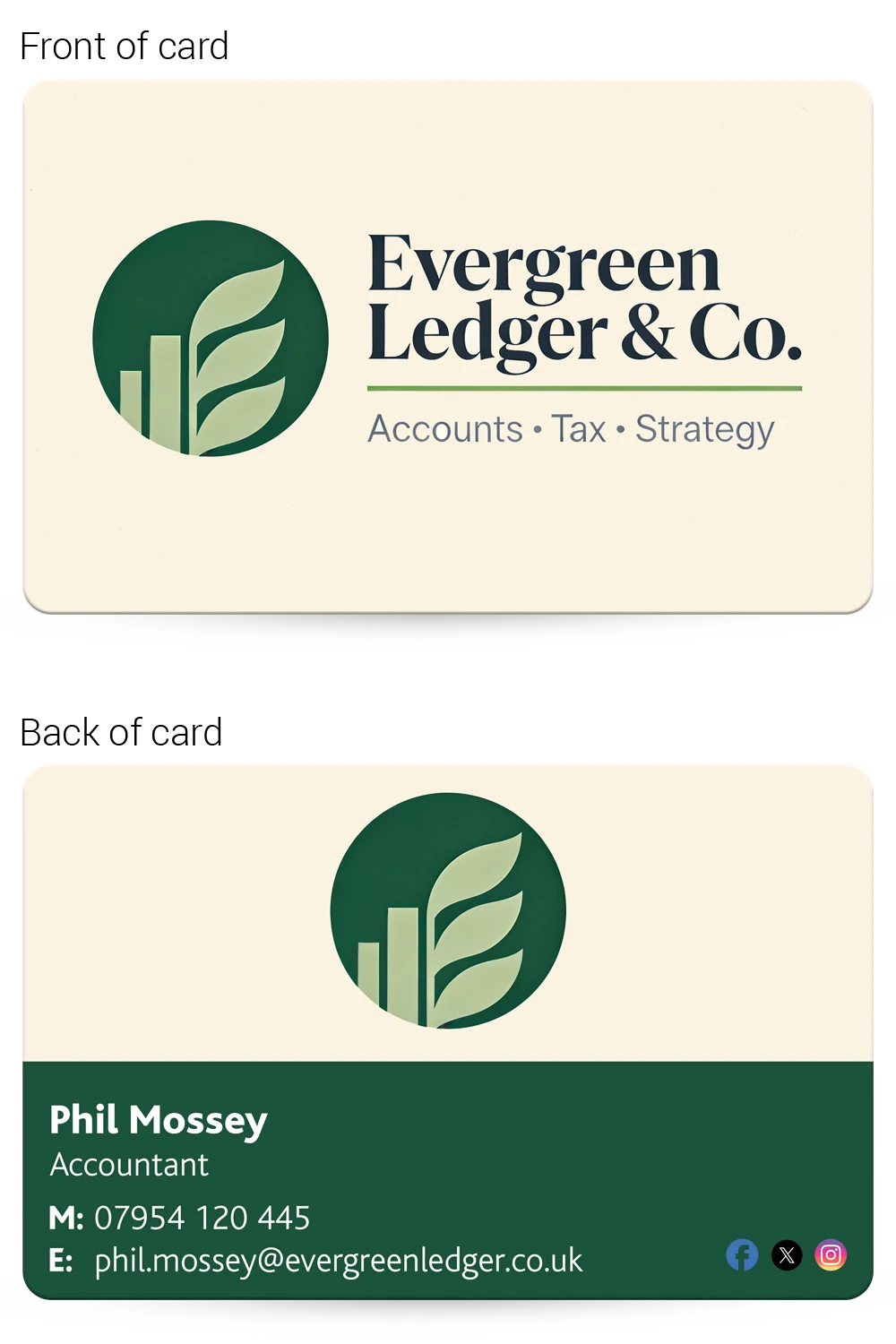
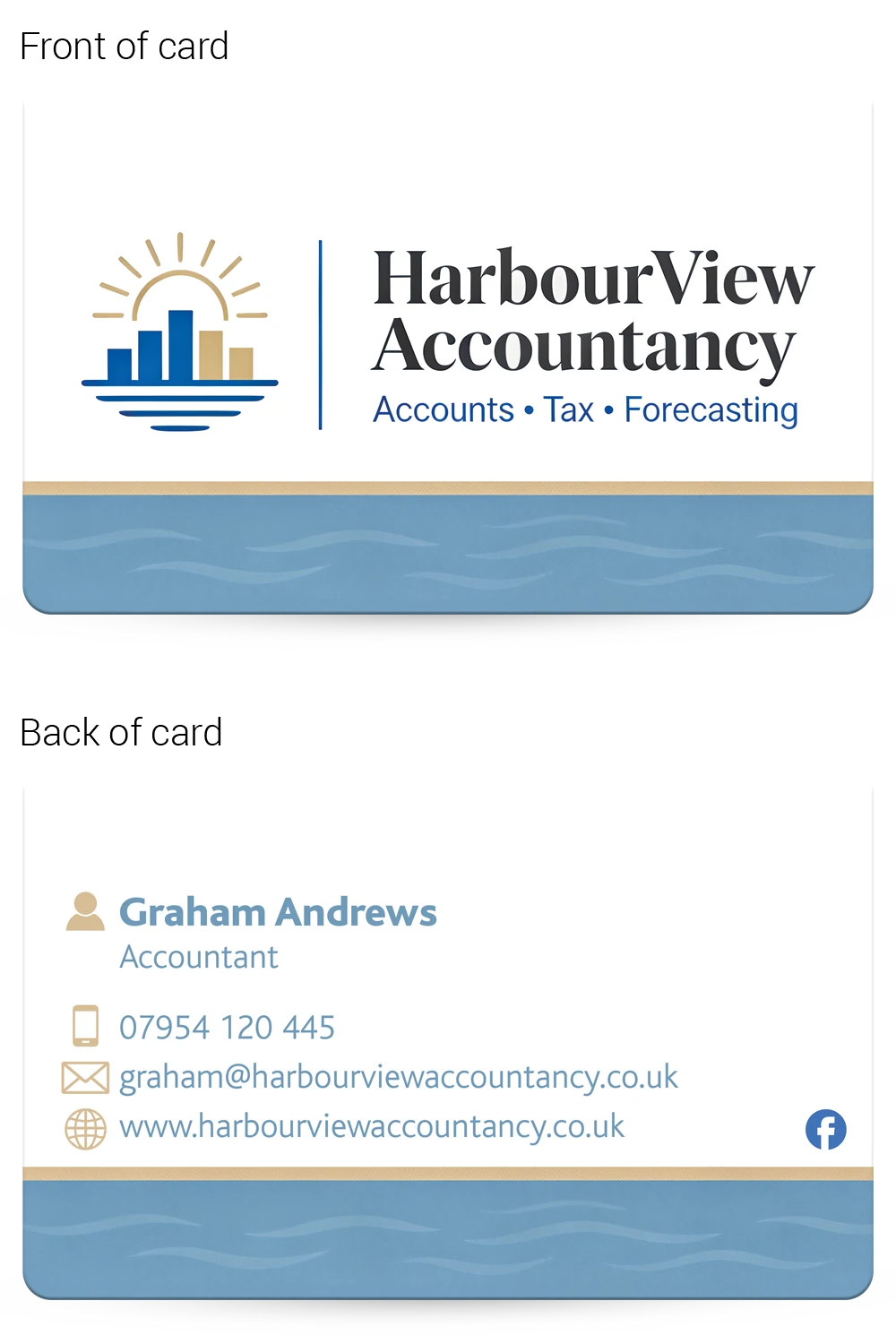
Accountants


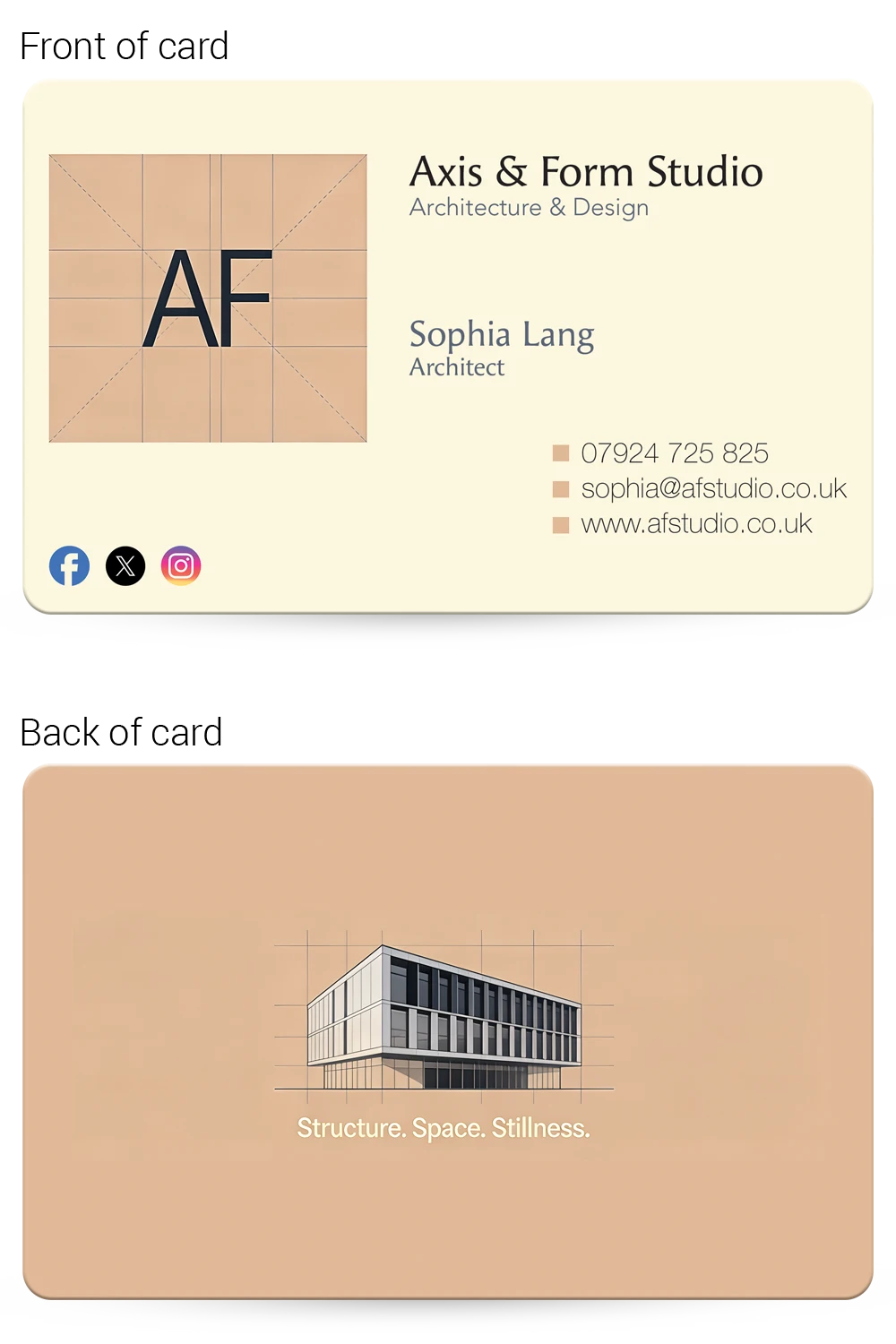
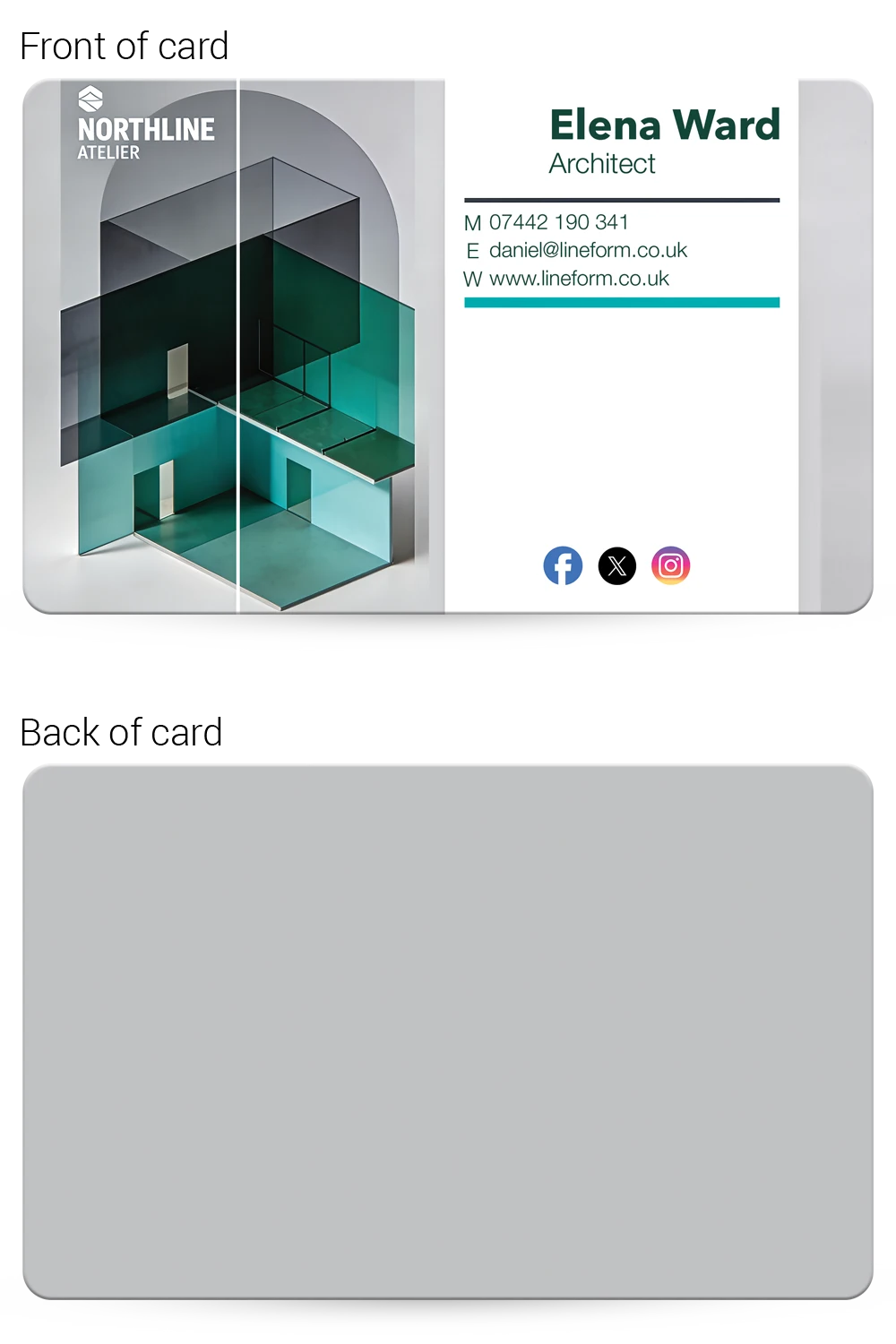
Architects


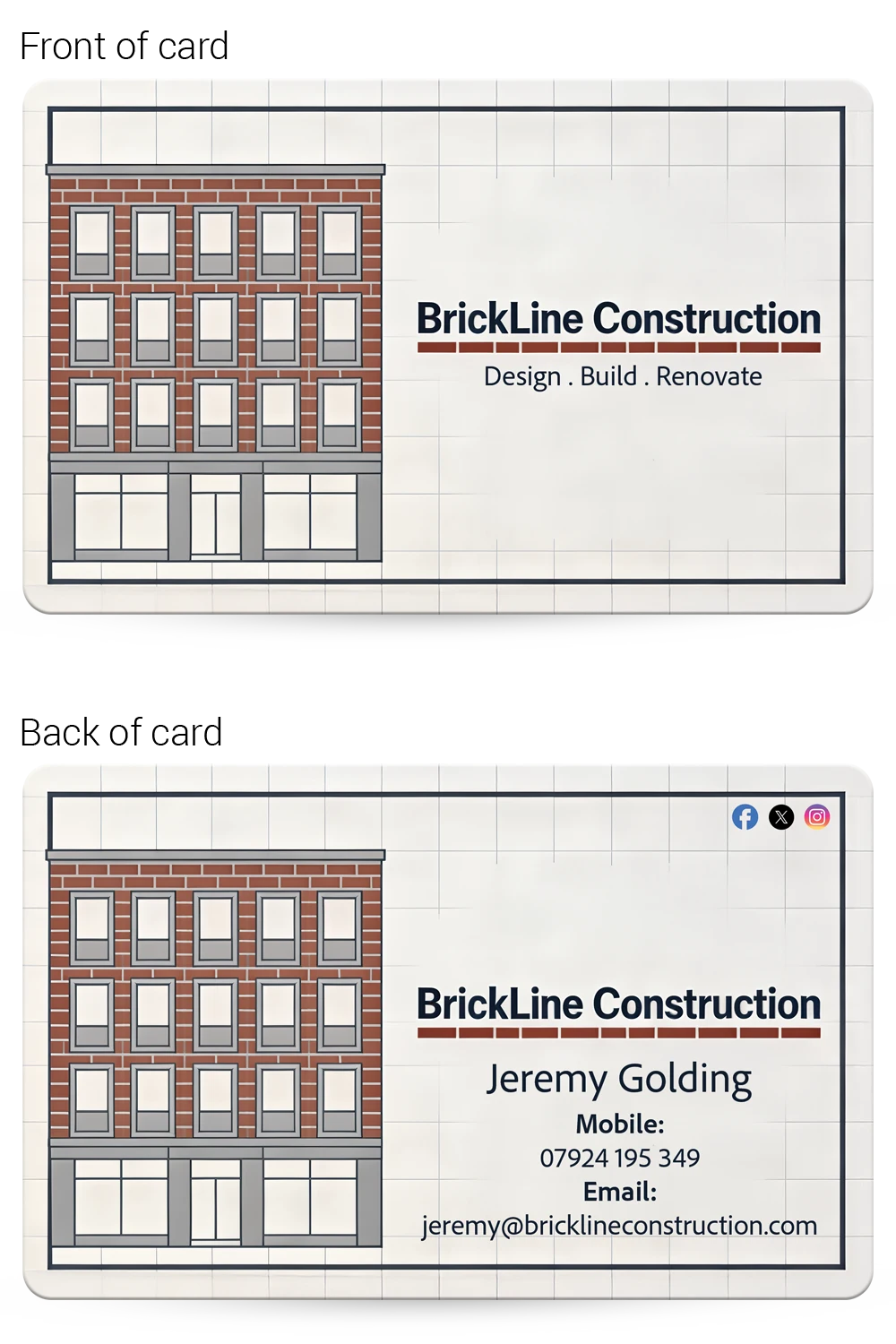
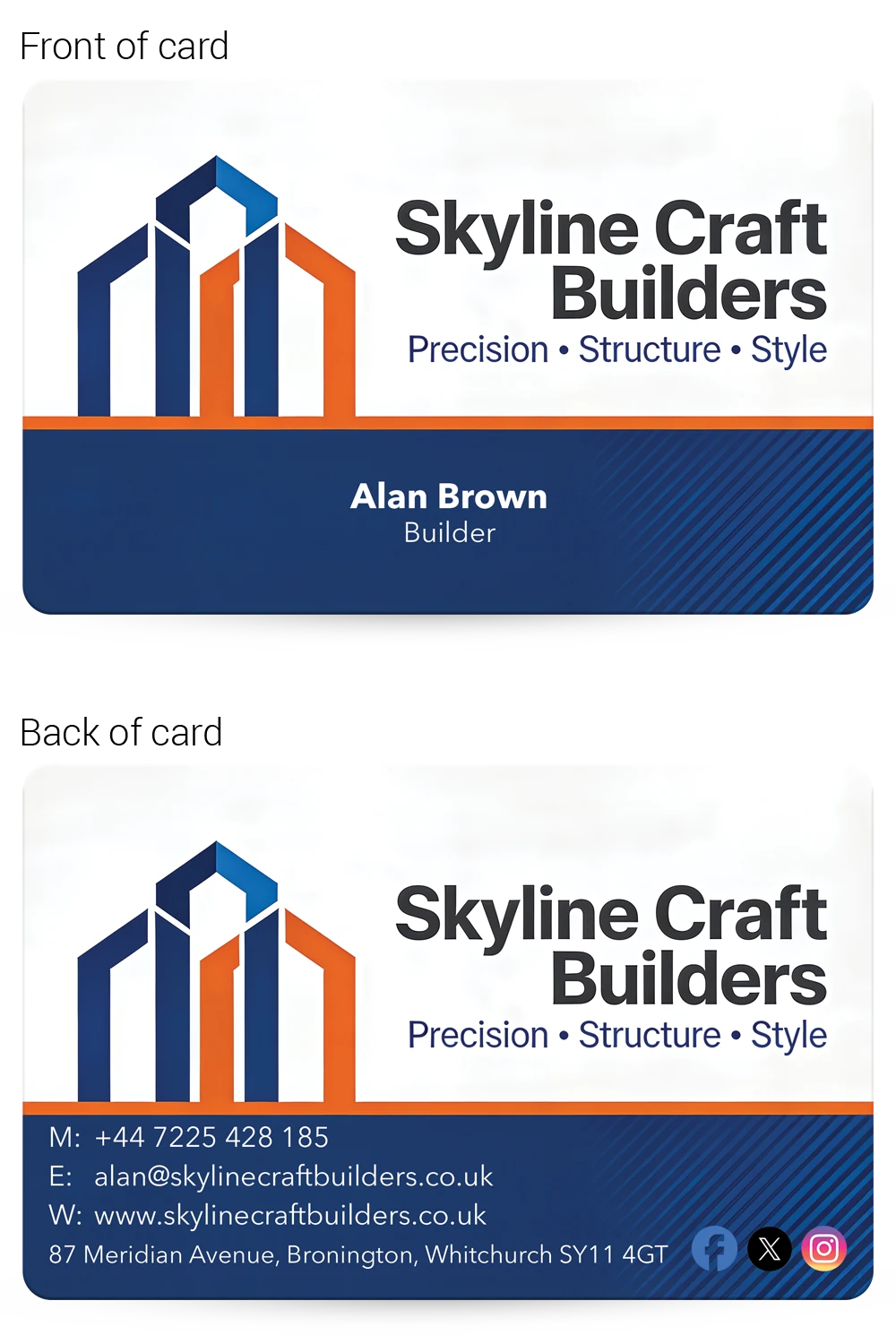
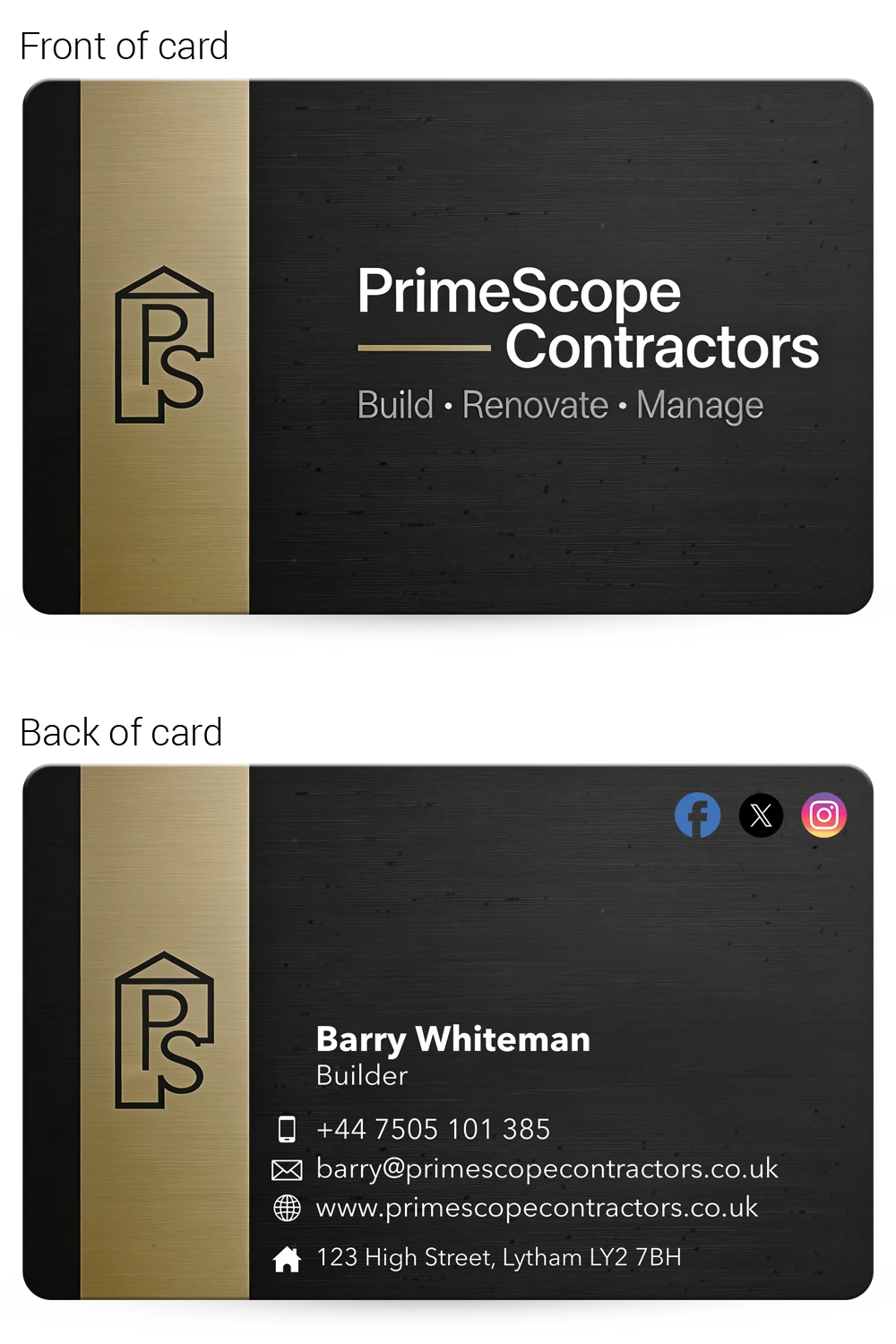
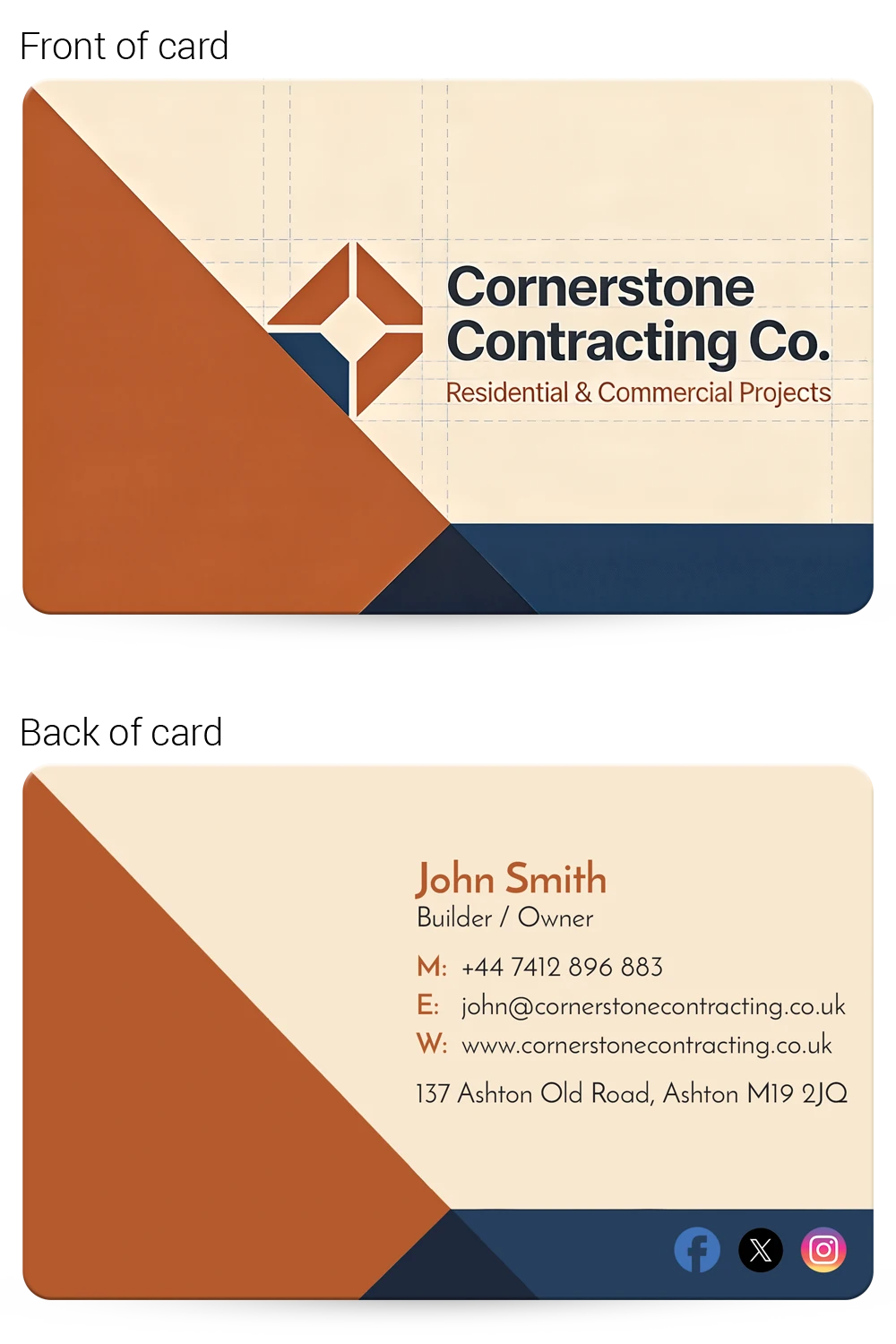
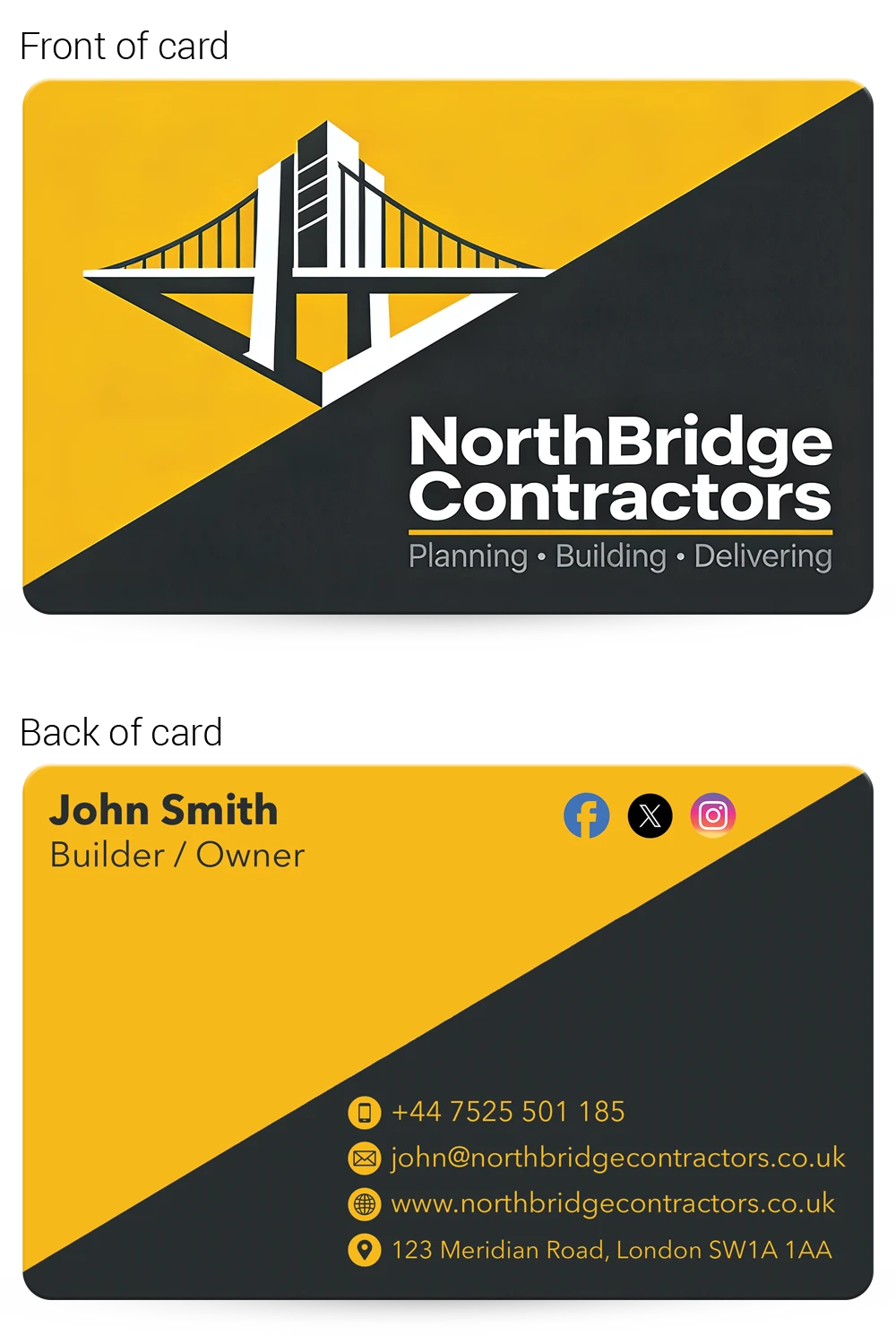
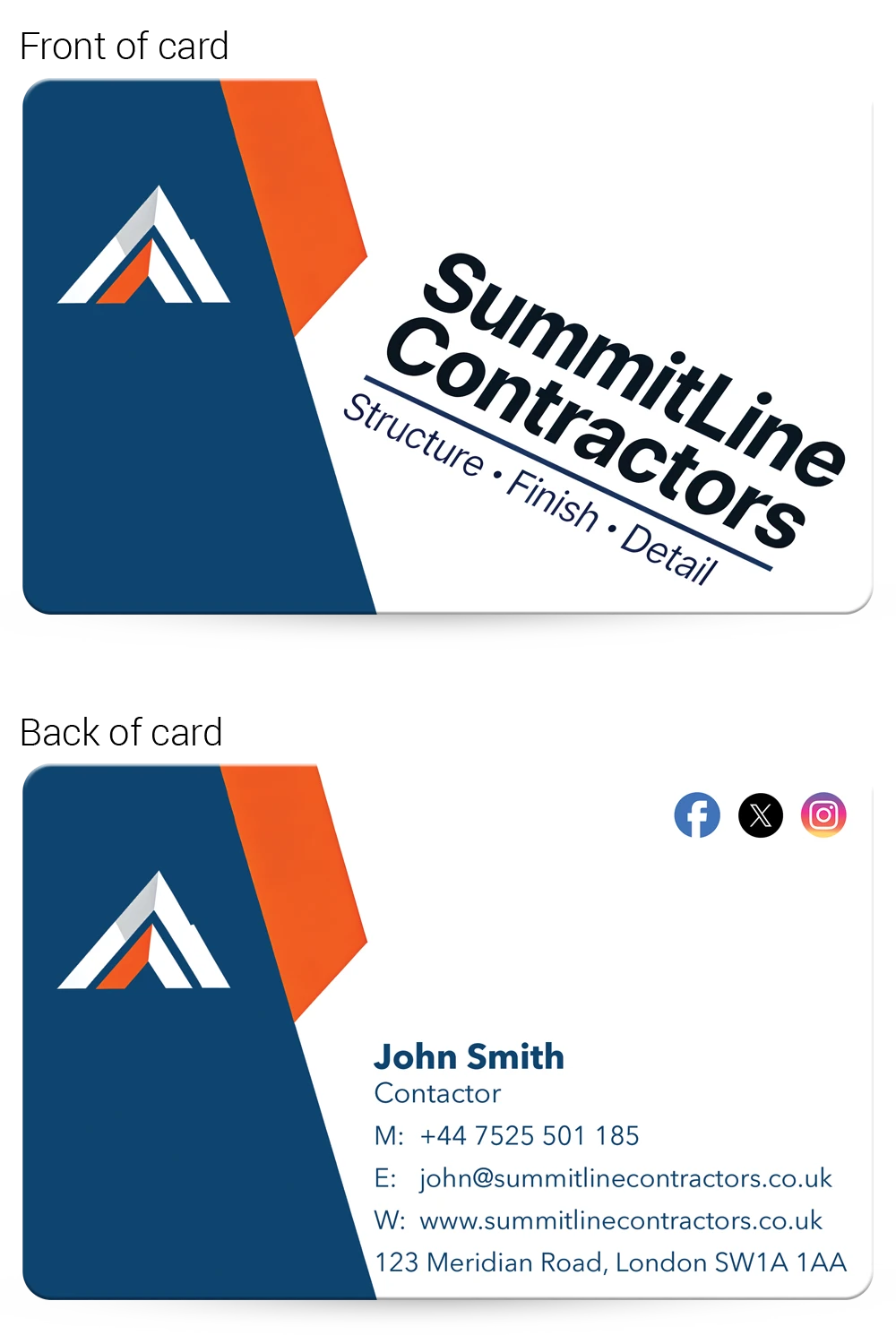
Builders / Construction / Contractors


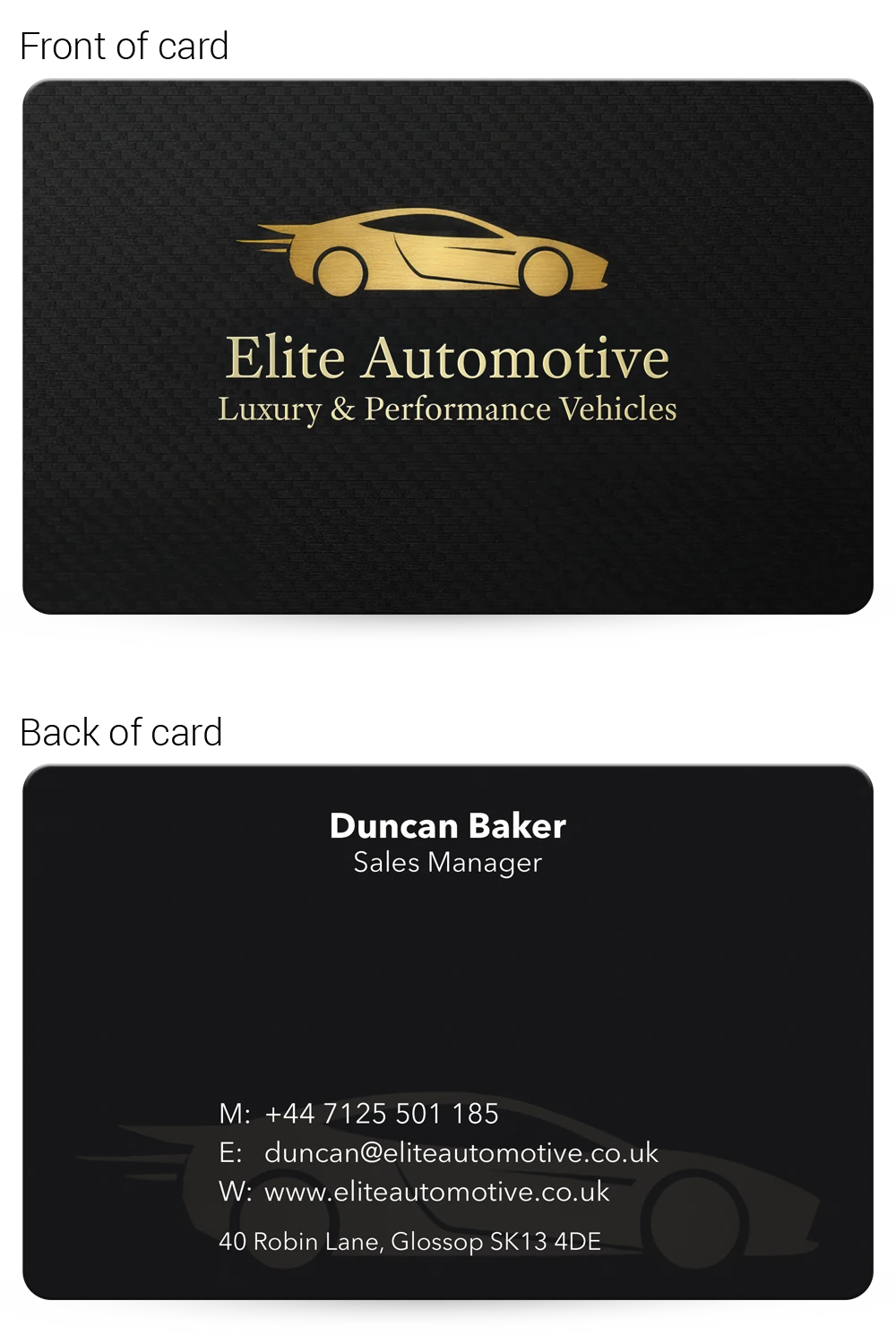
Car Dealers
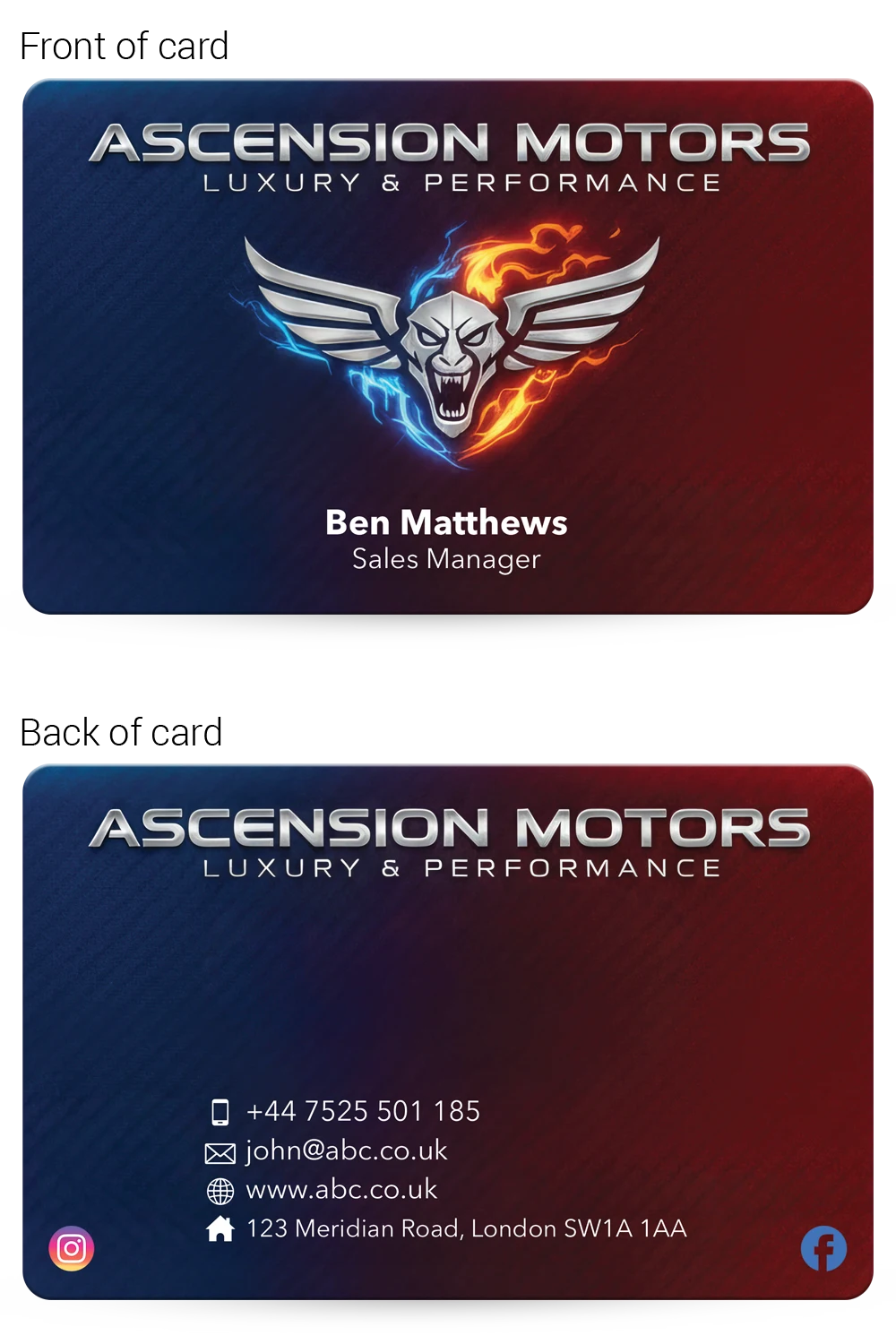
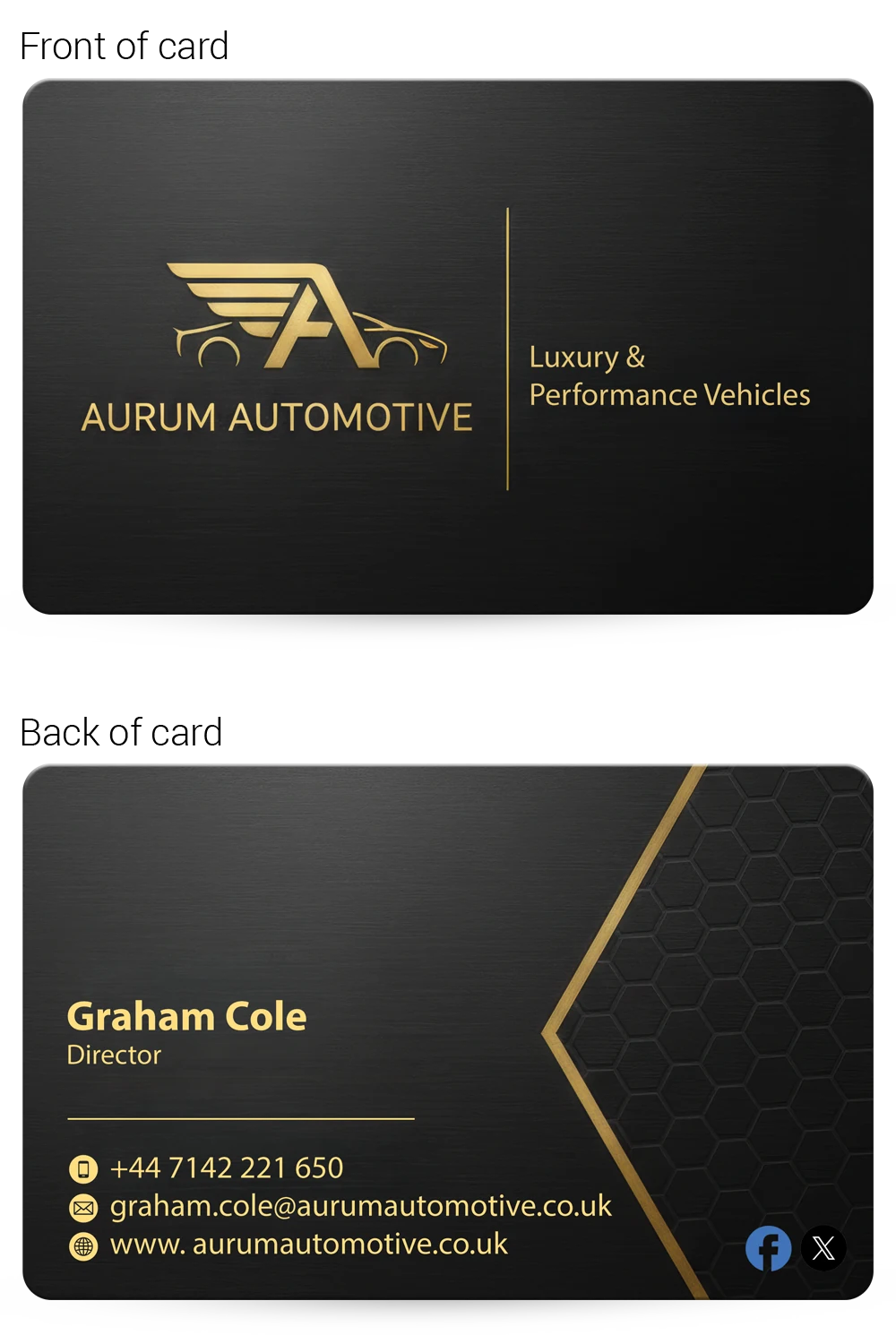
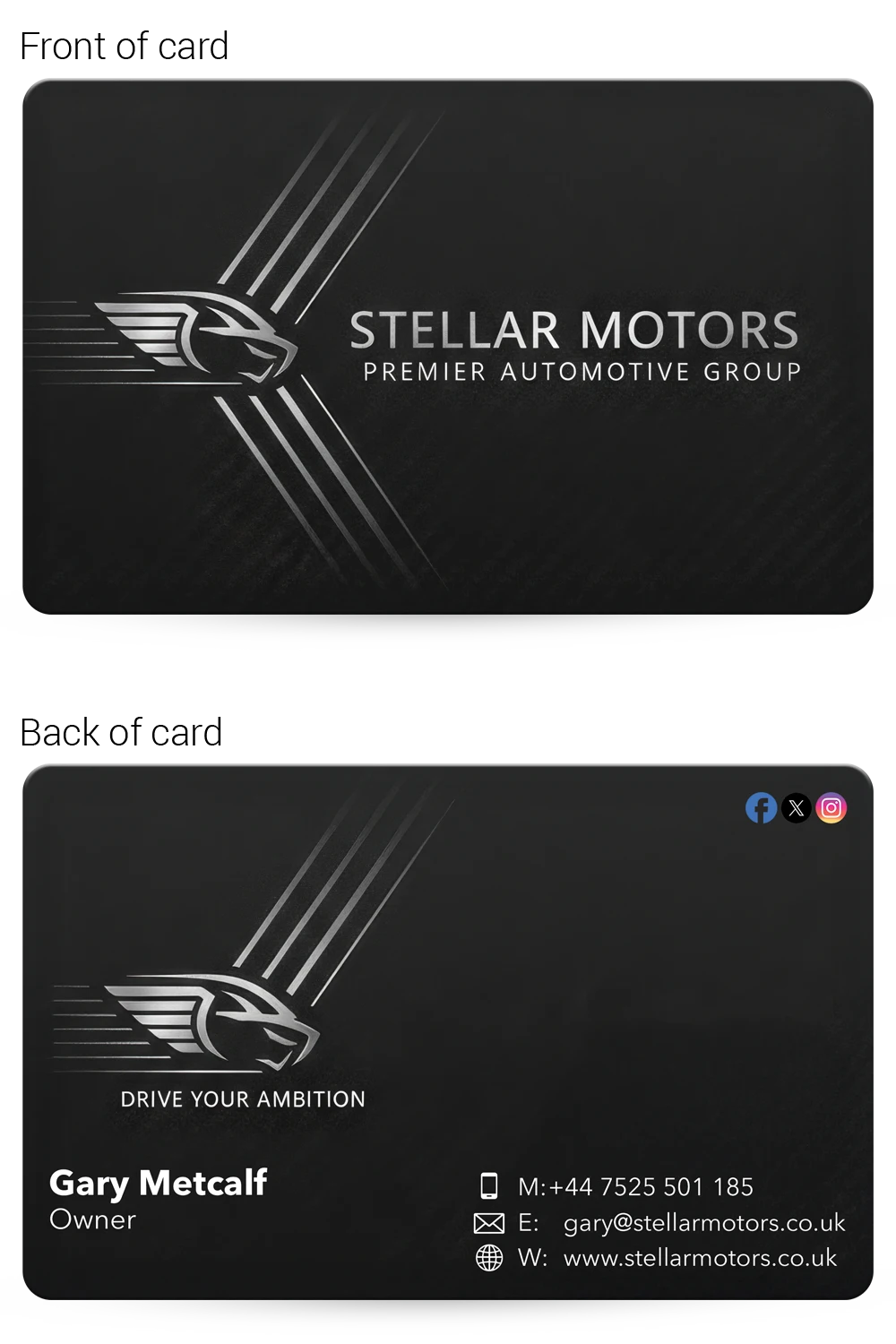
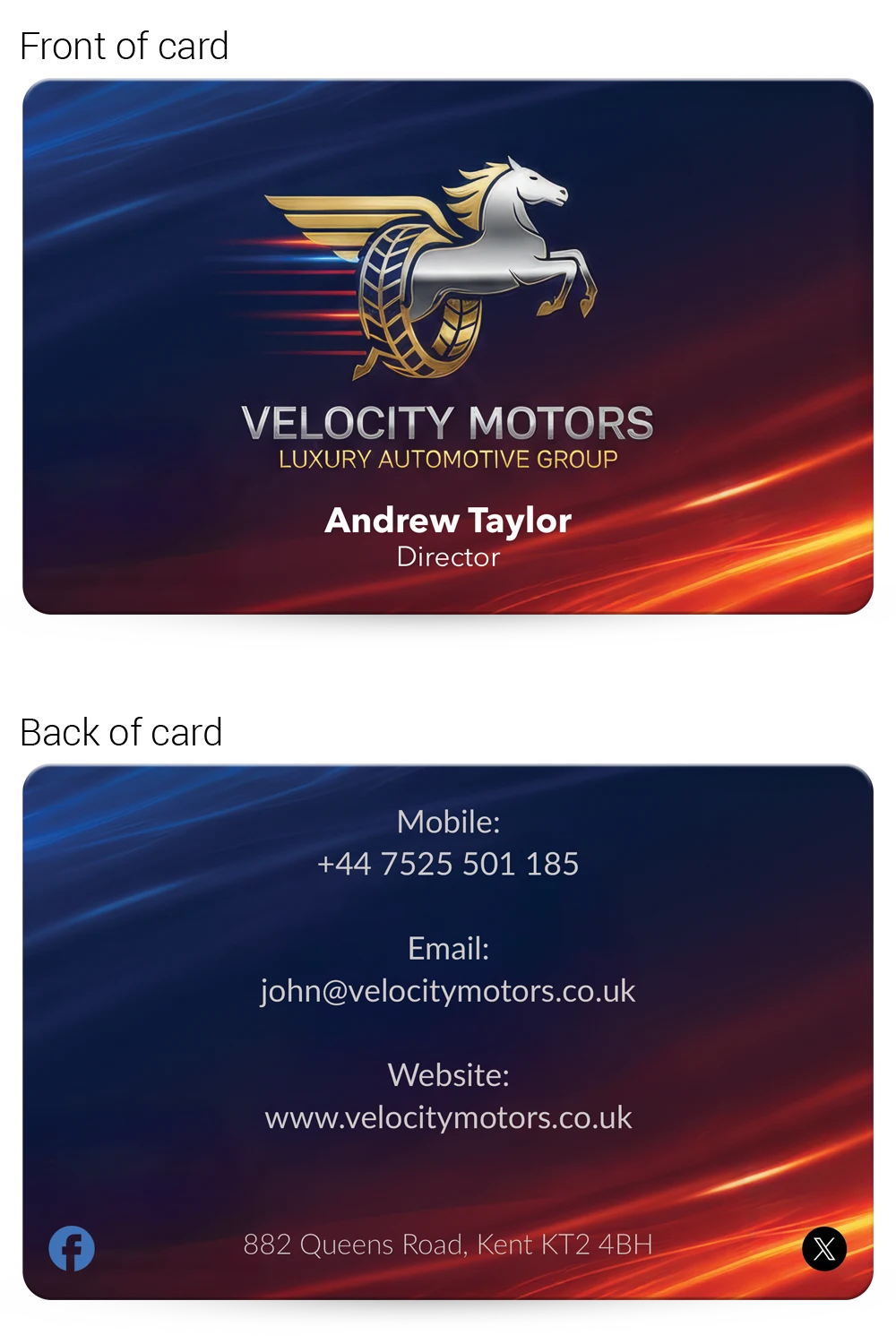
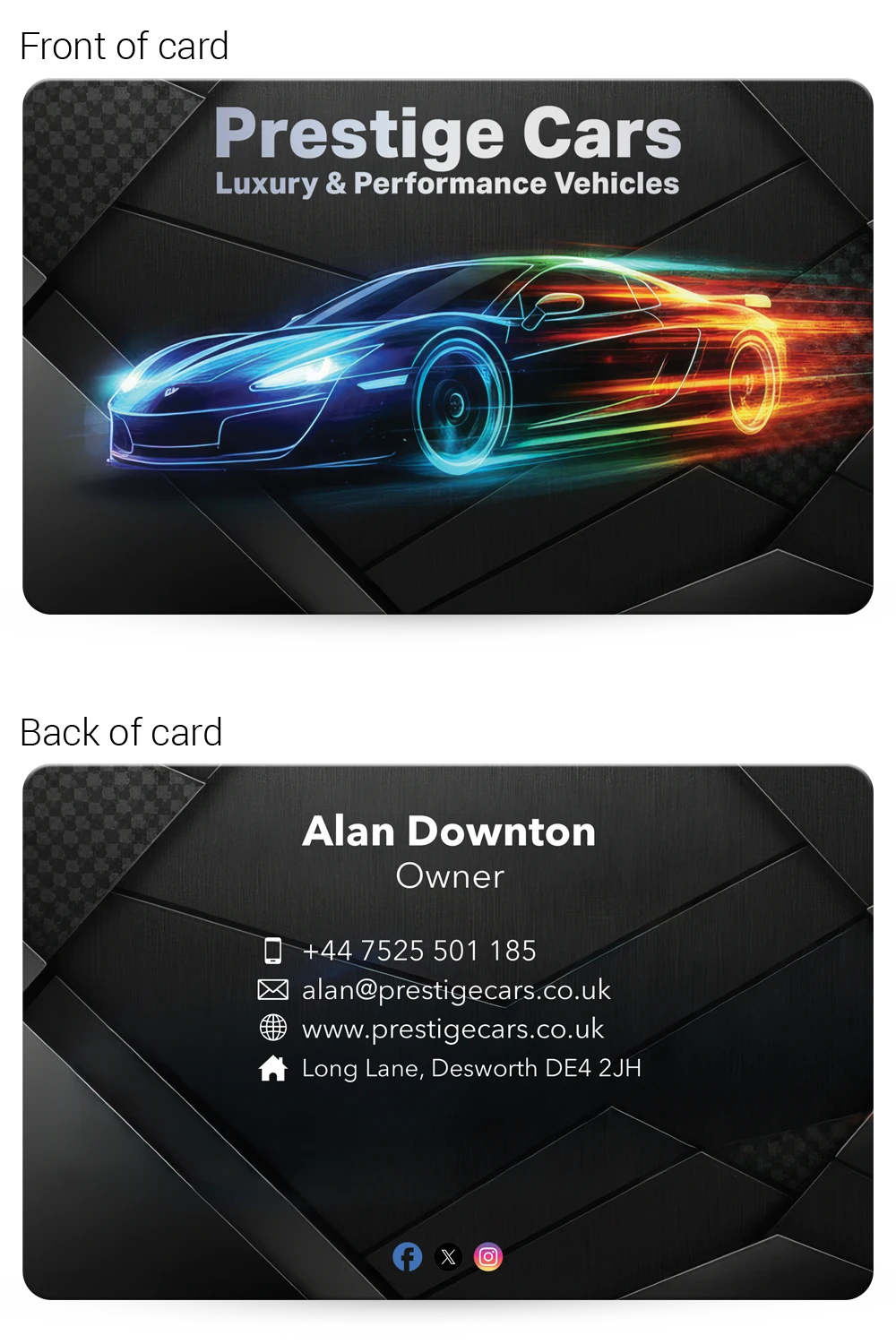
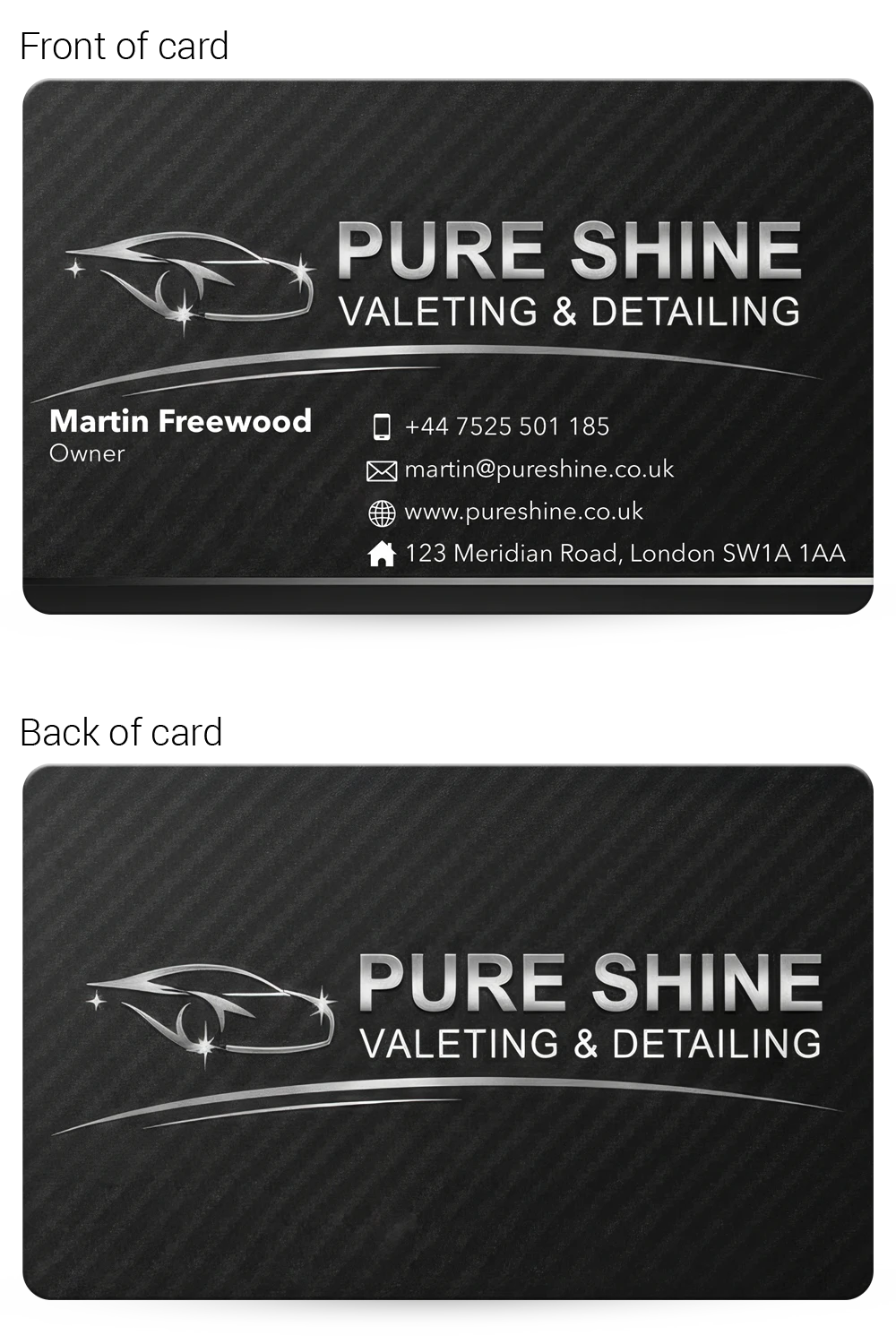
Car Wash, Valeting & Detailing
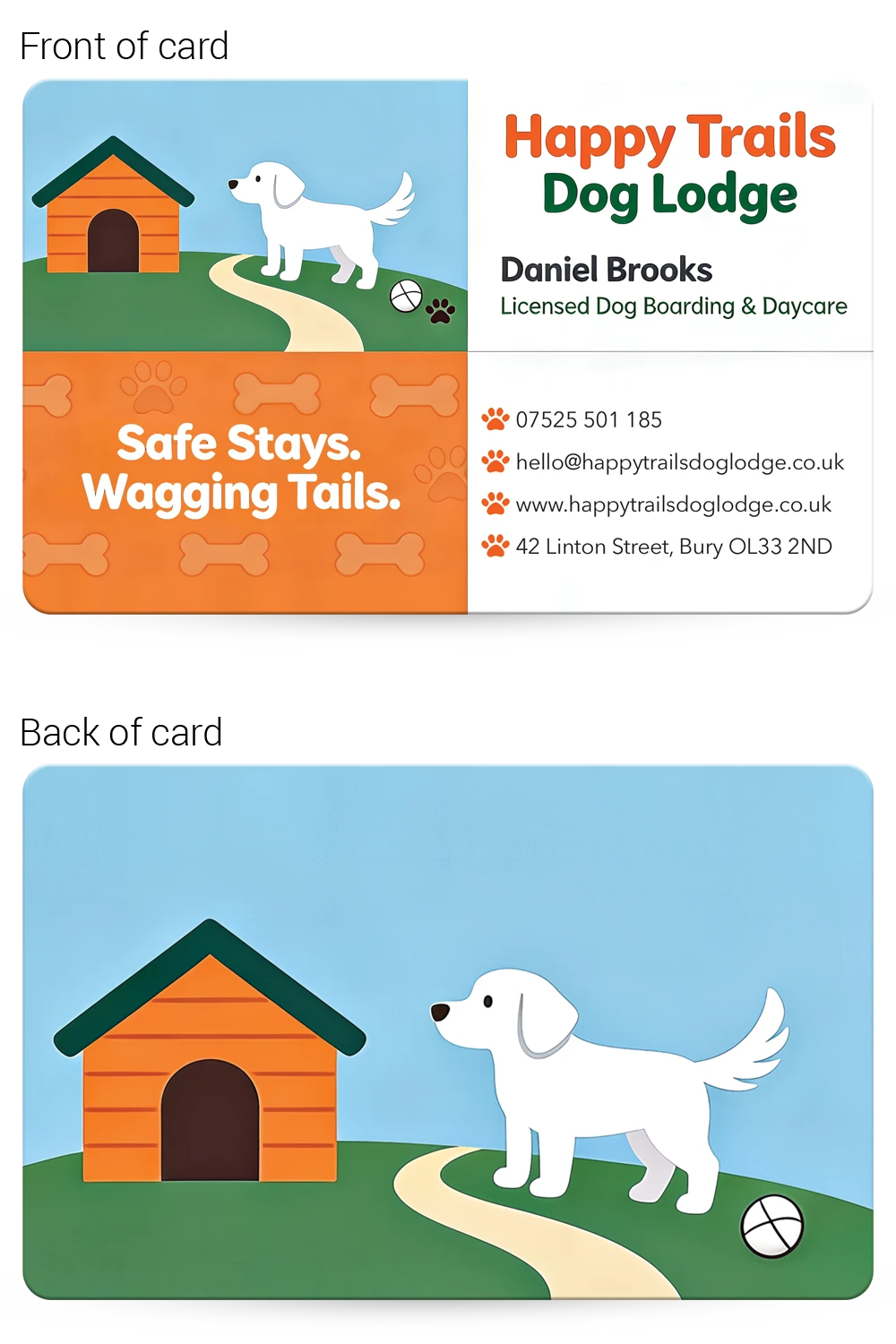
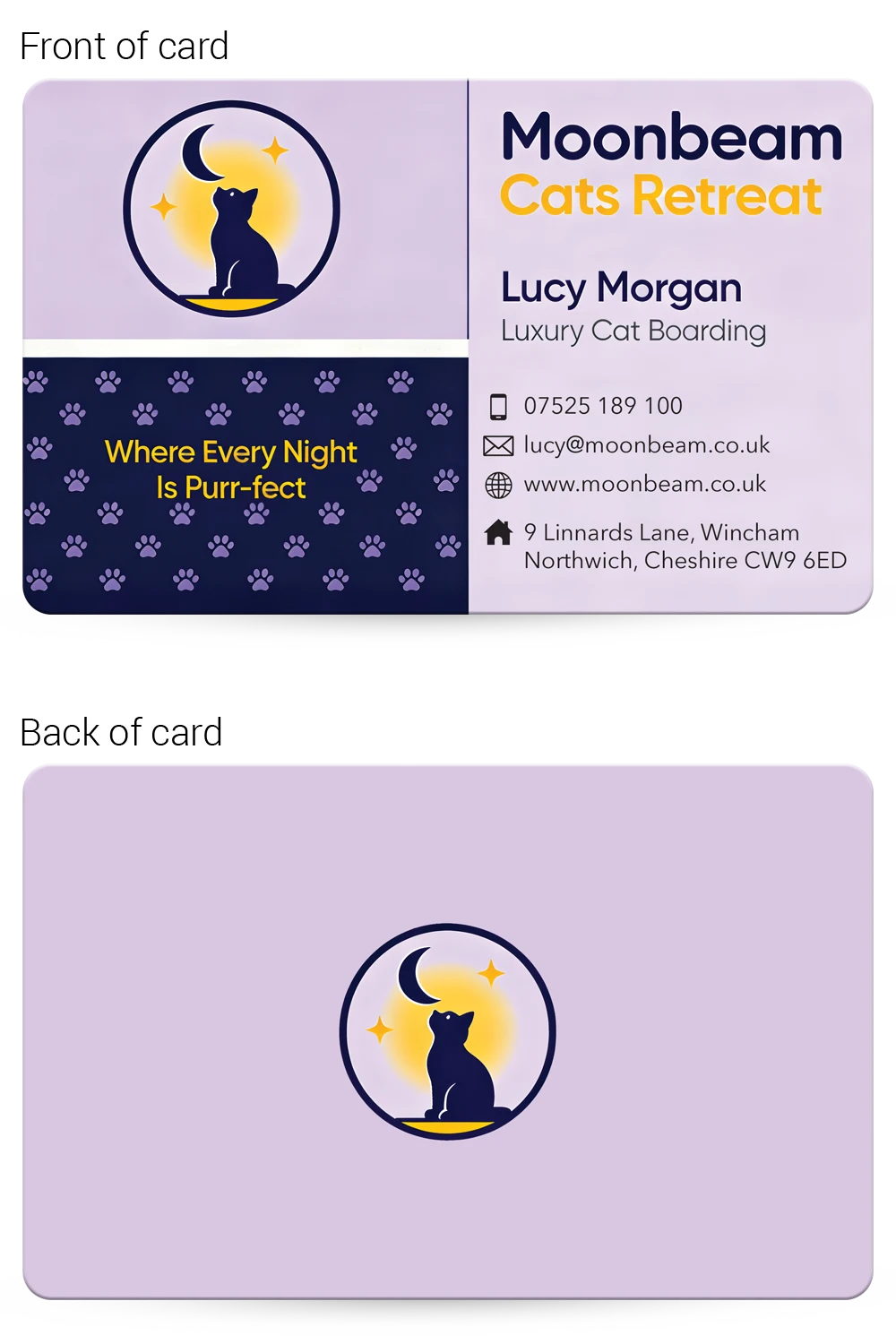
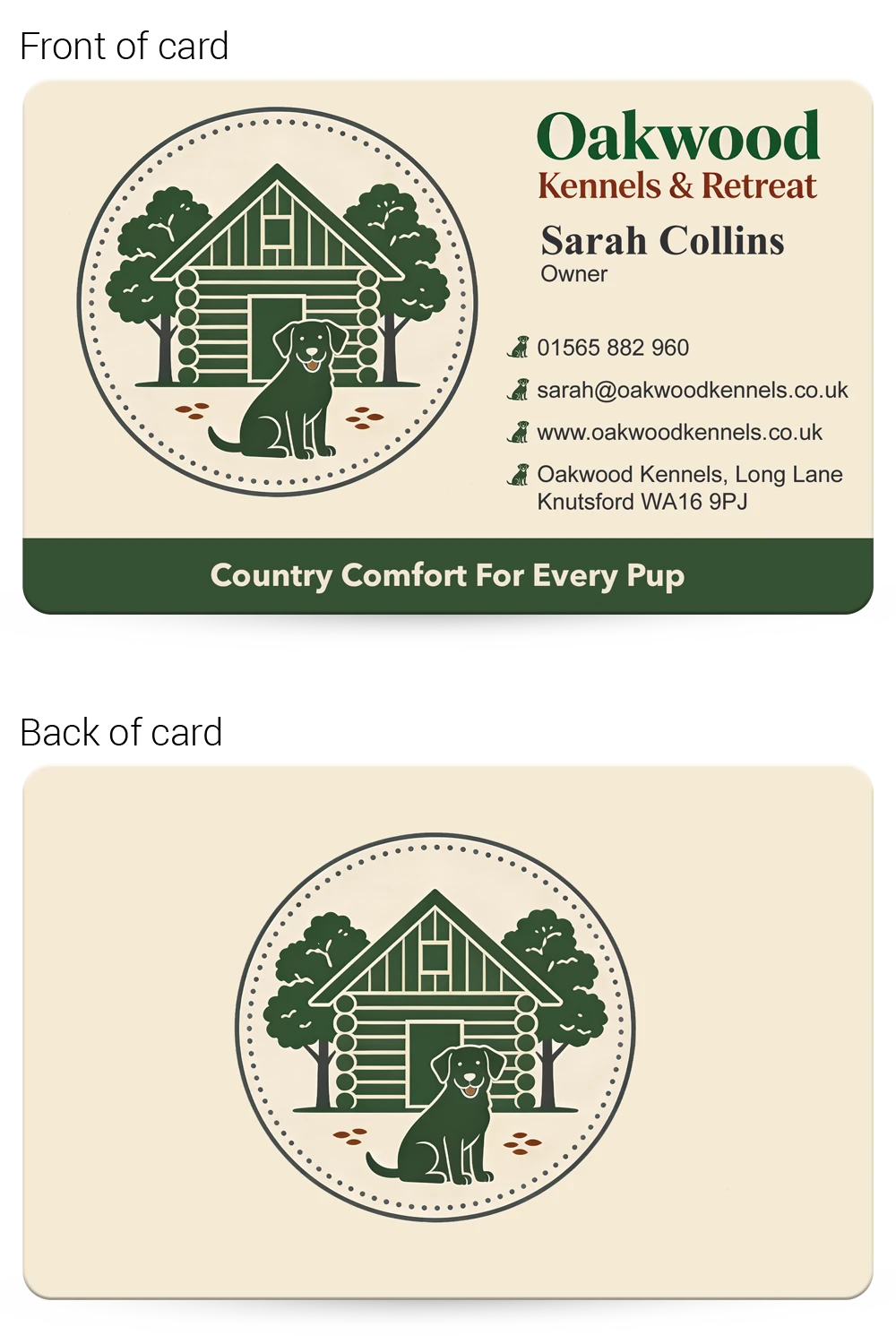
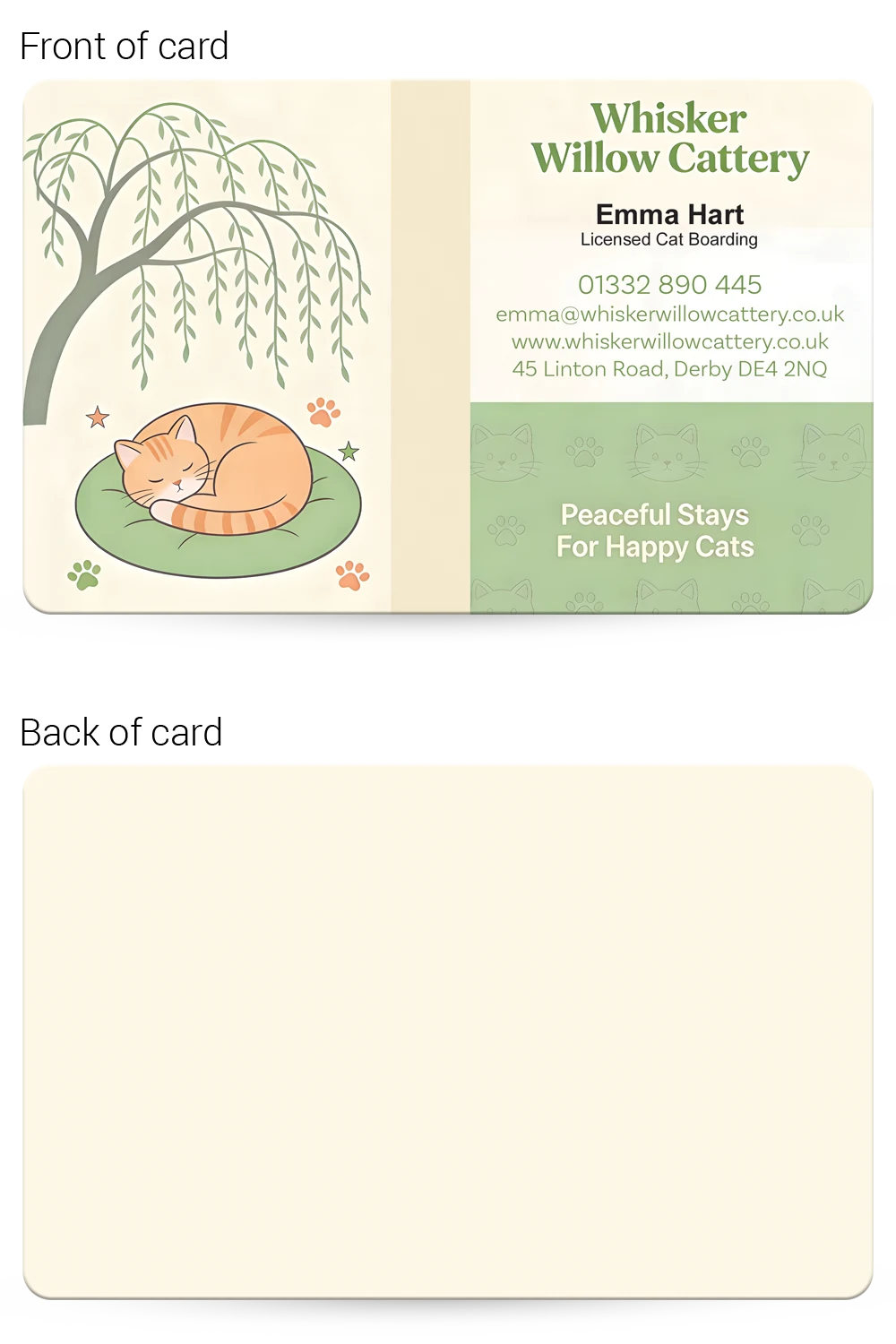
Cattery & Kennels
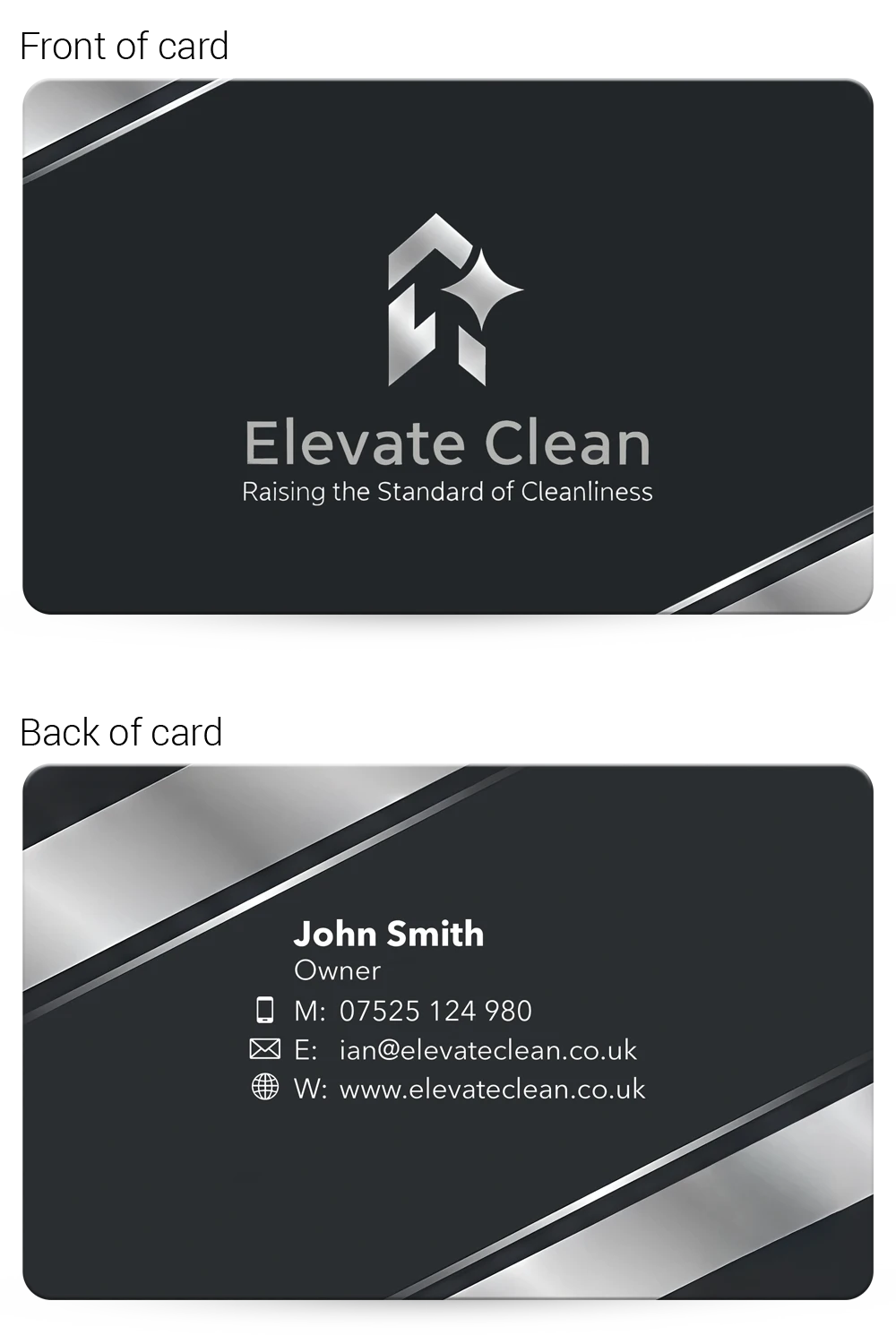
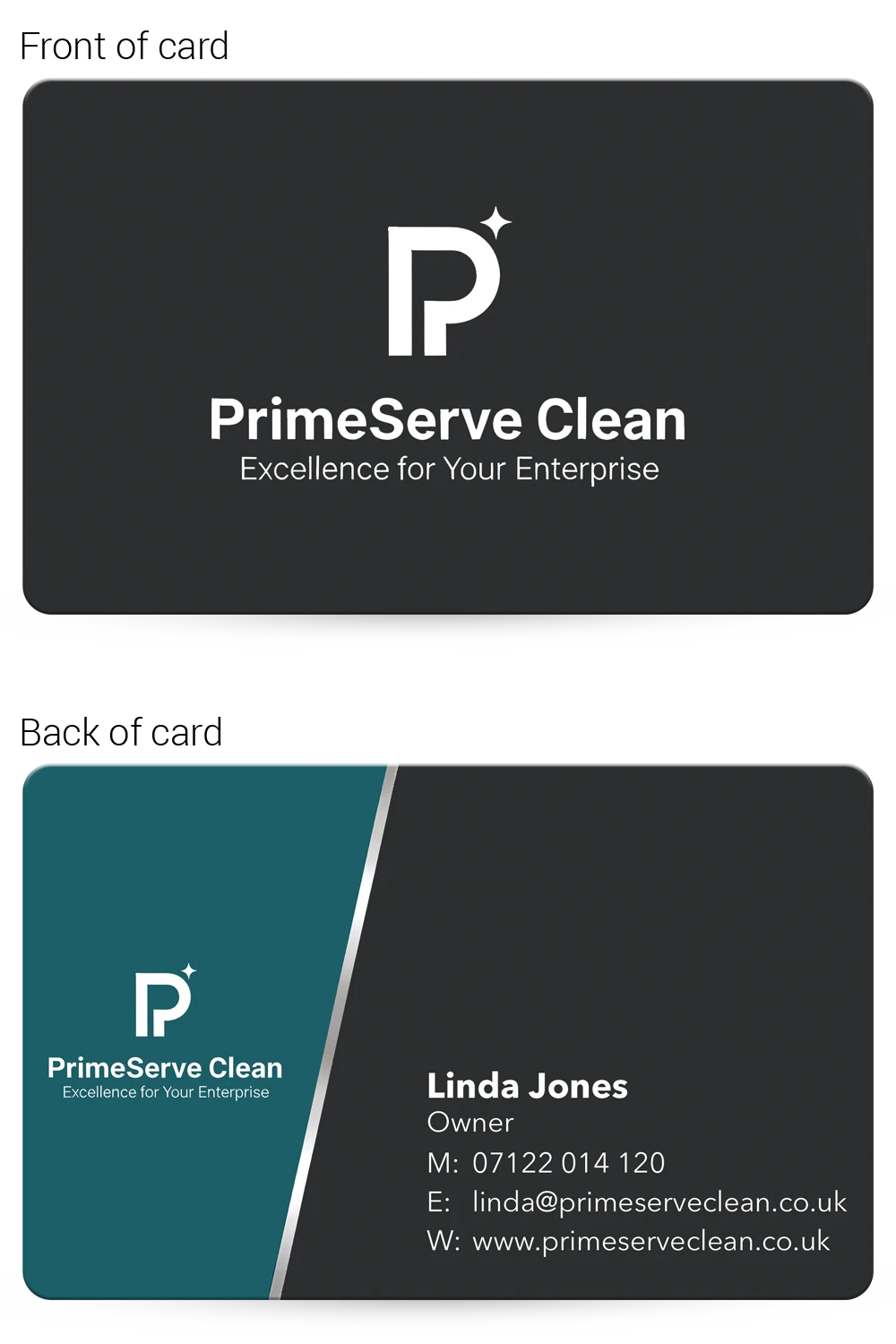
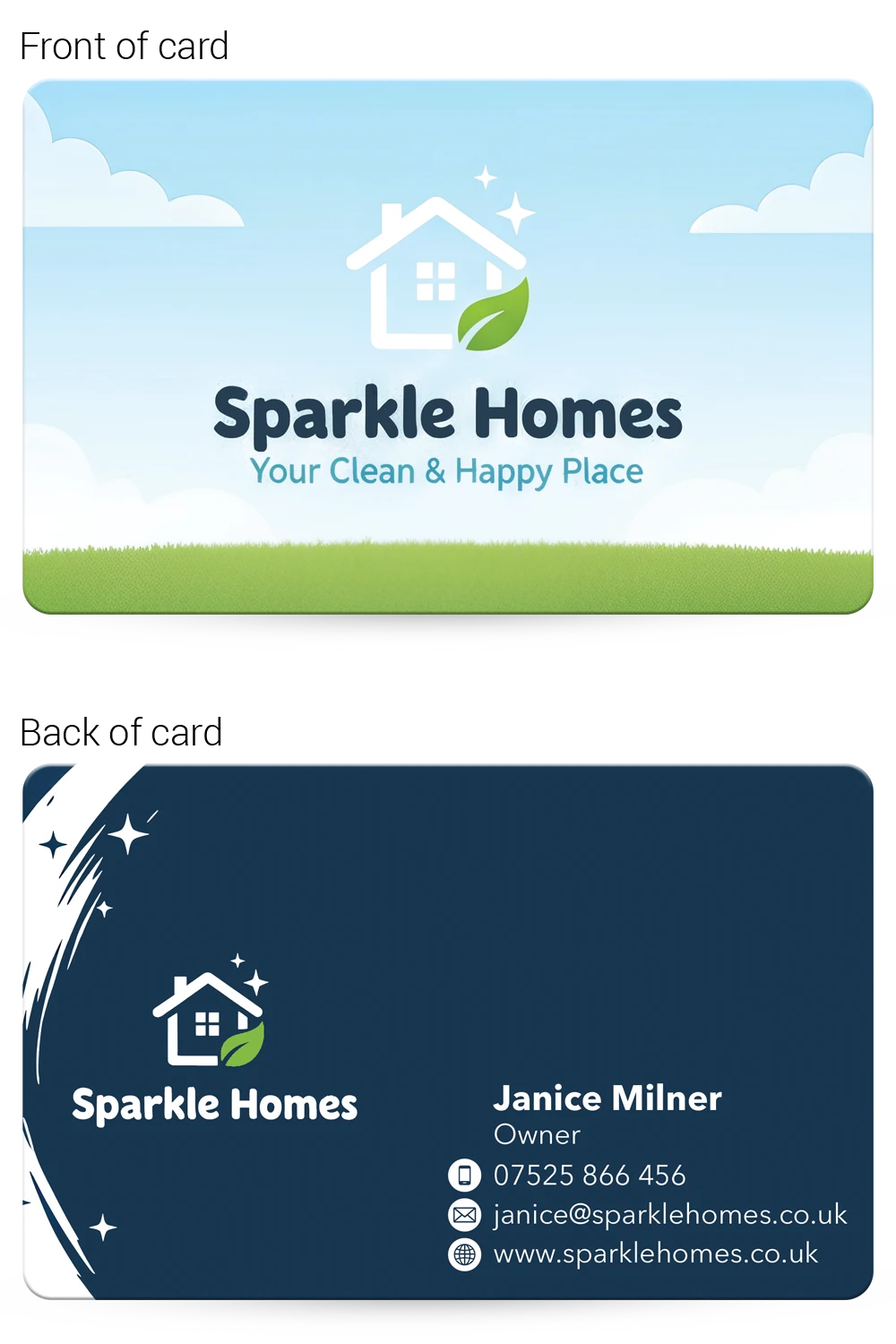
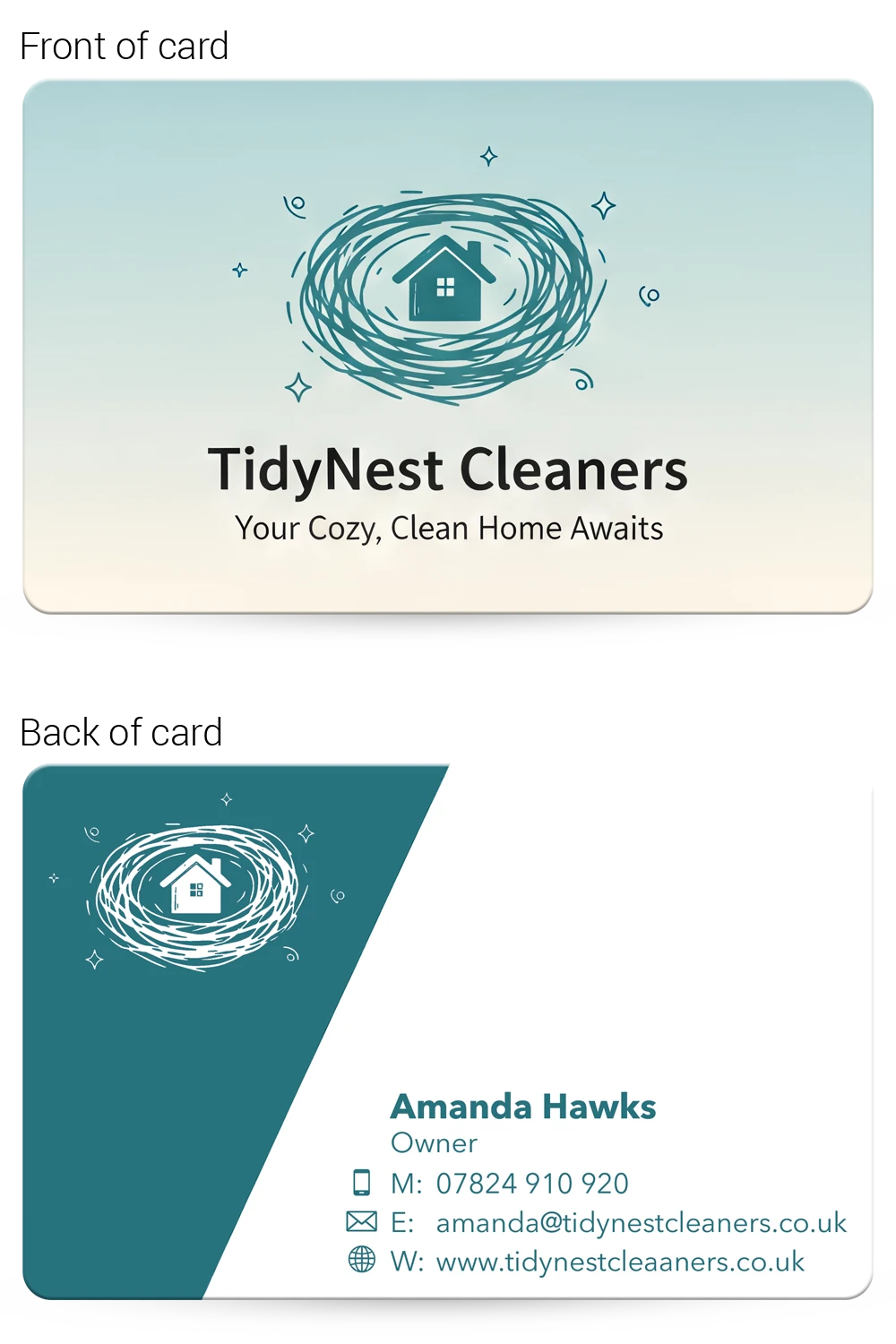
Cleaning Companies
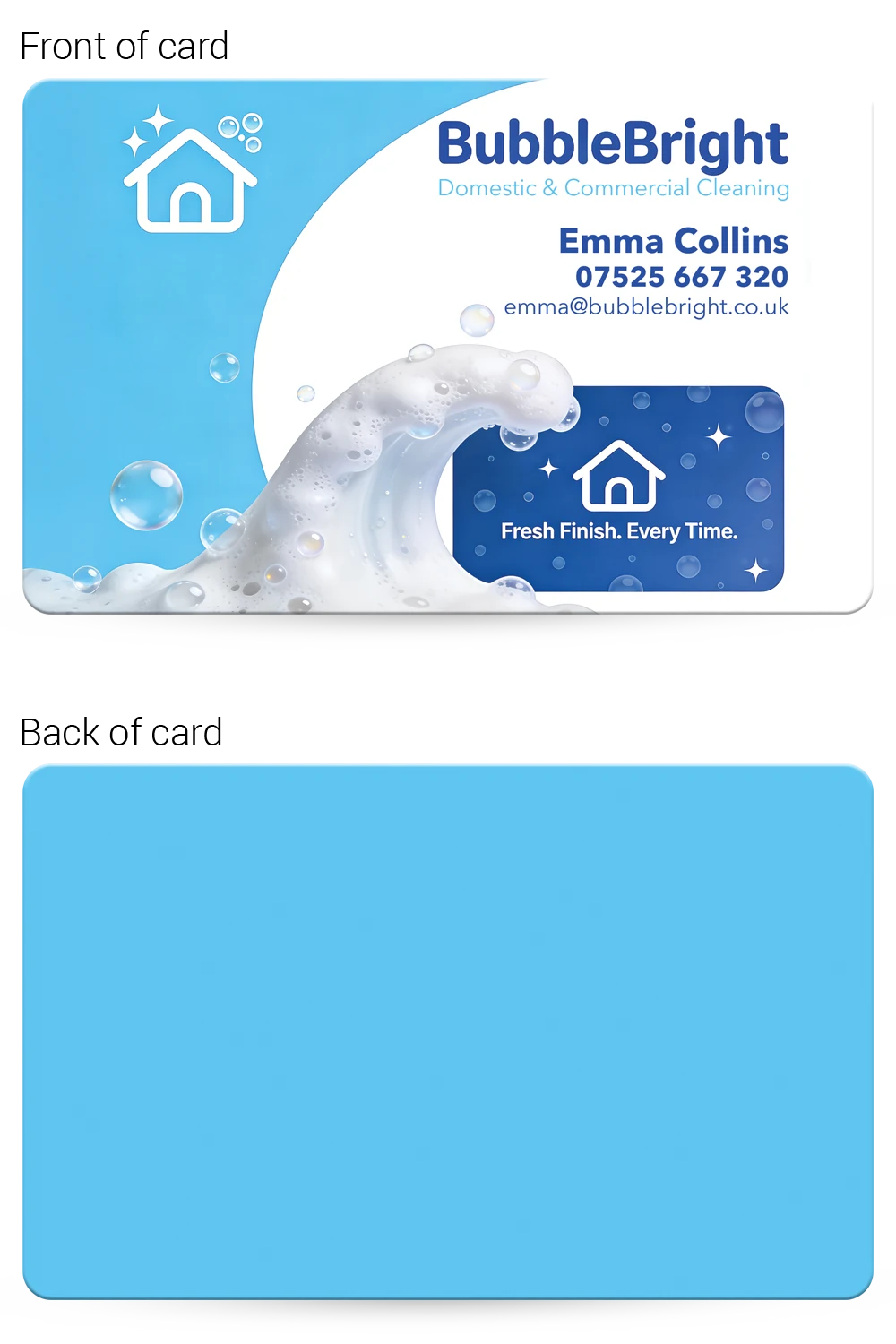
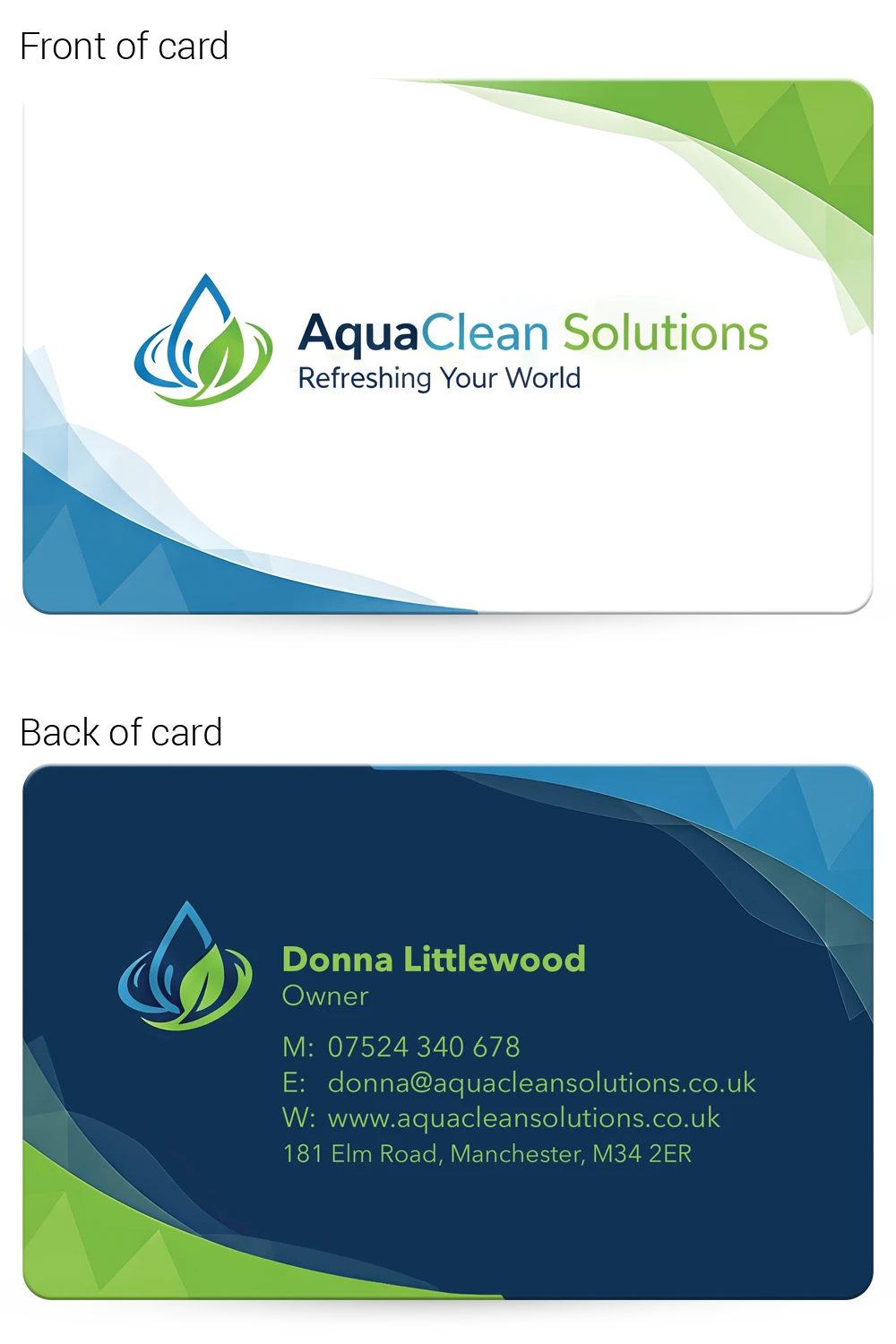
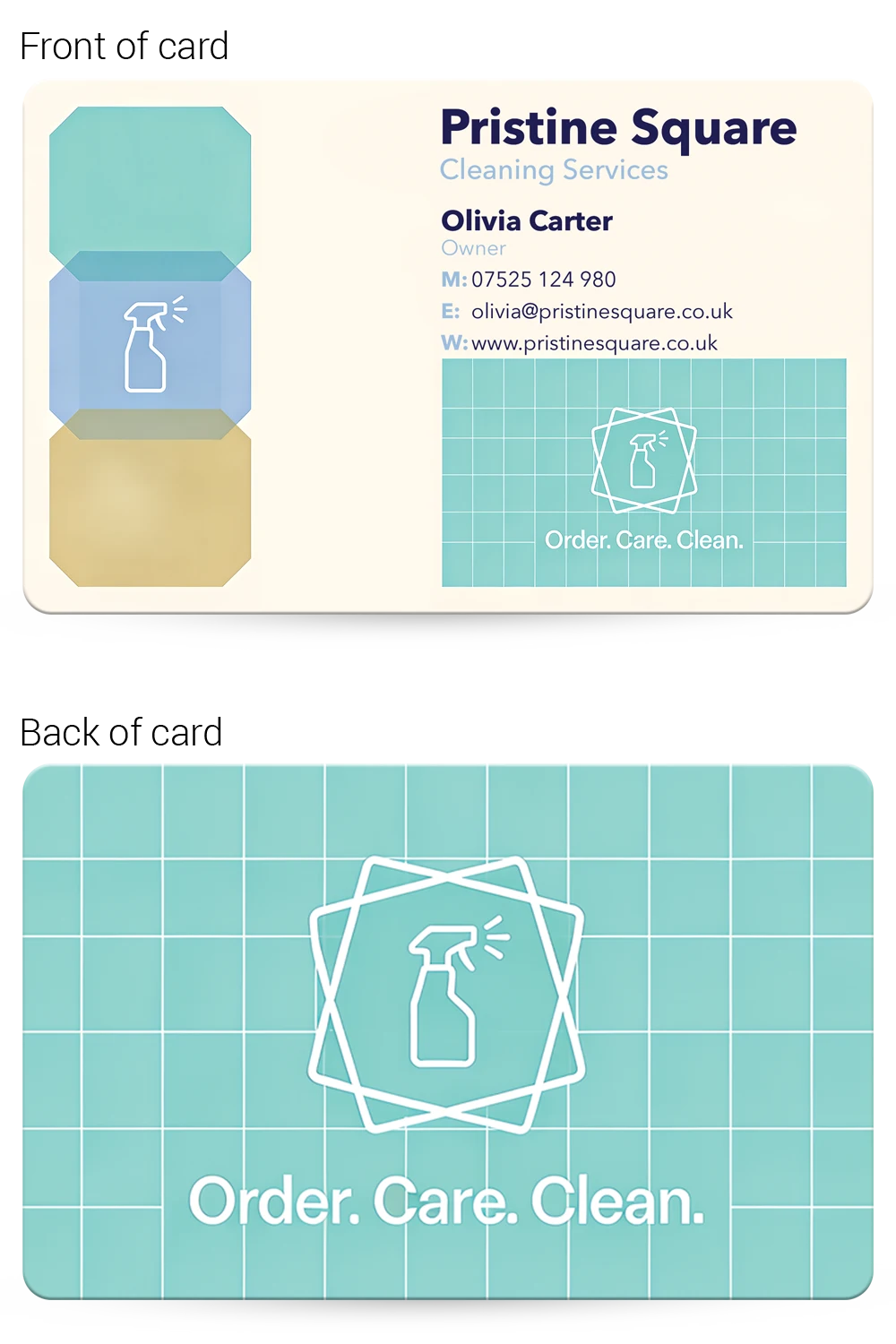
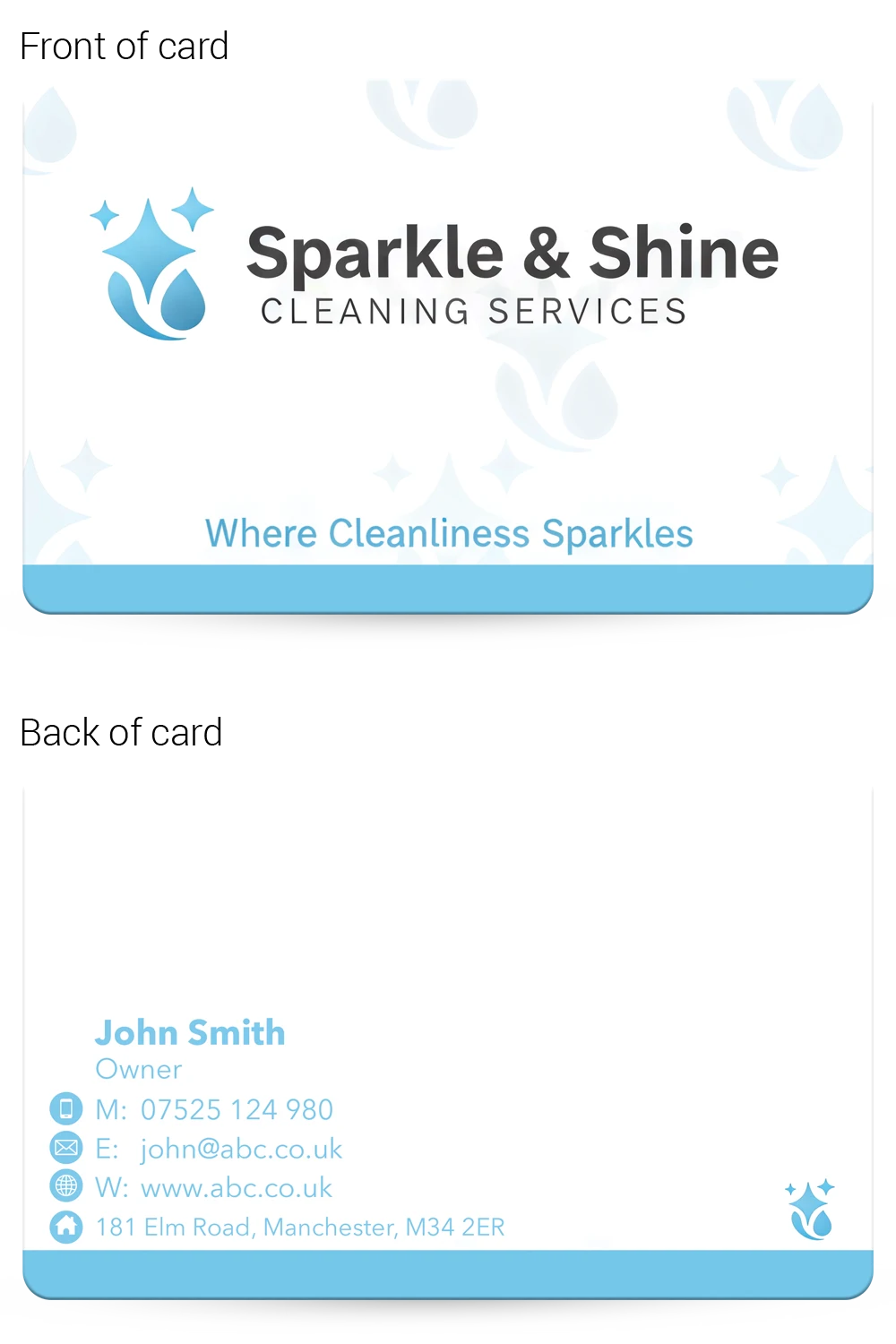

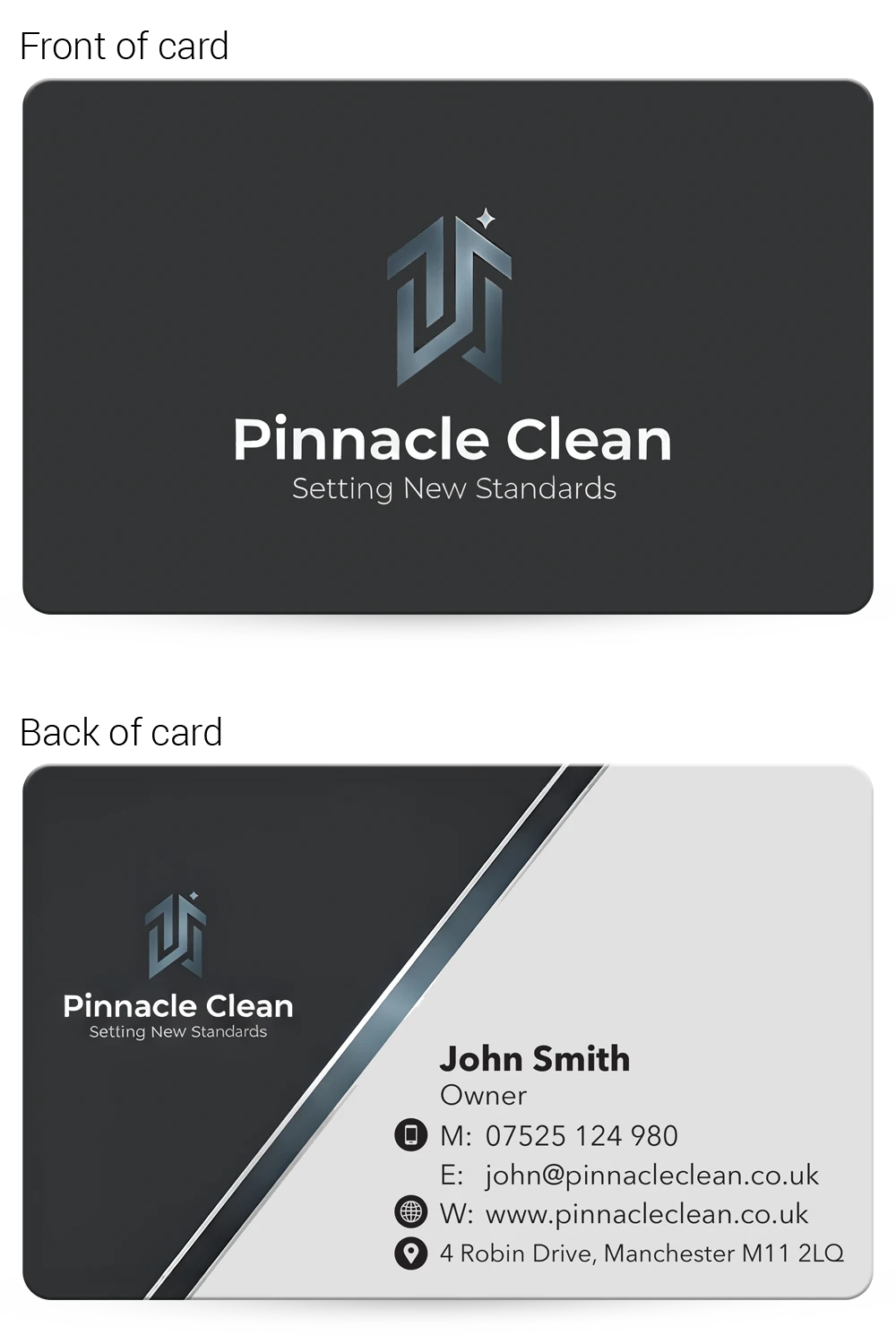
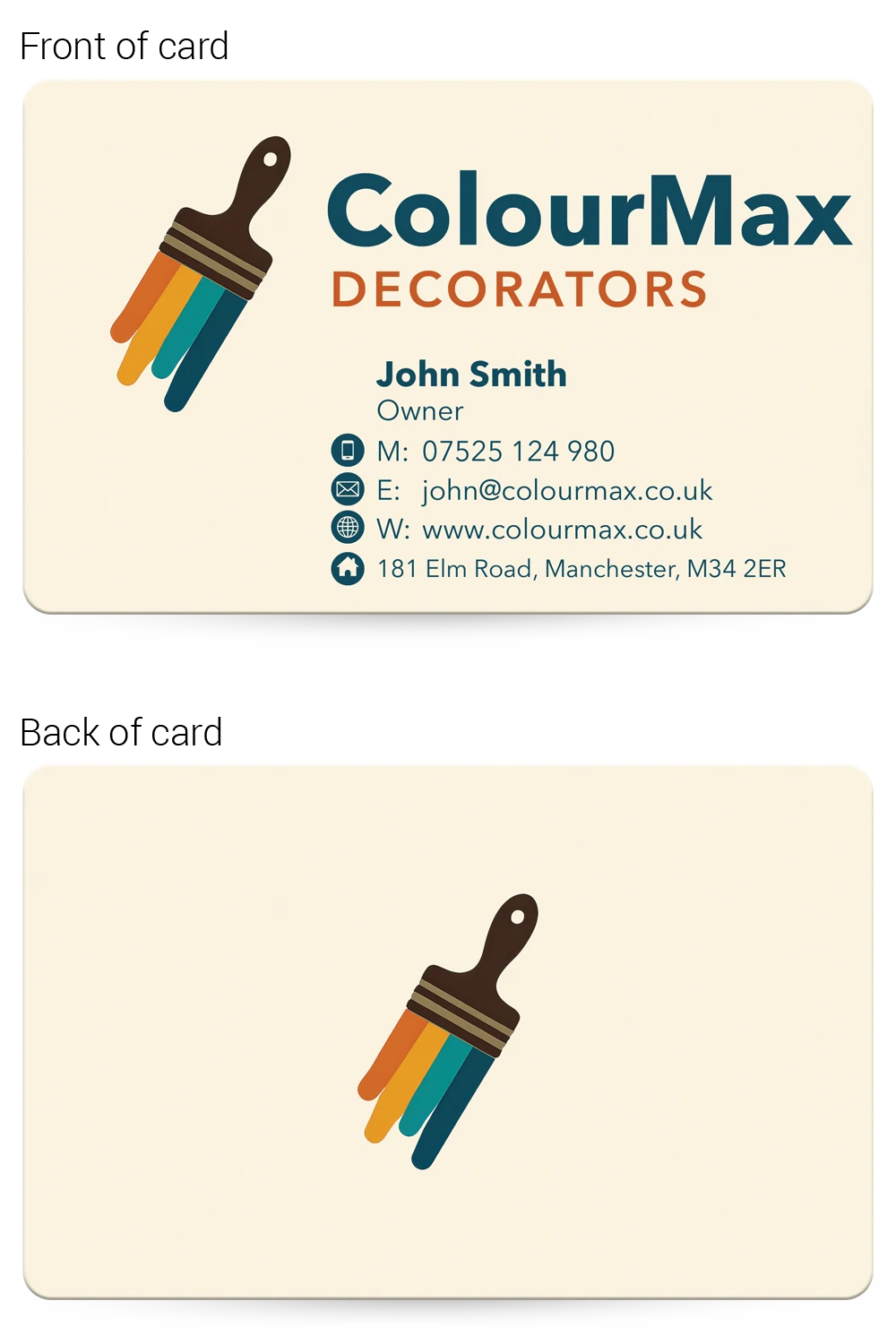
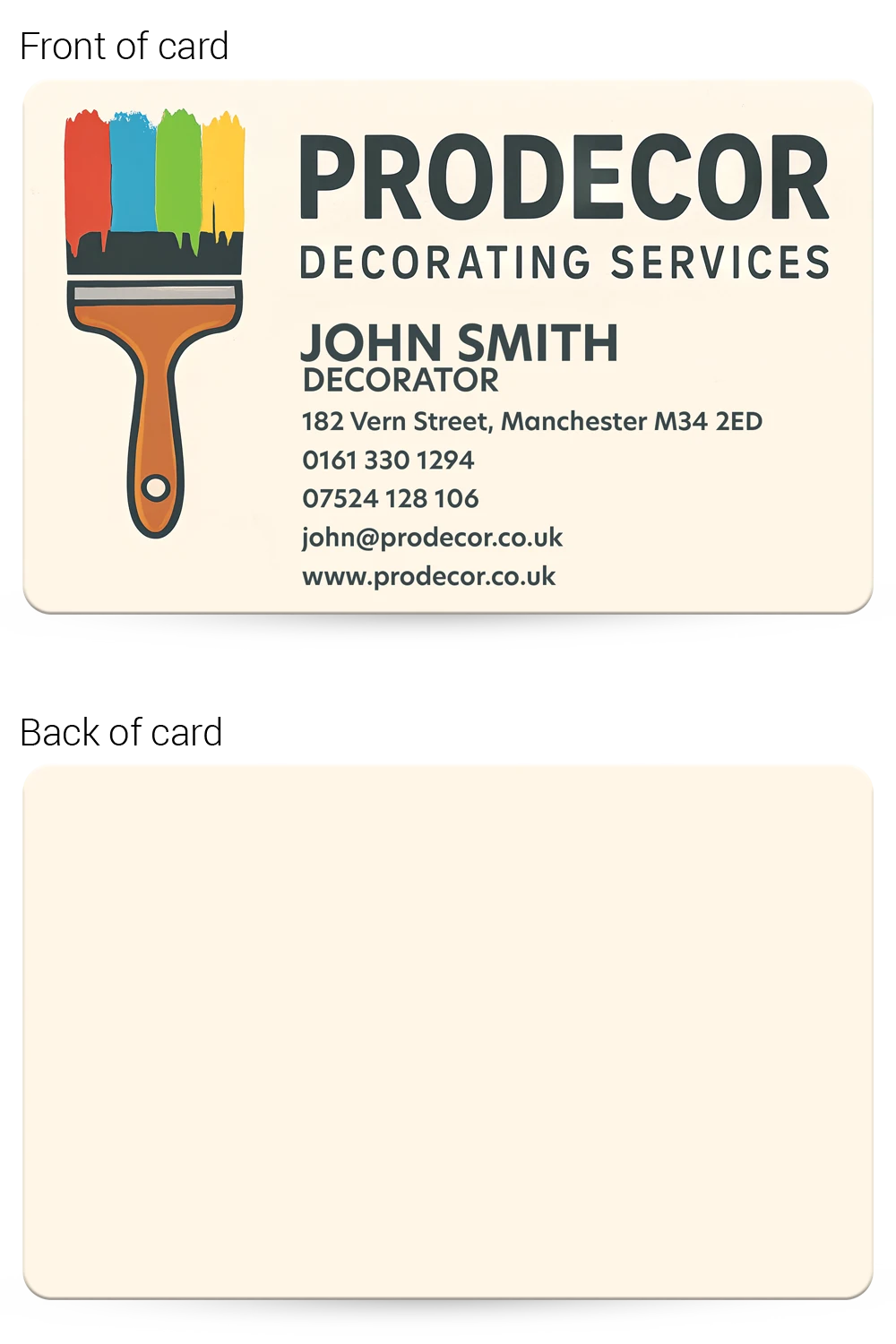
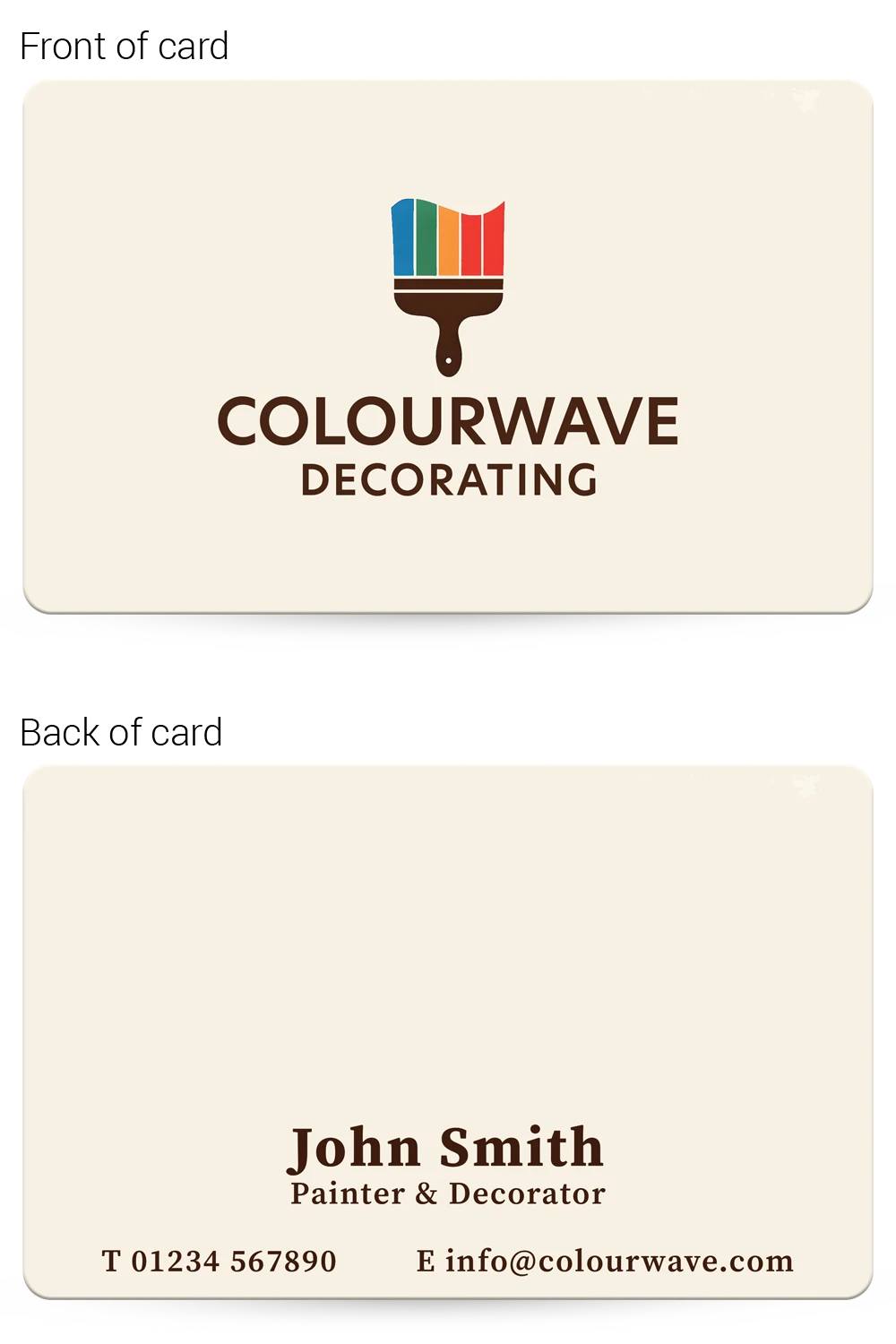
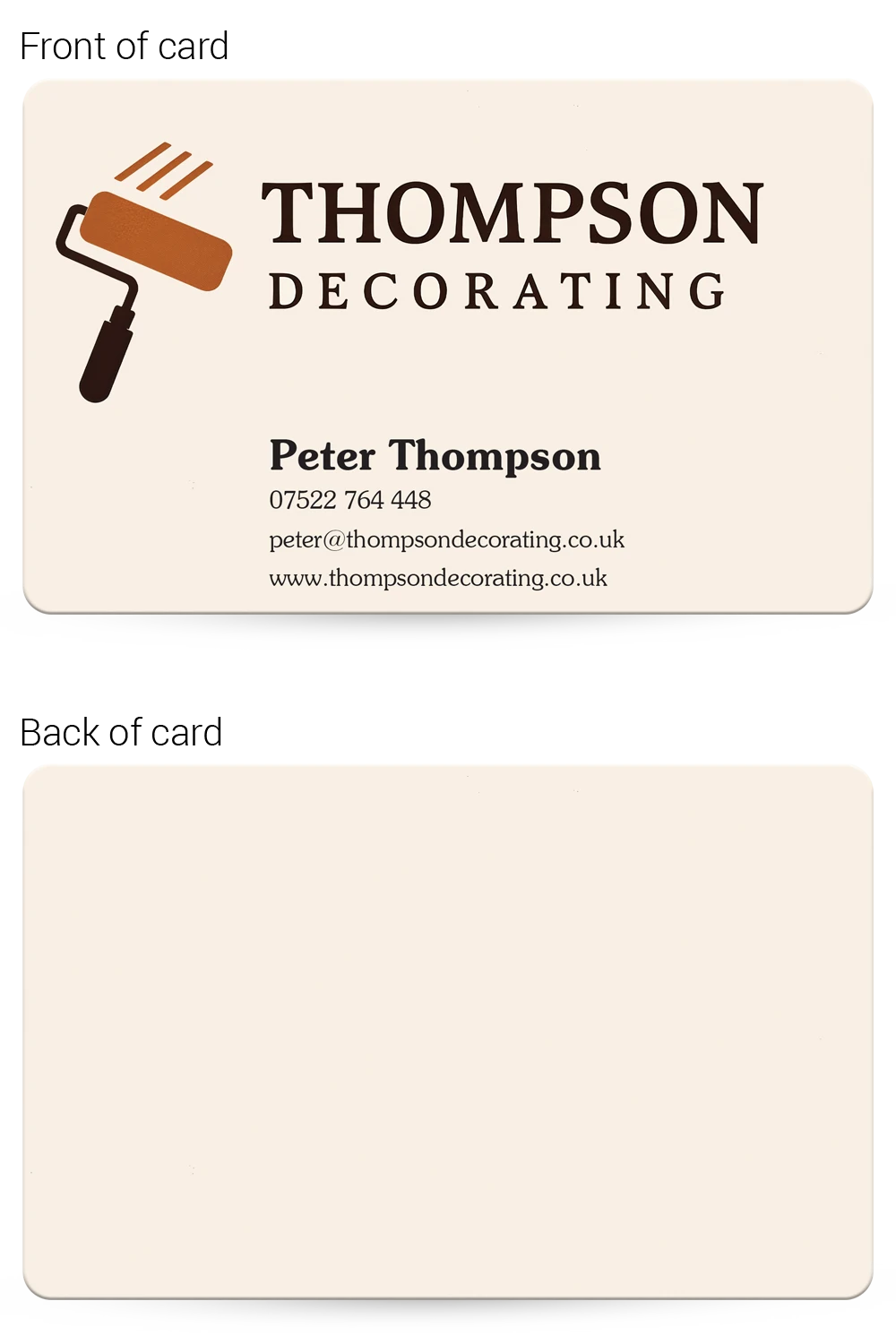
Decorators
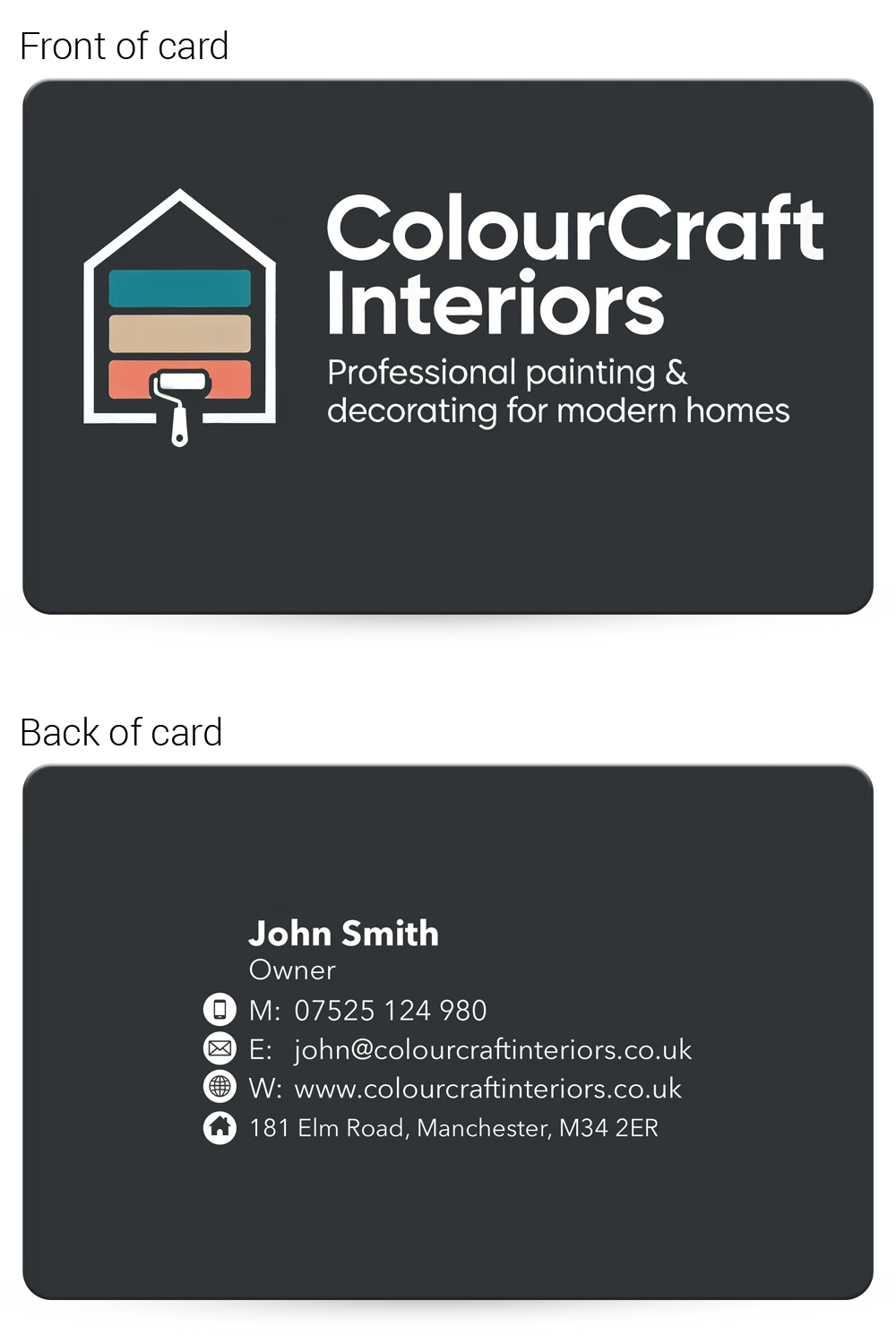
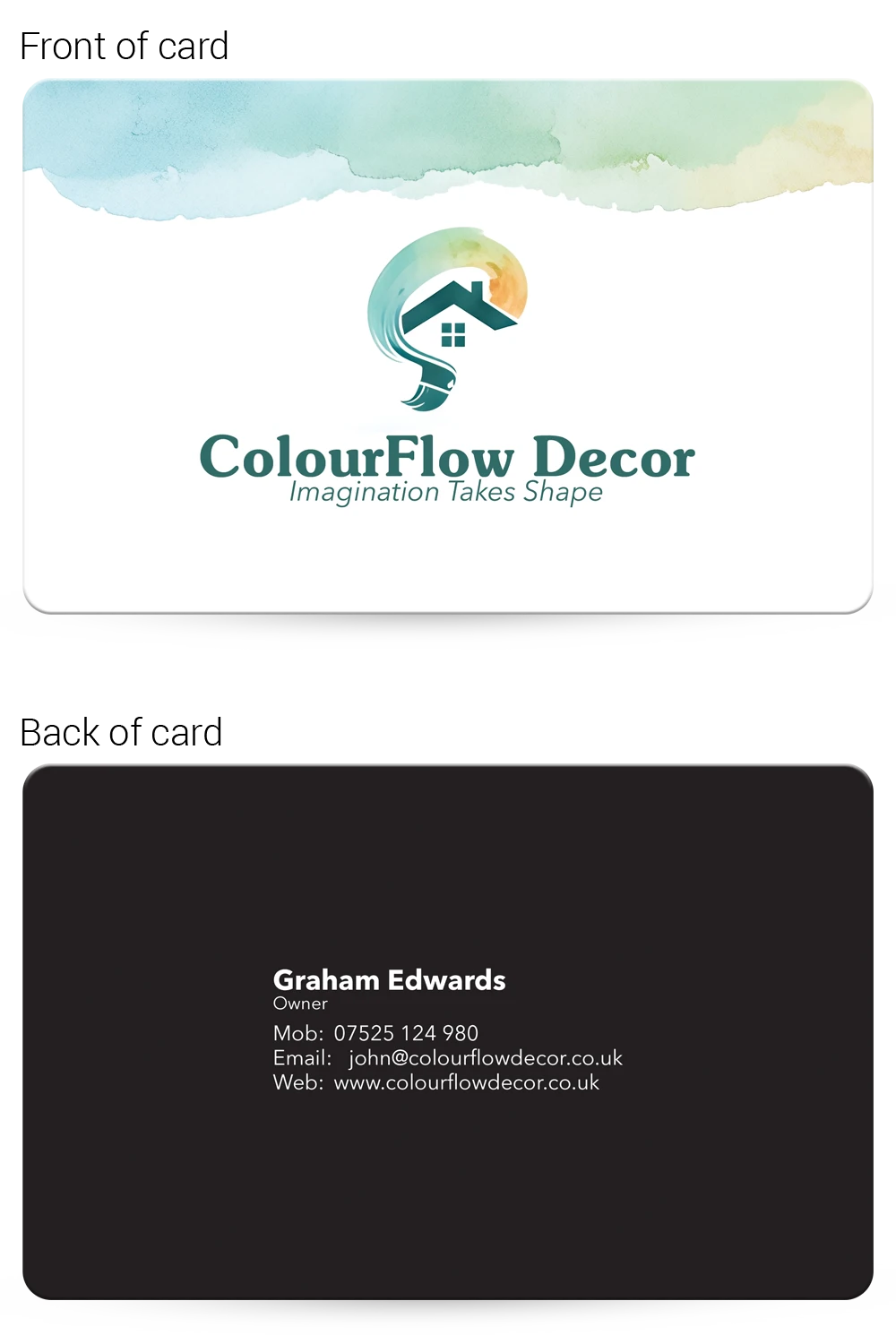
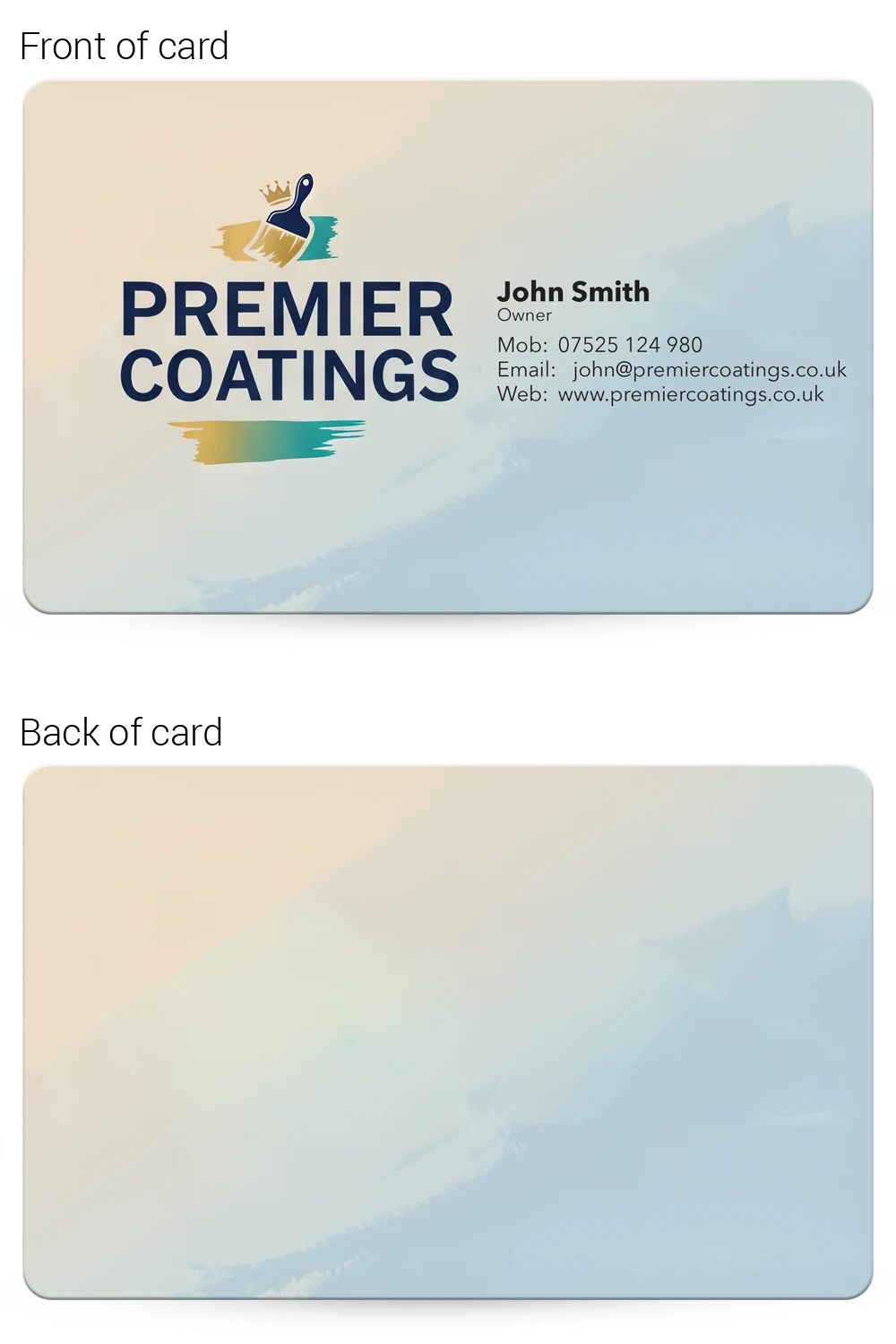
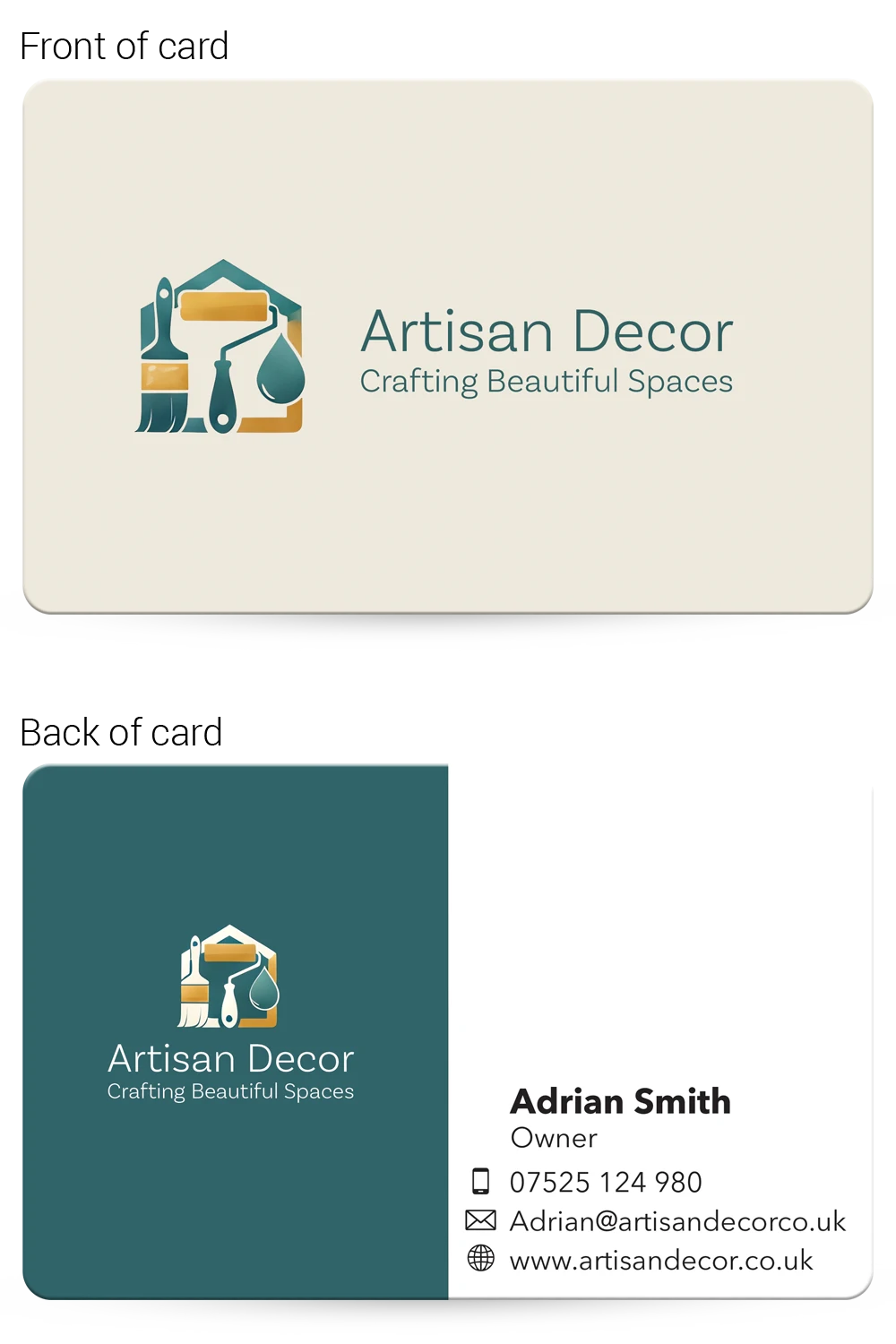

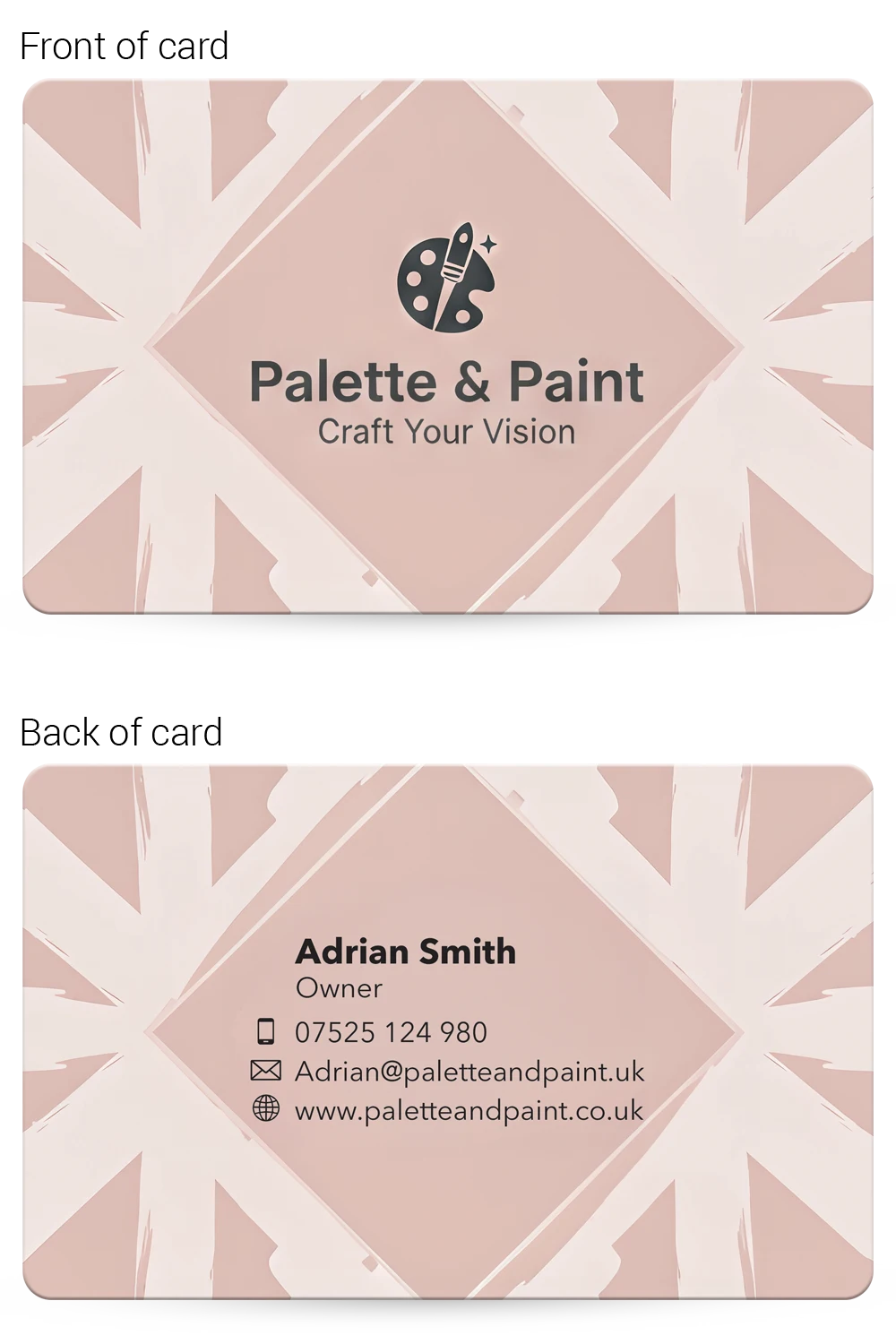
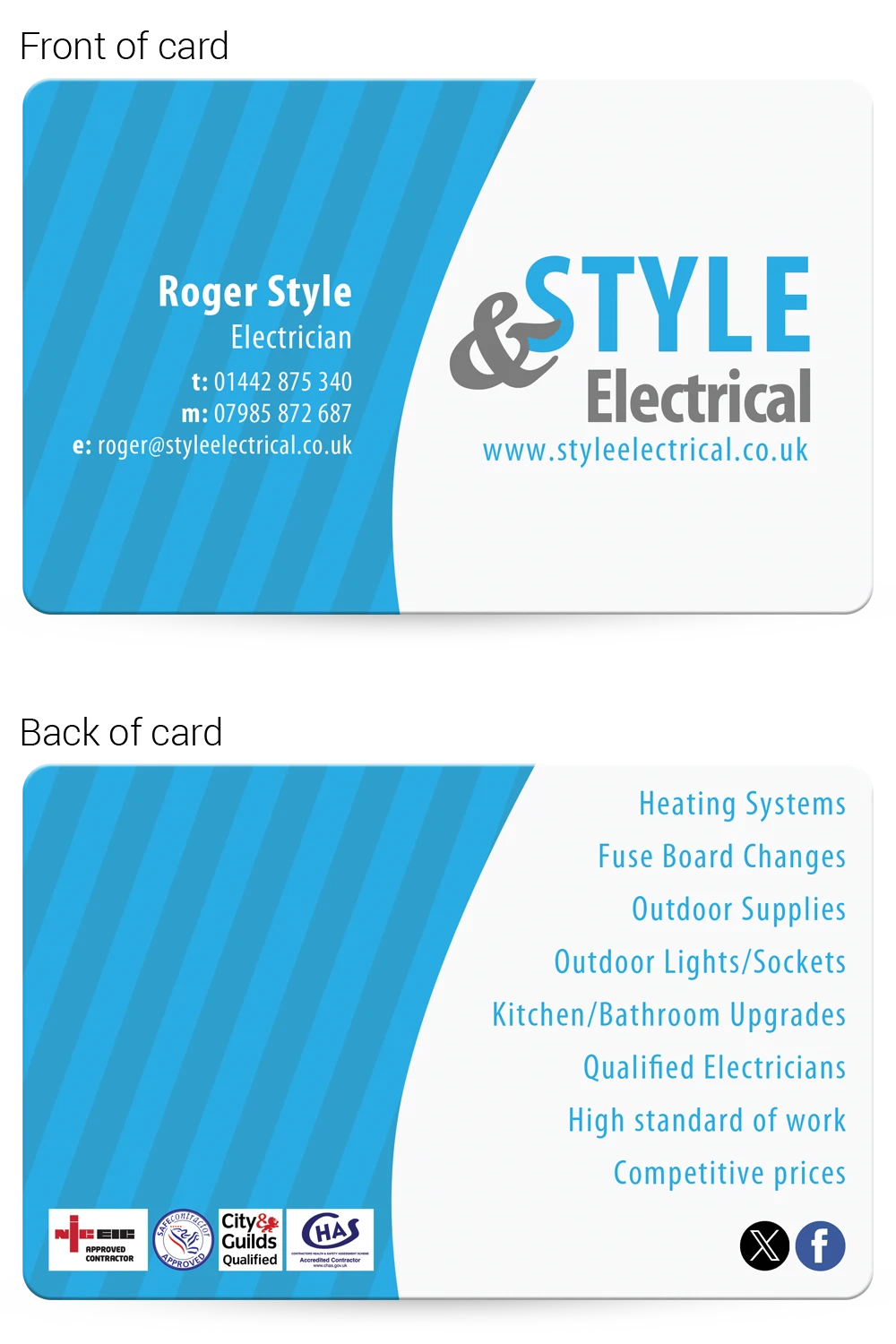
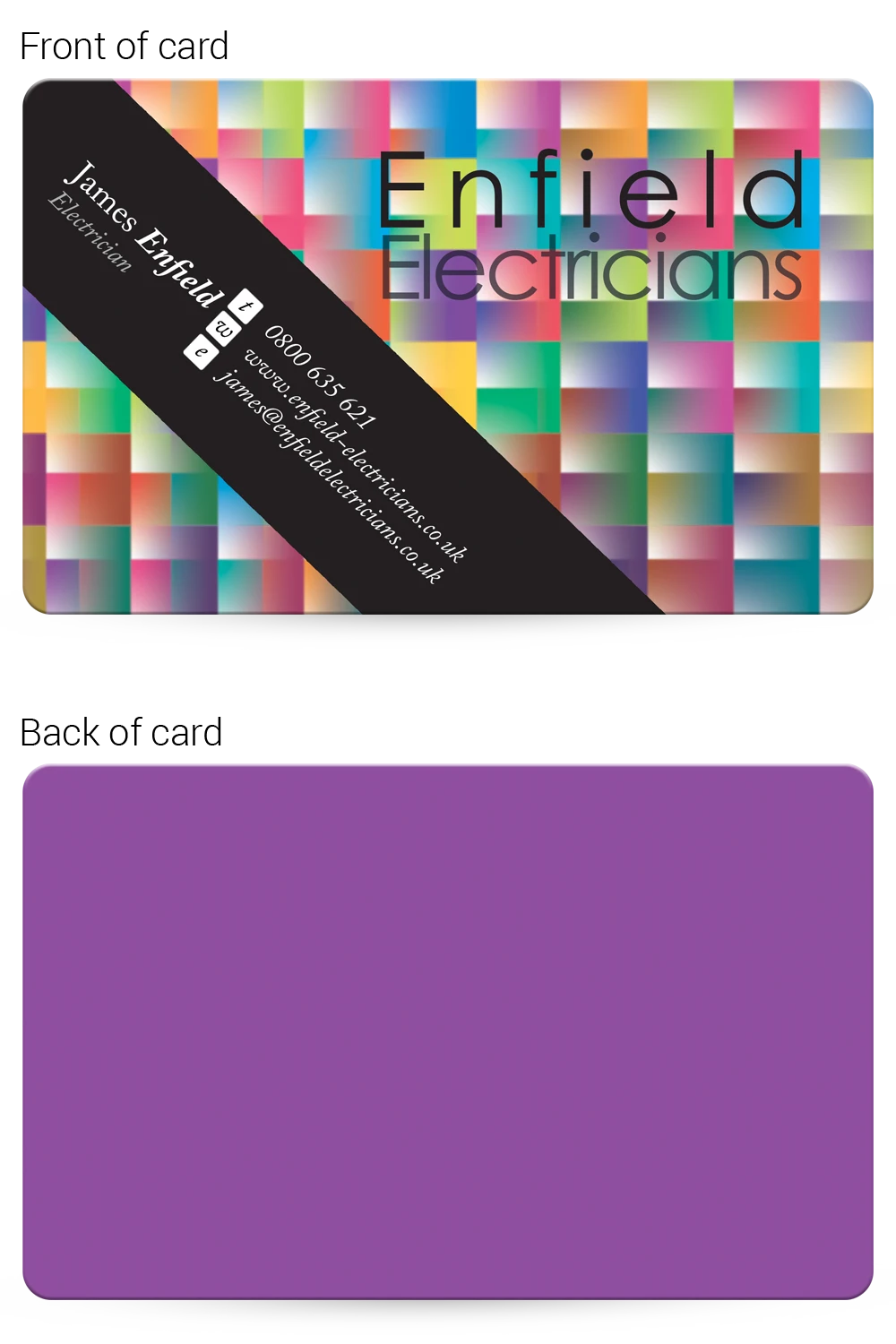
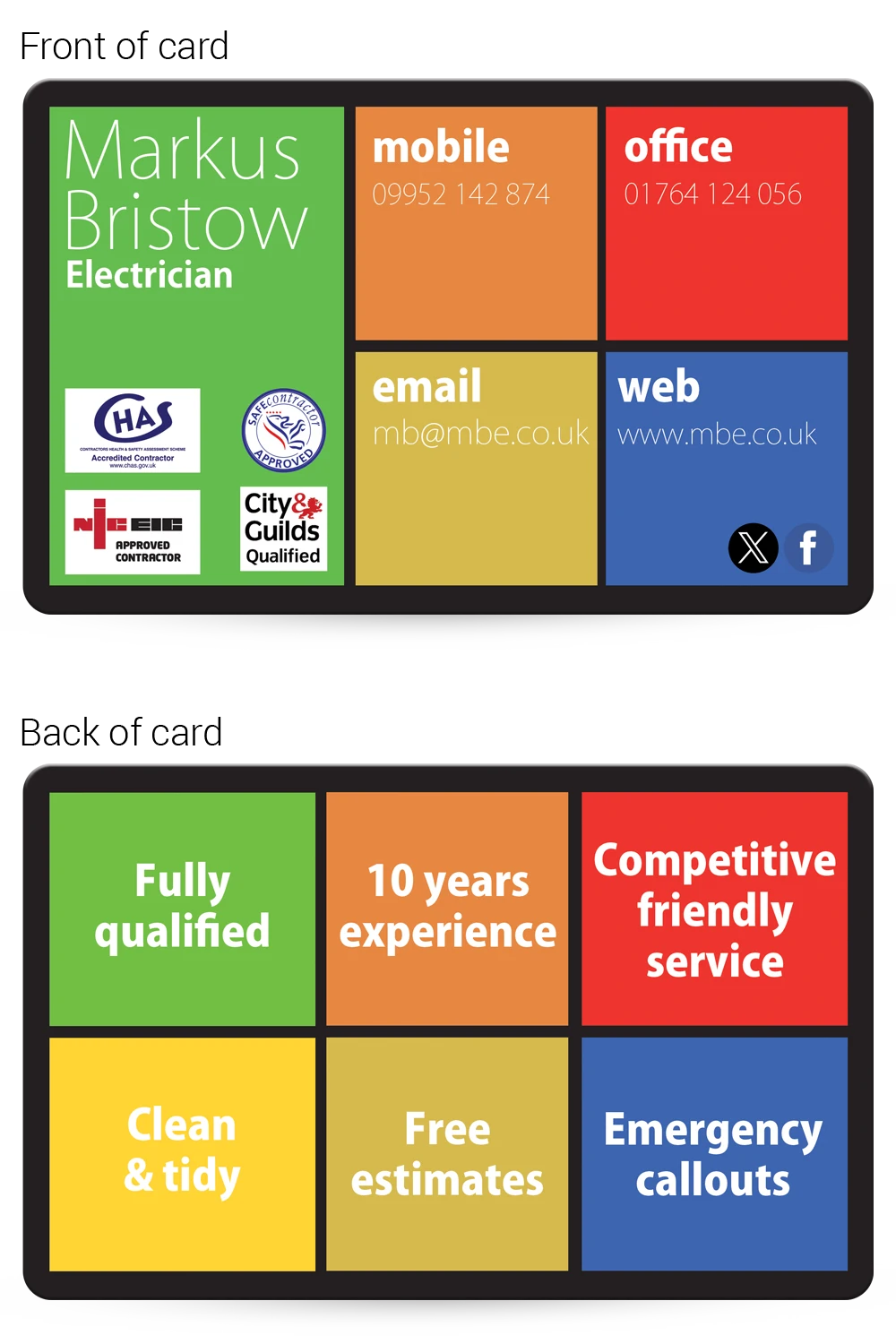
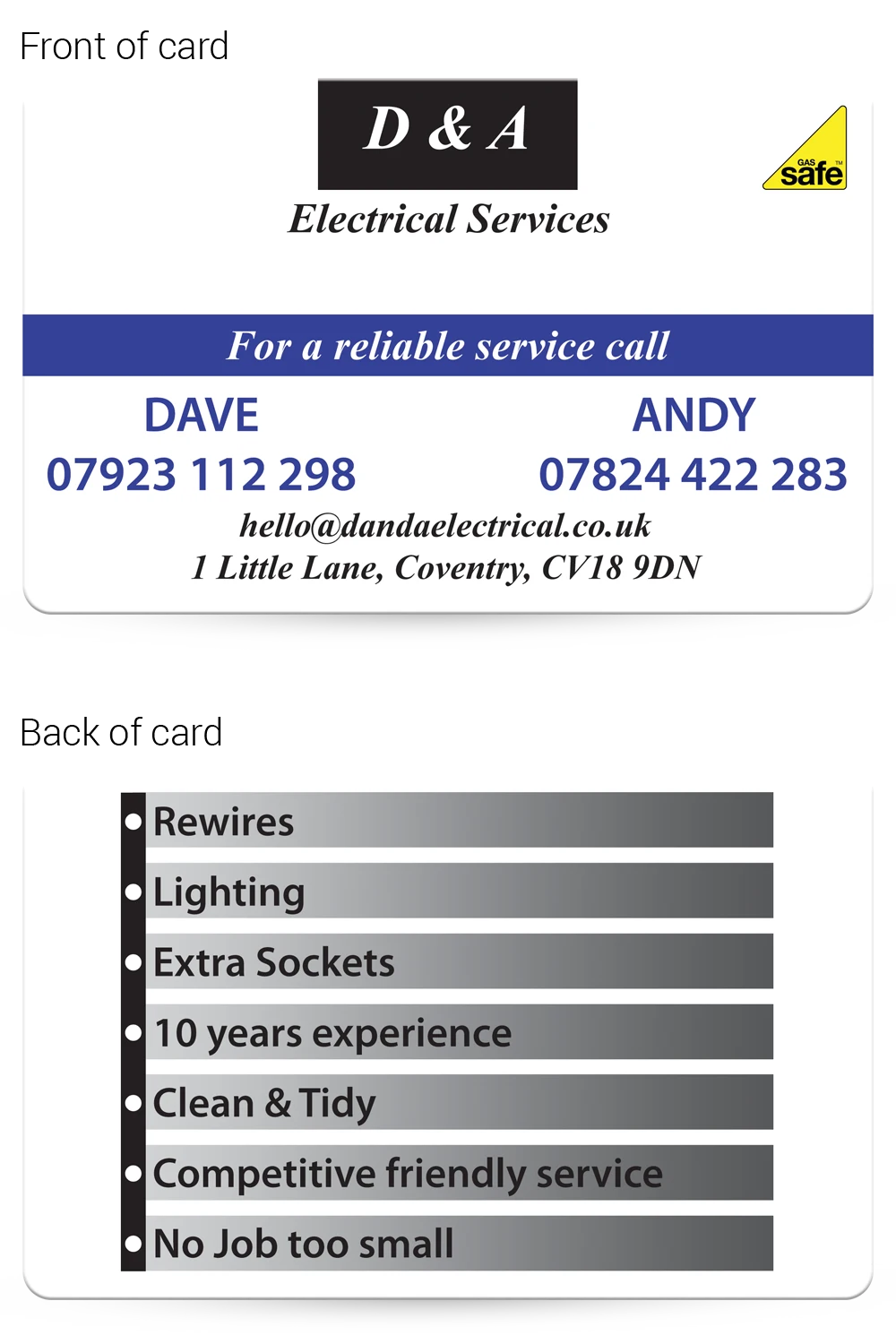
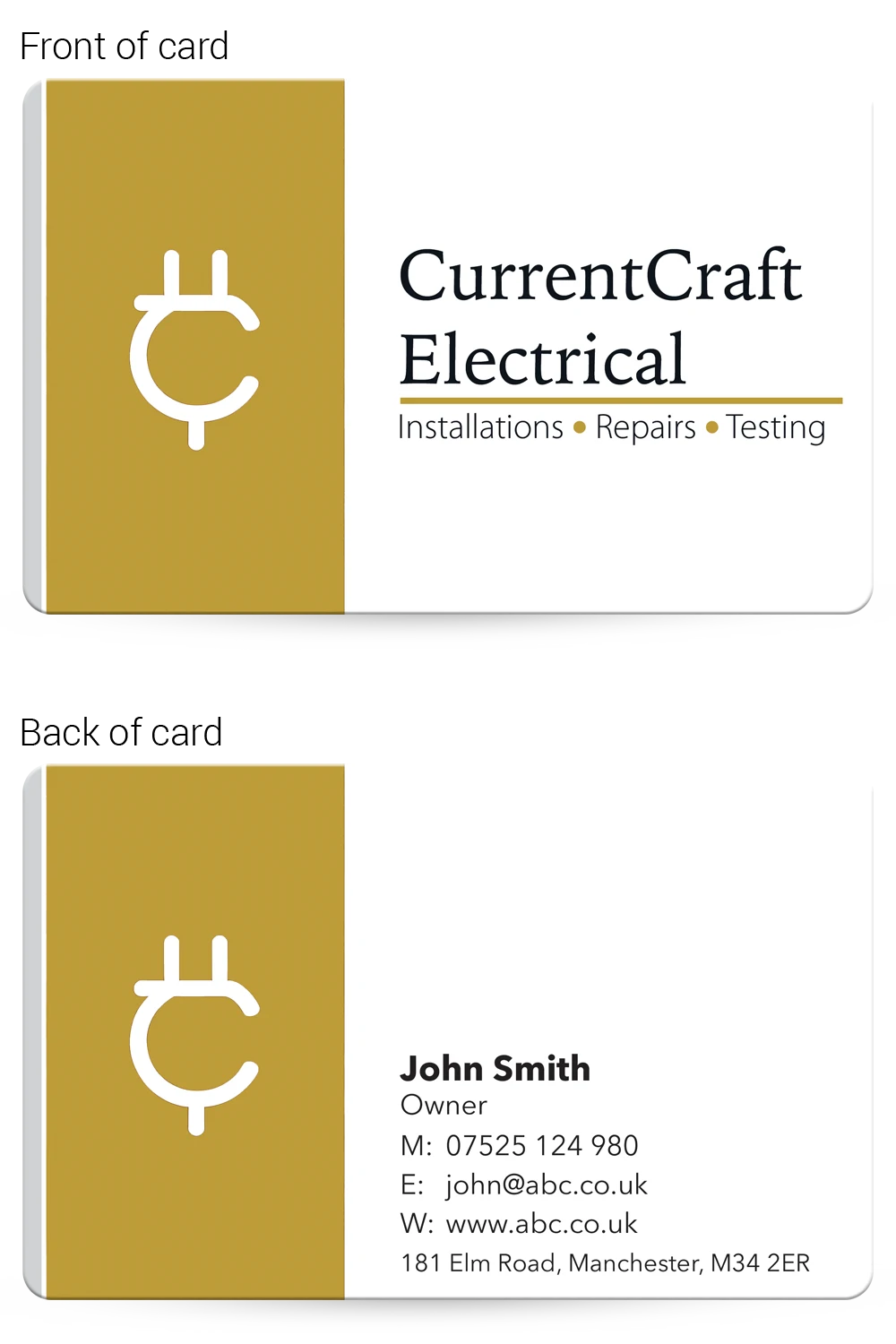
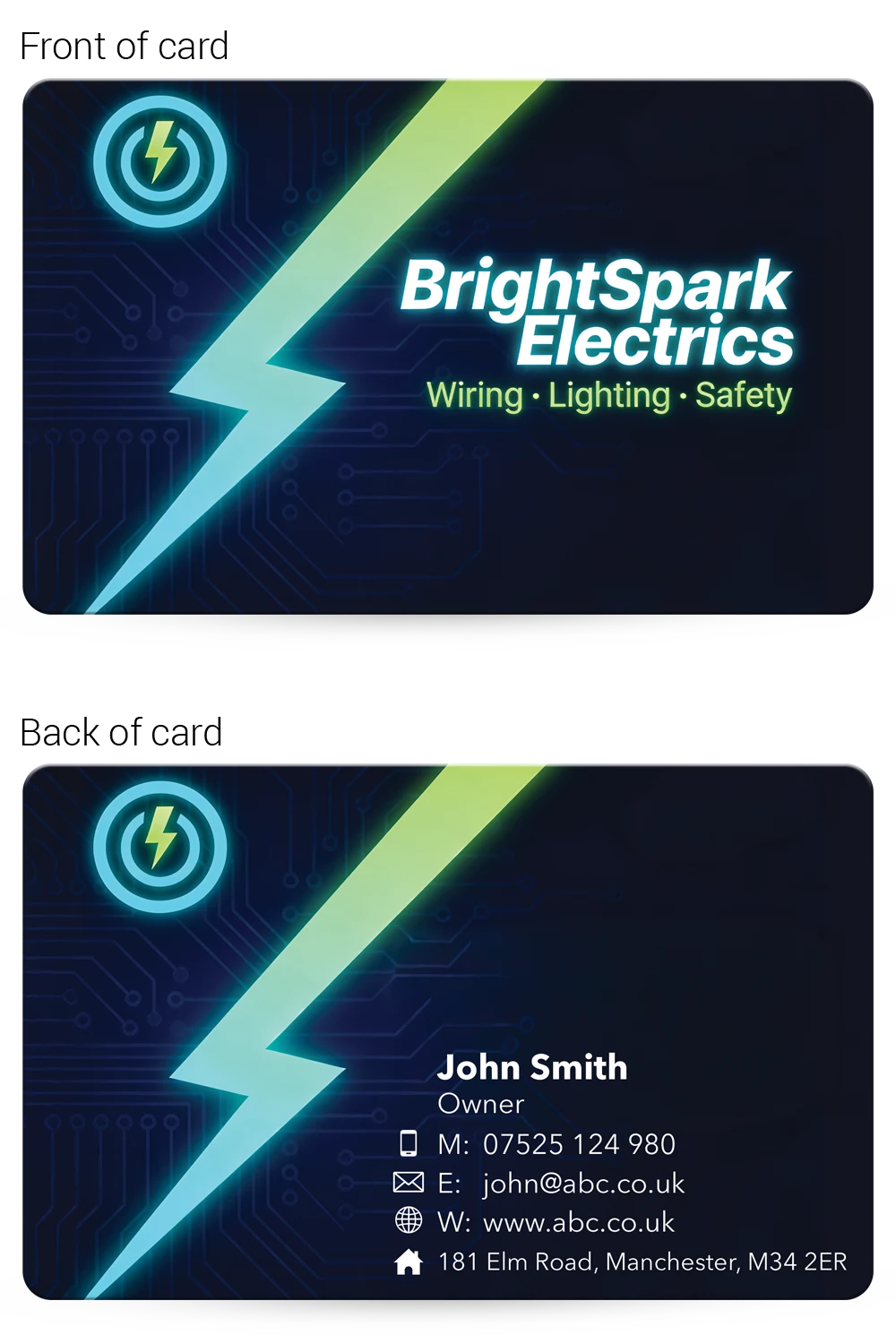
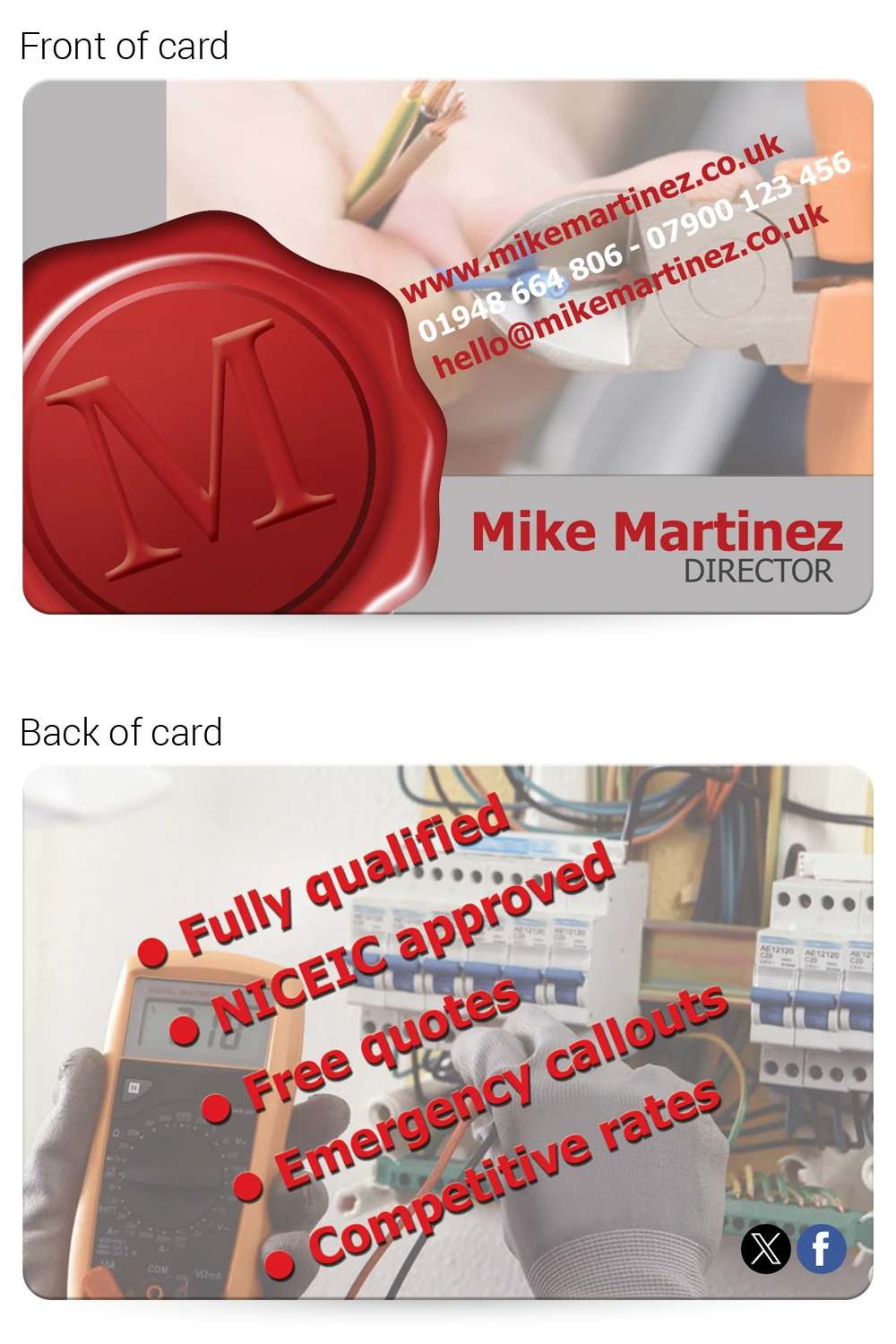
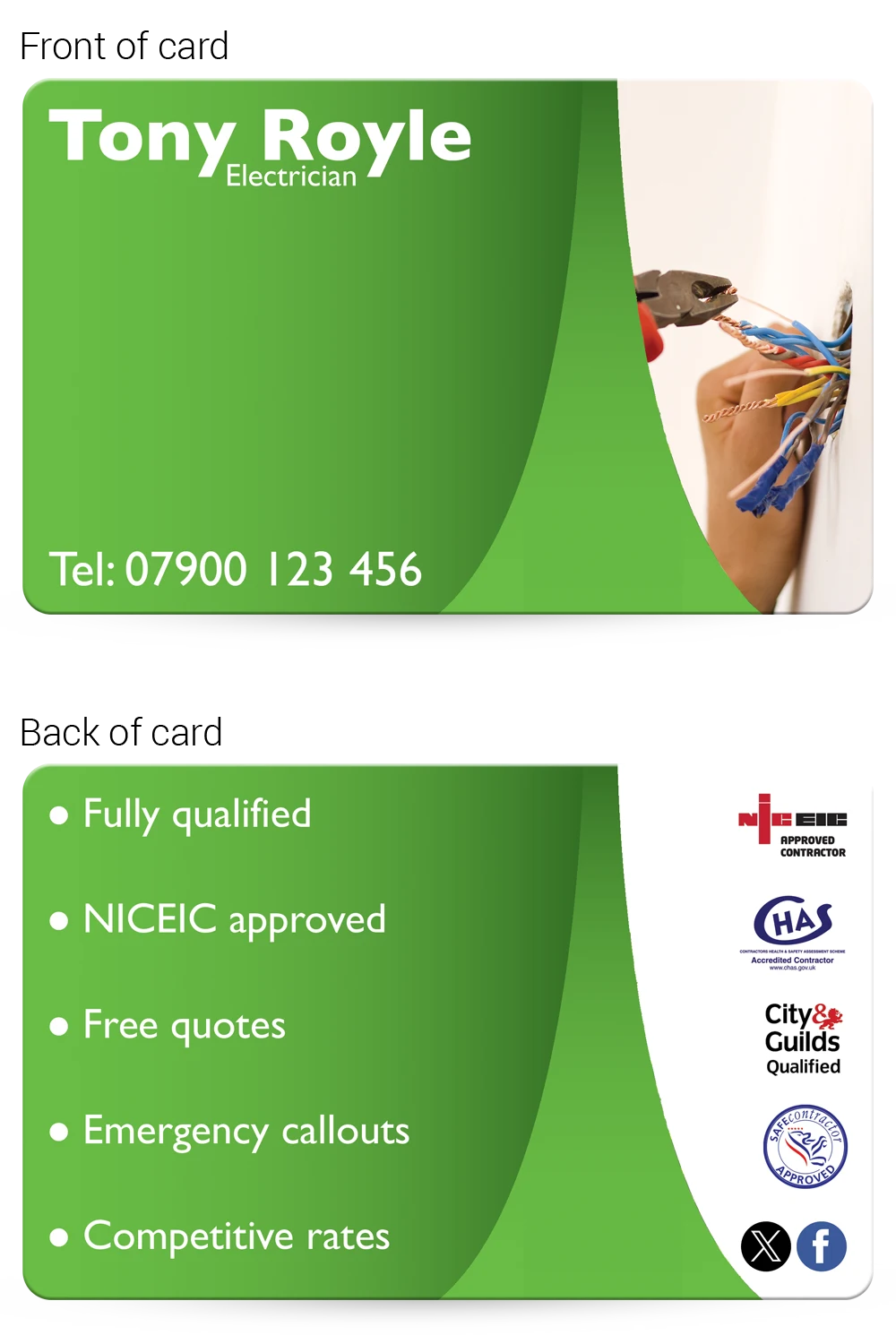
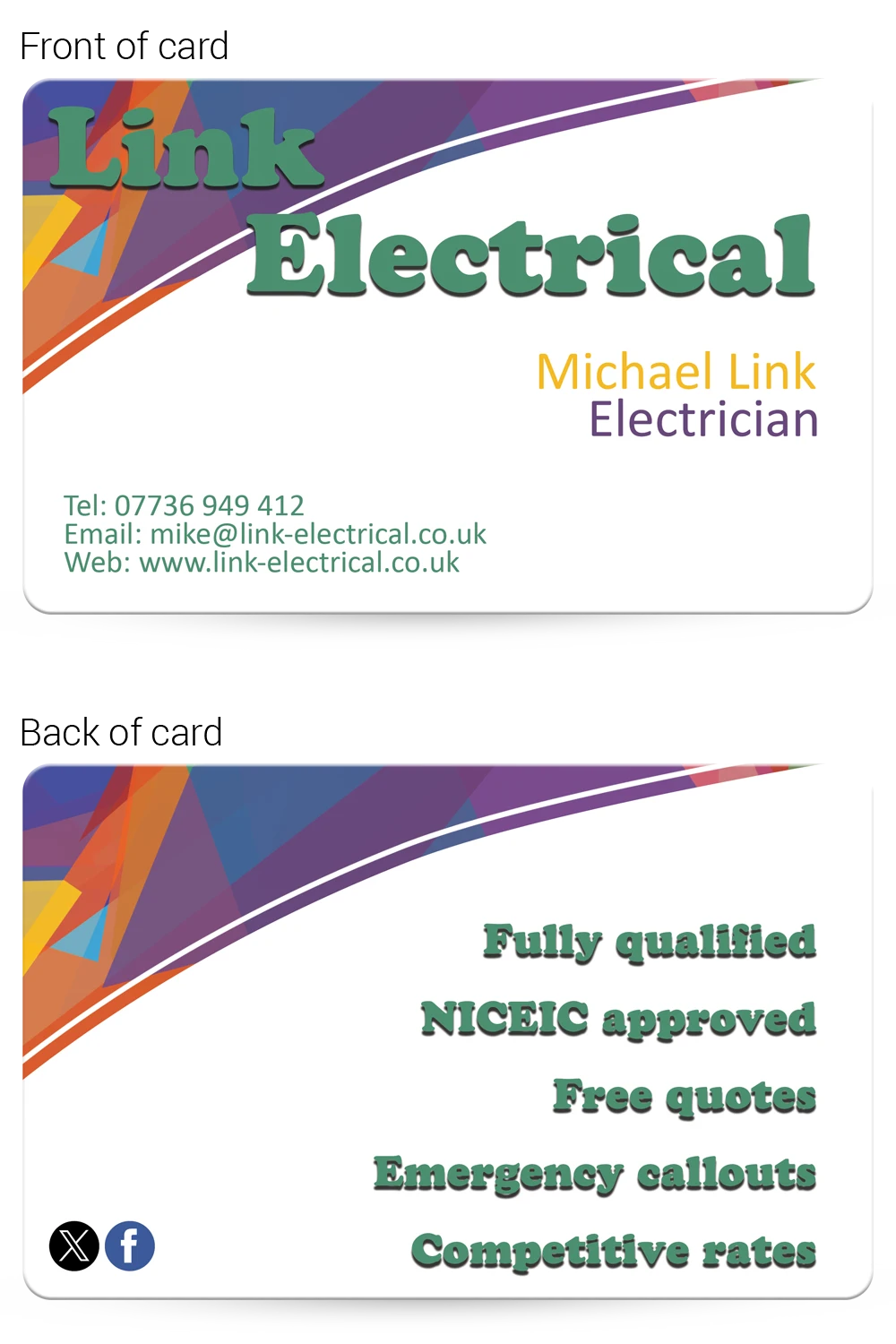
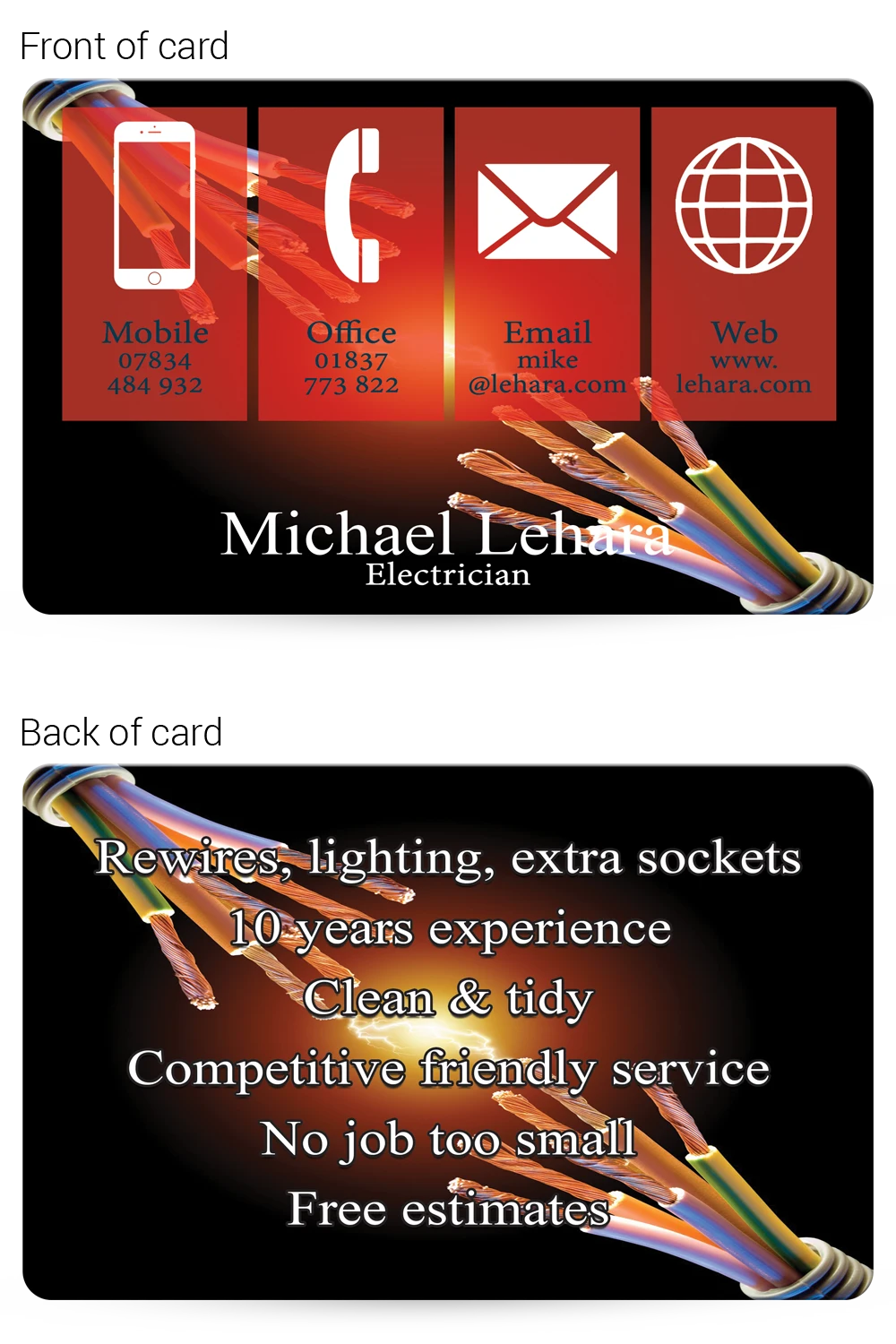
Electrician
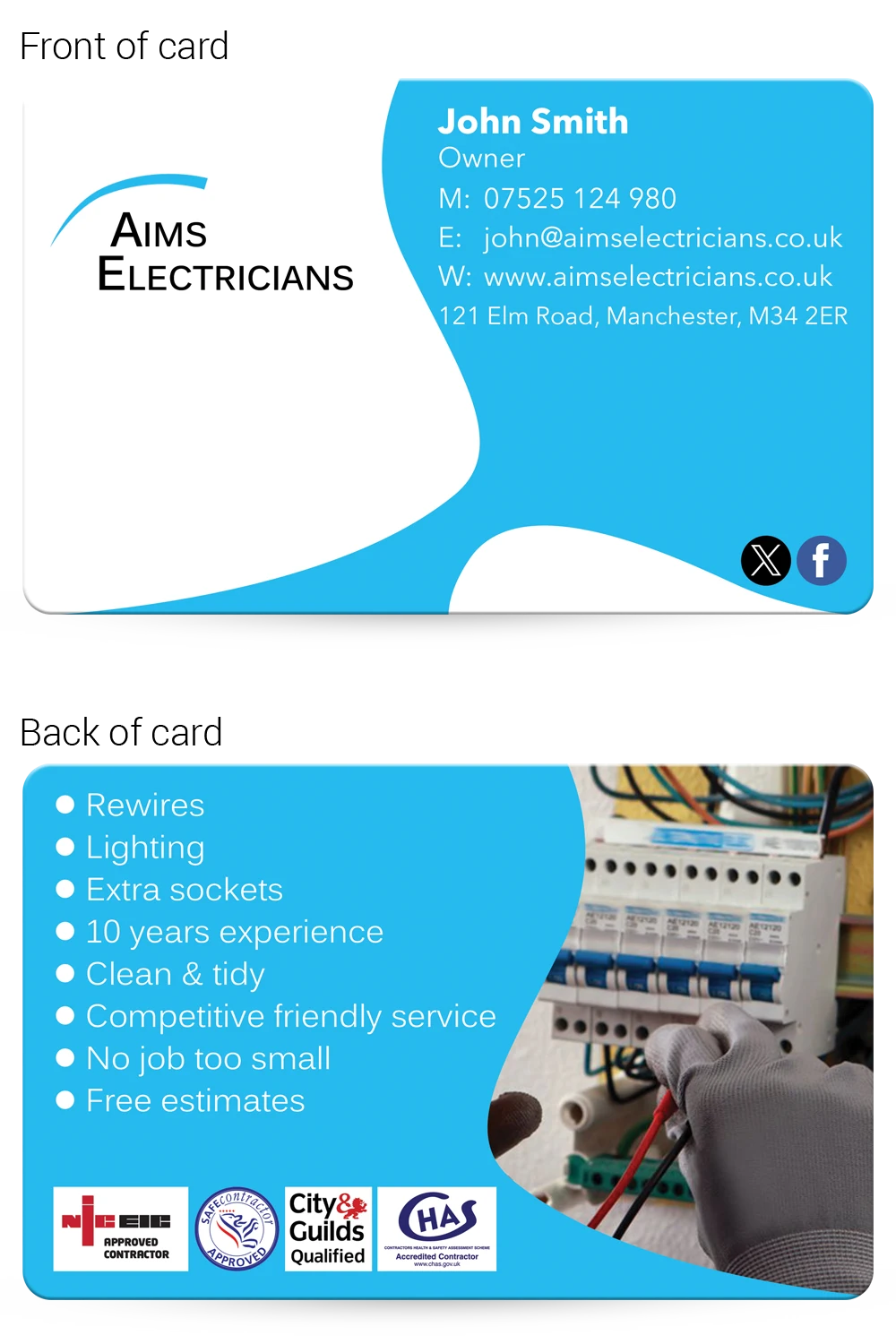
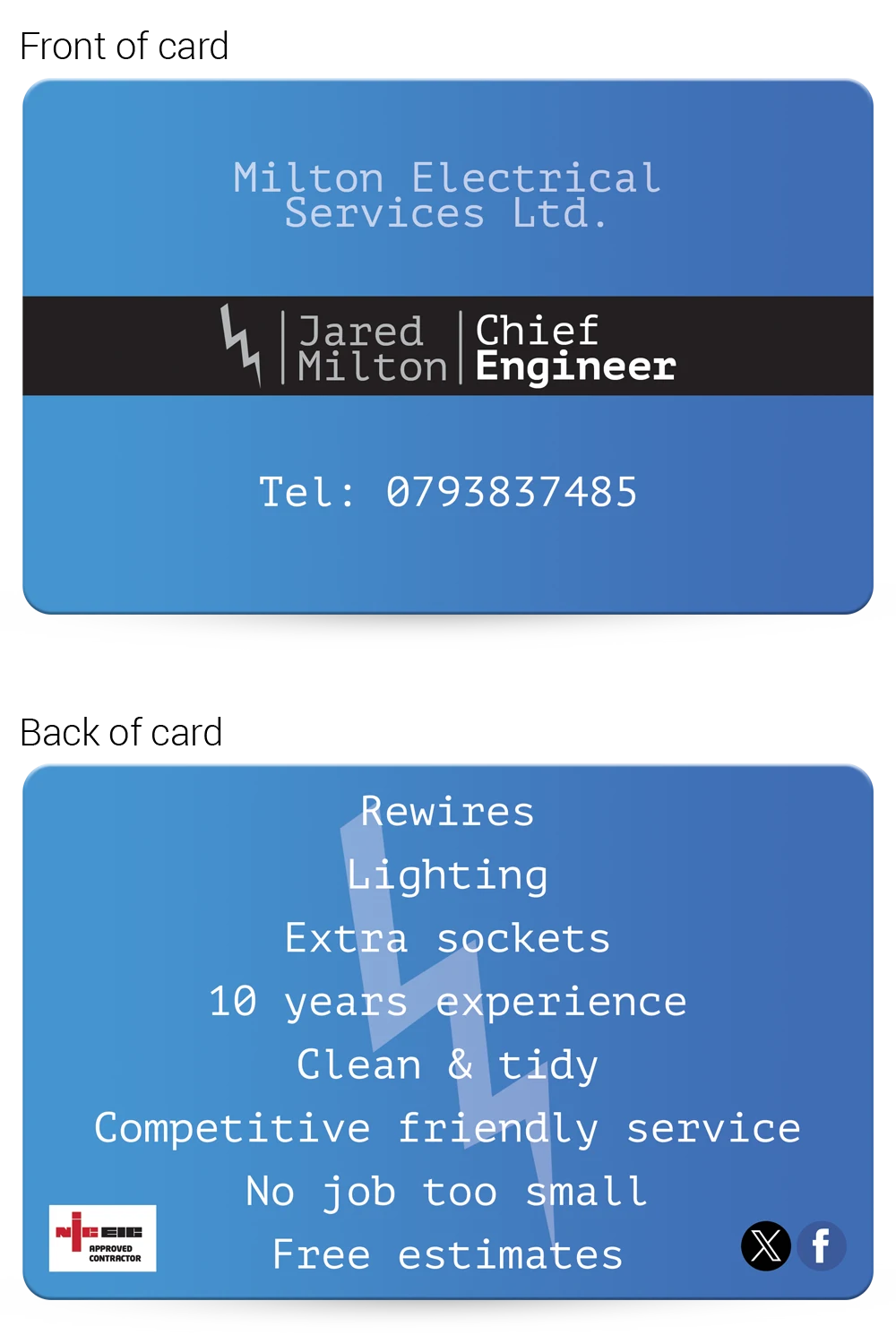


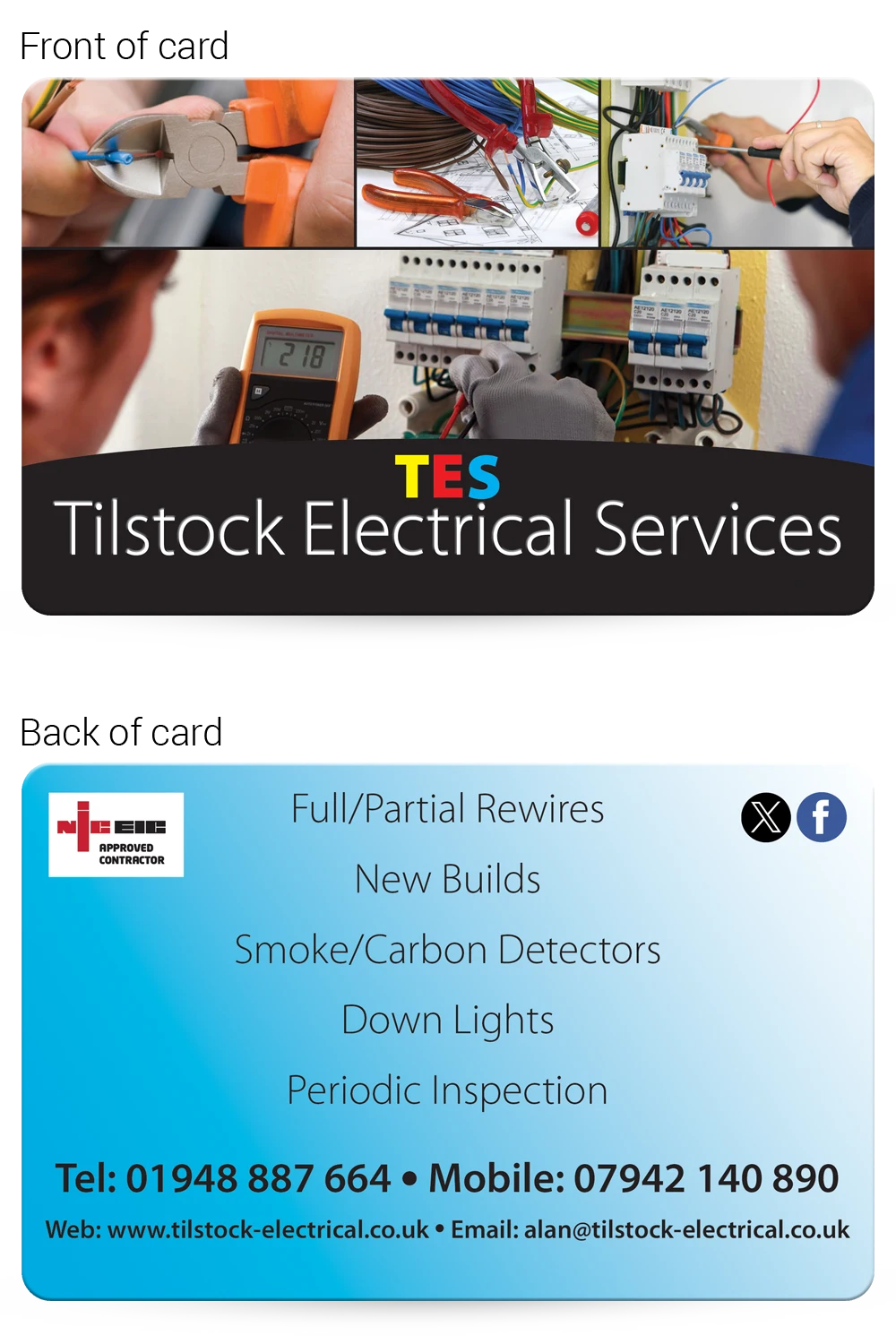








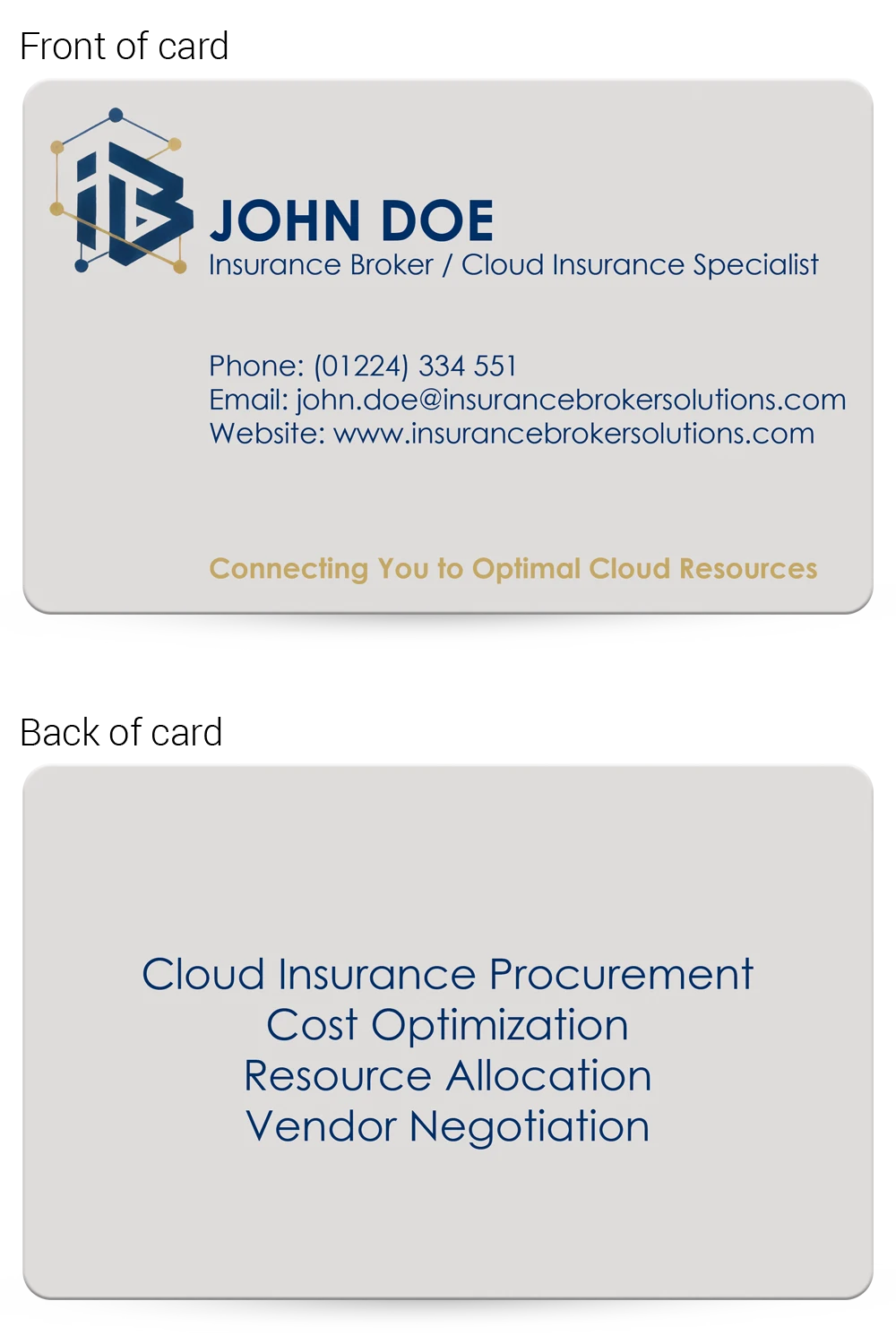
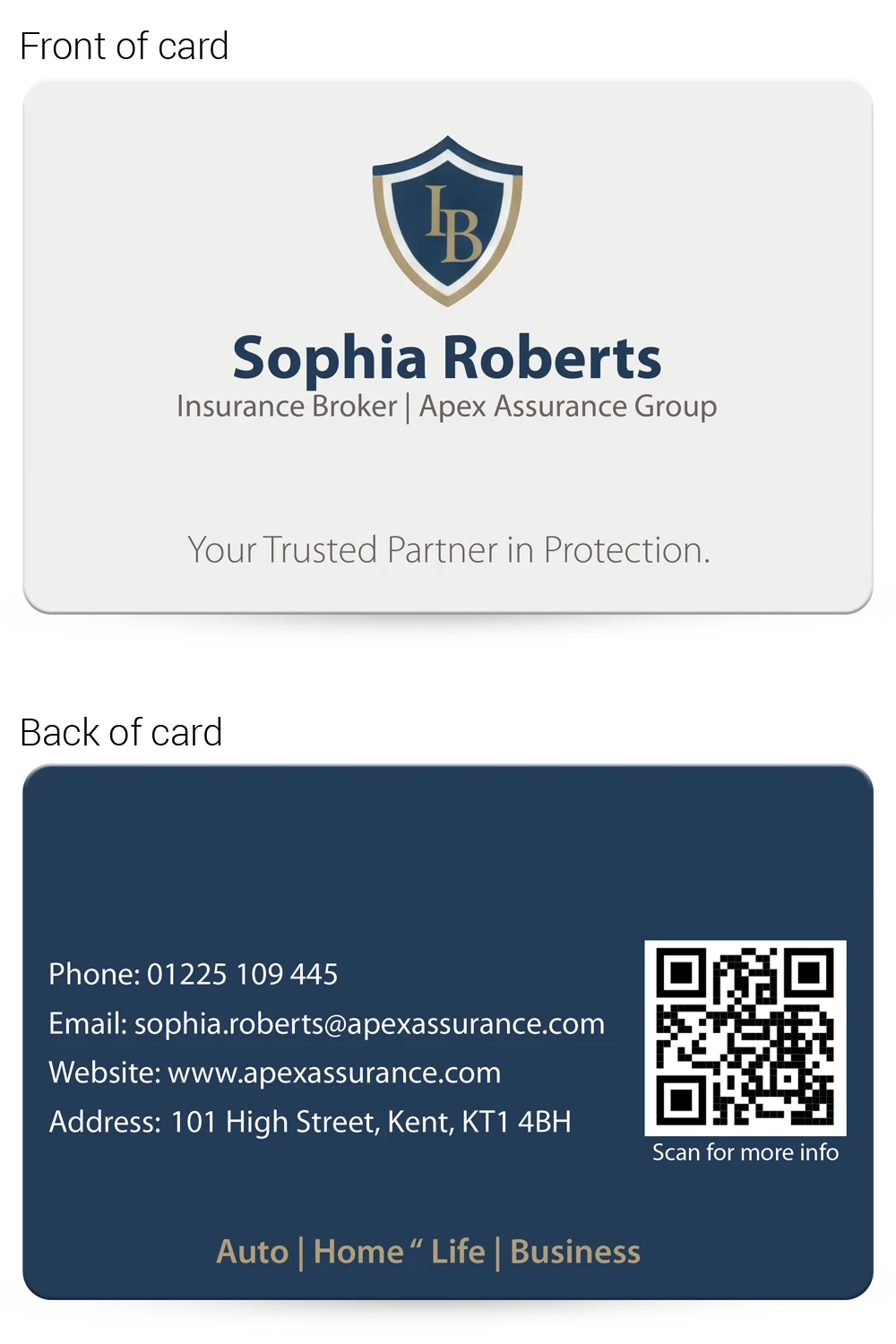
Insurance Brokers

IT Support Specialist
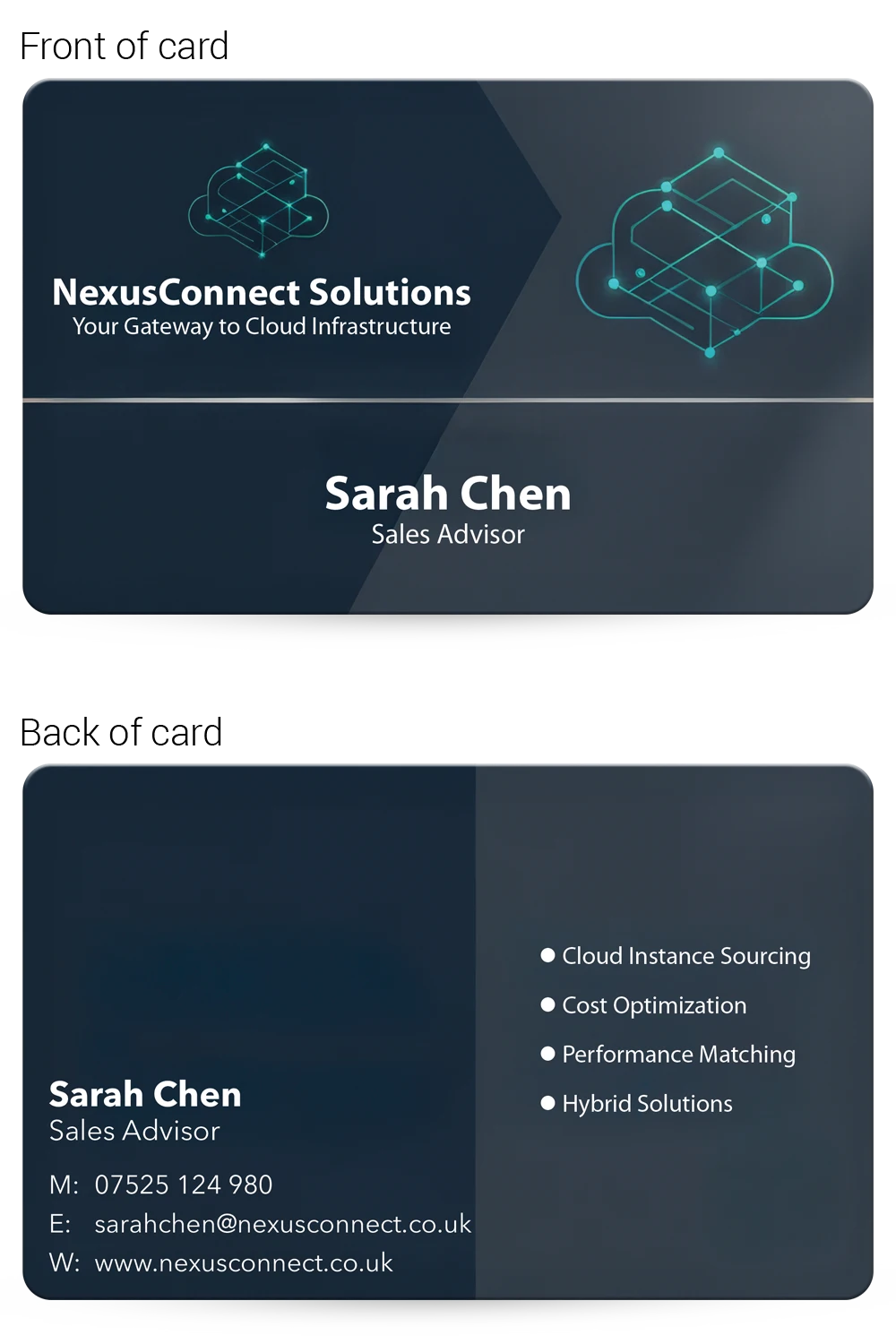

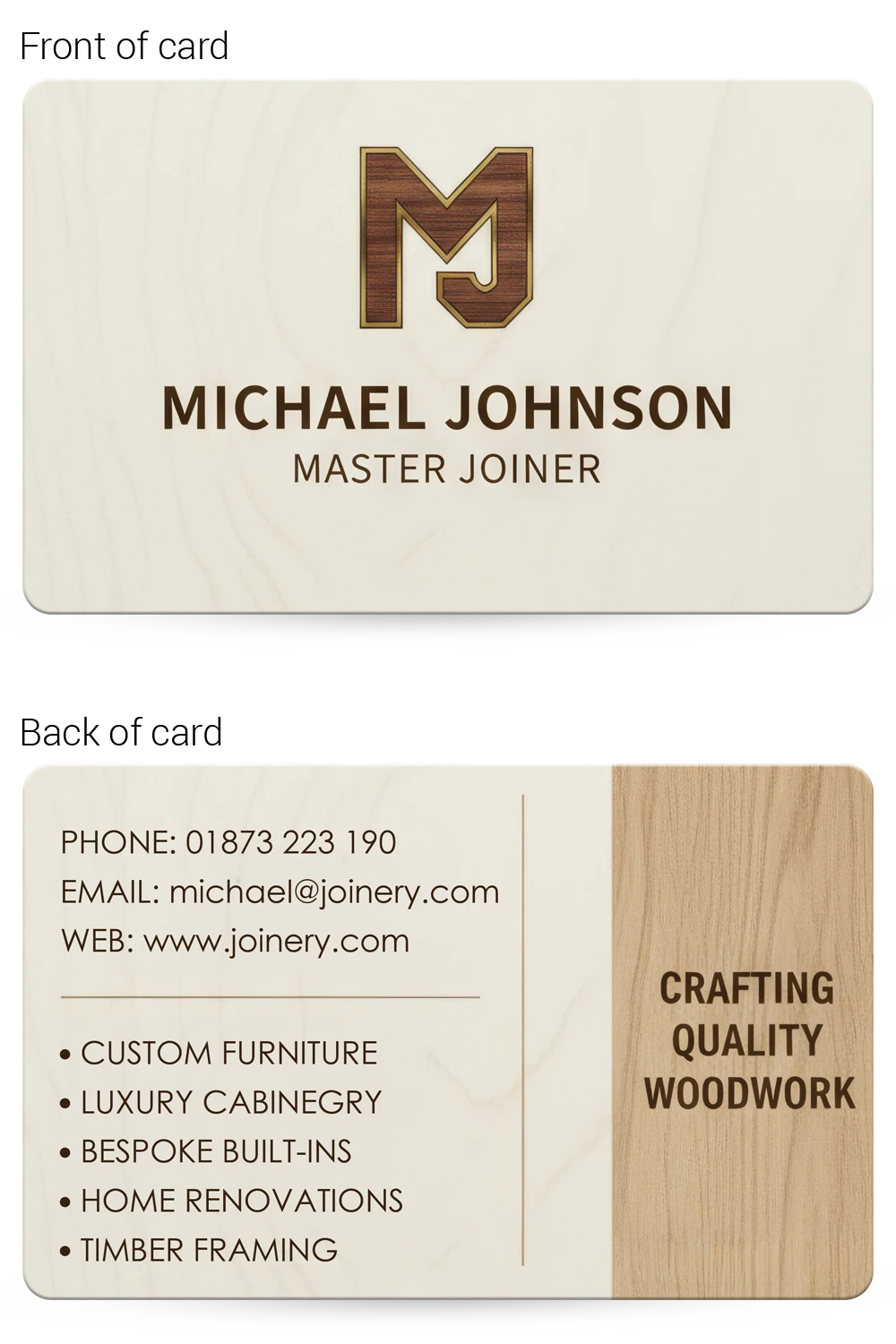
Joiner
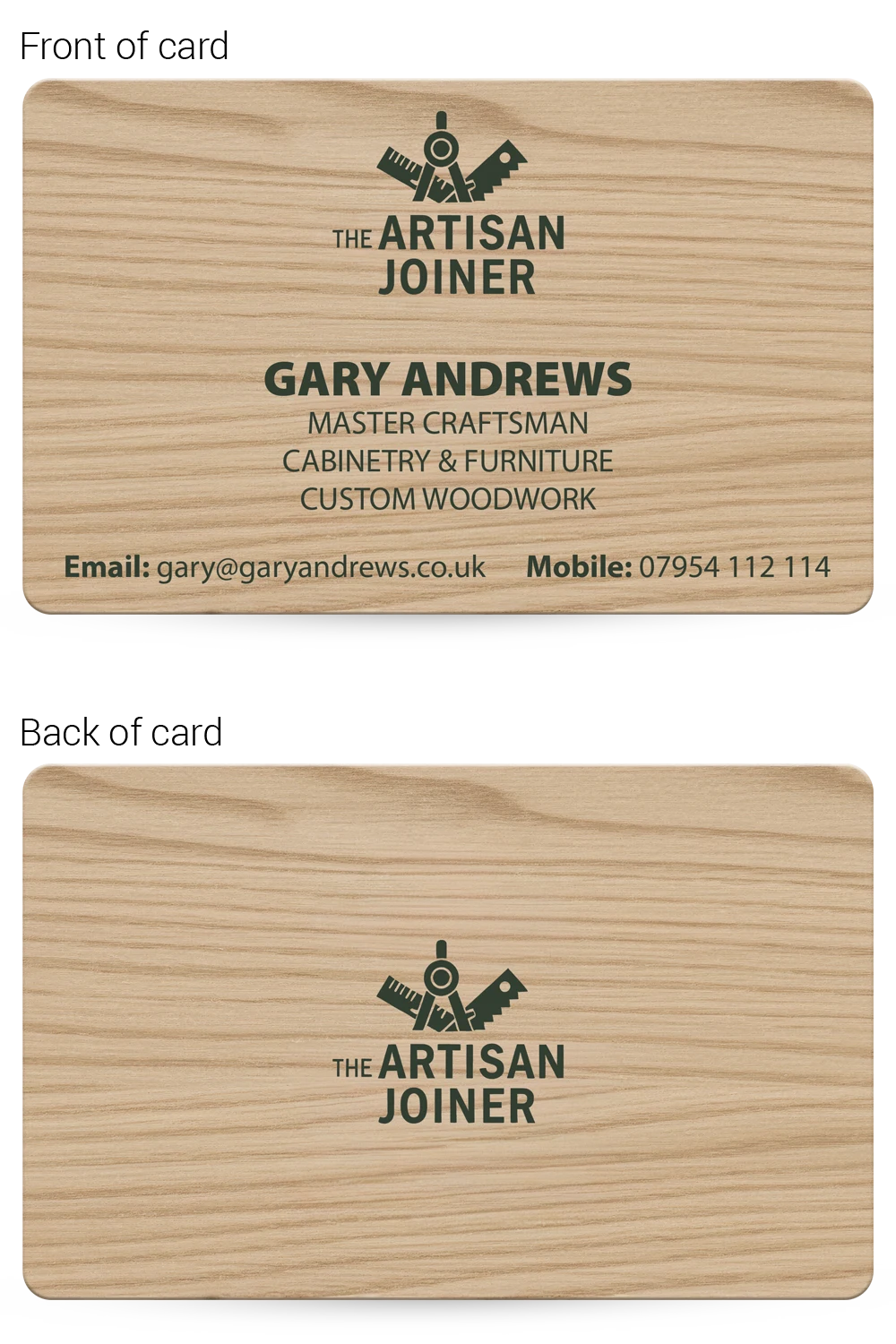
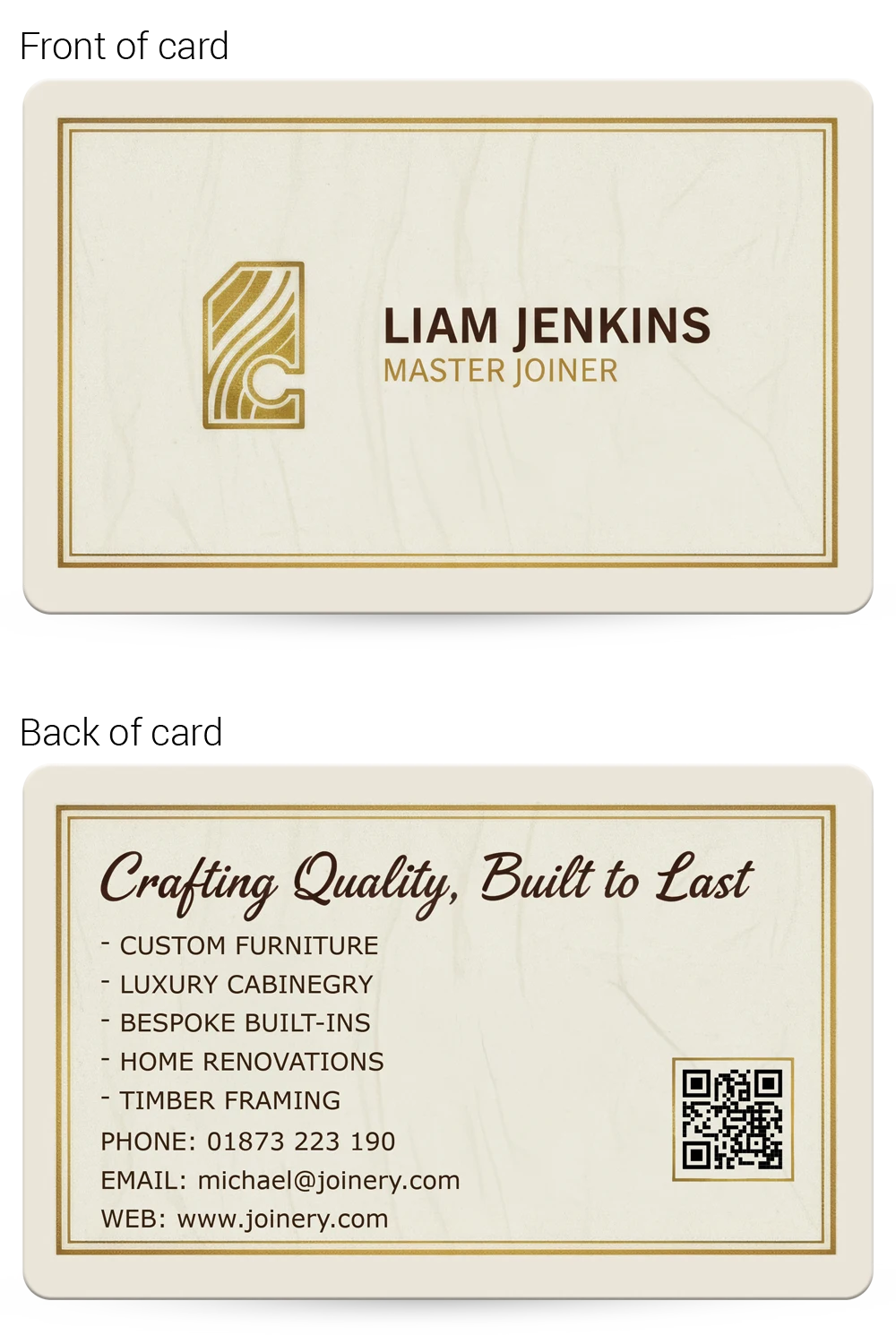
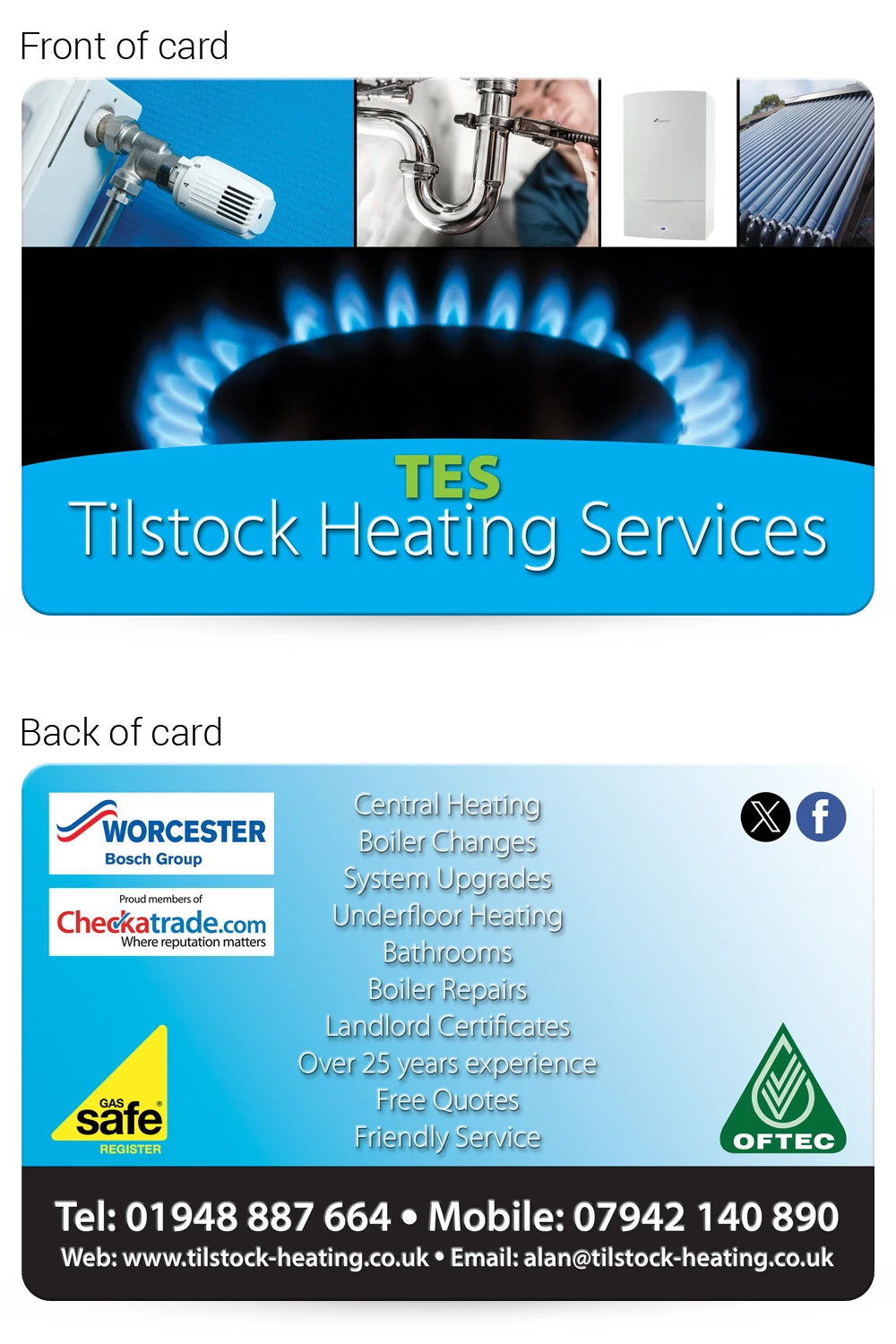
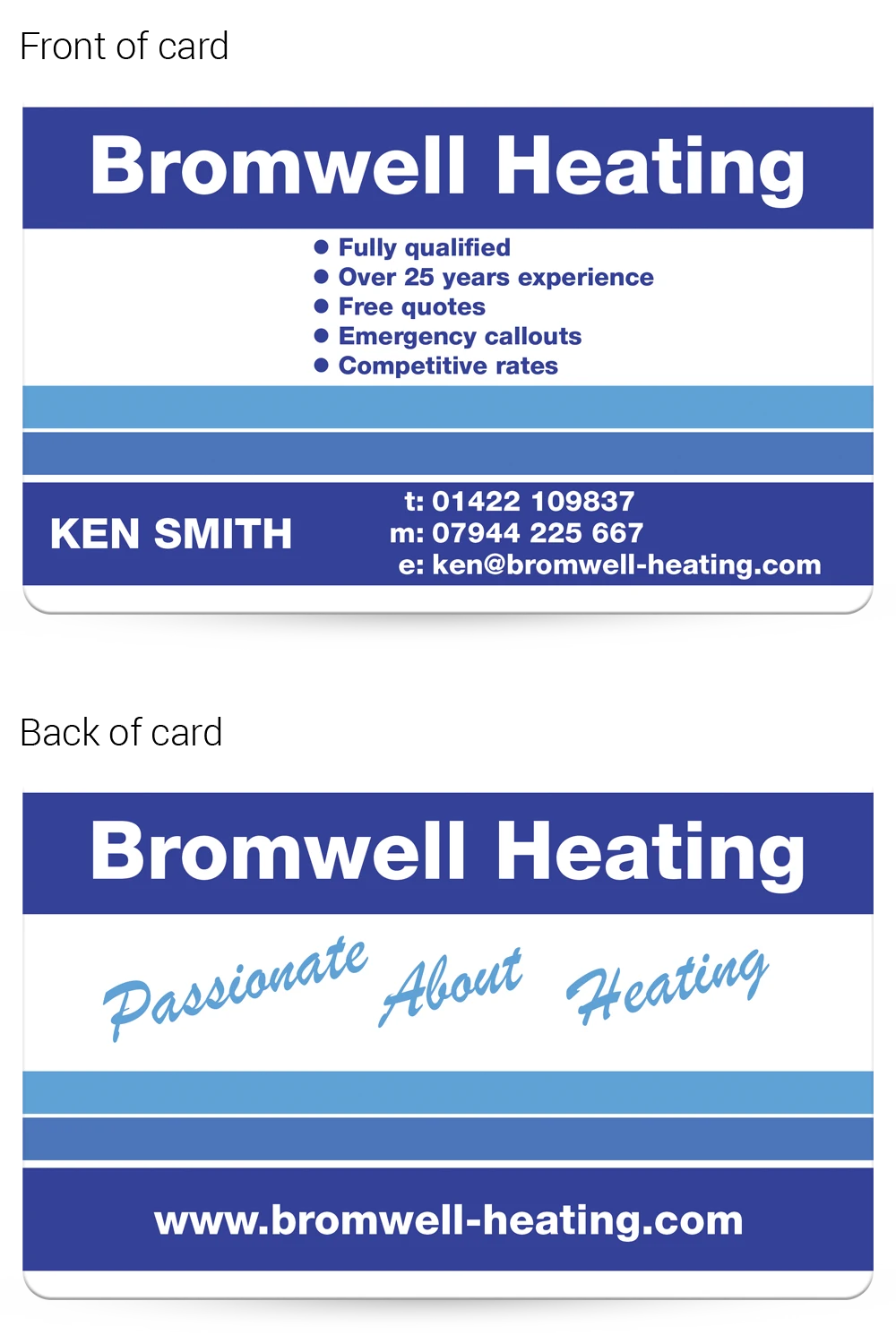
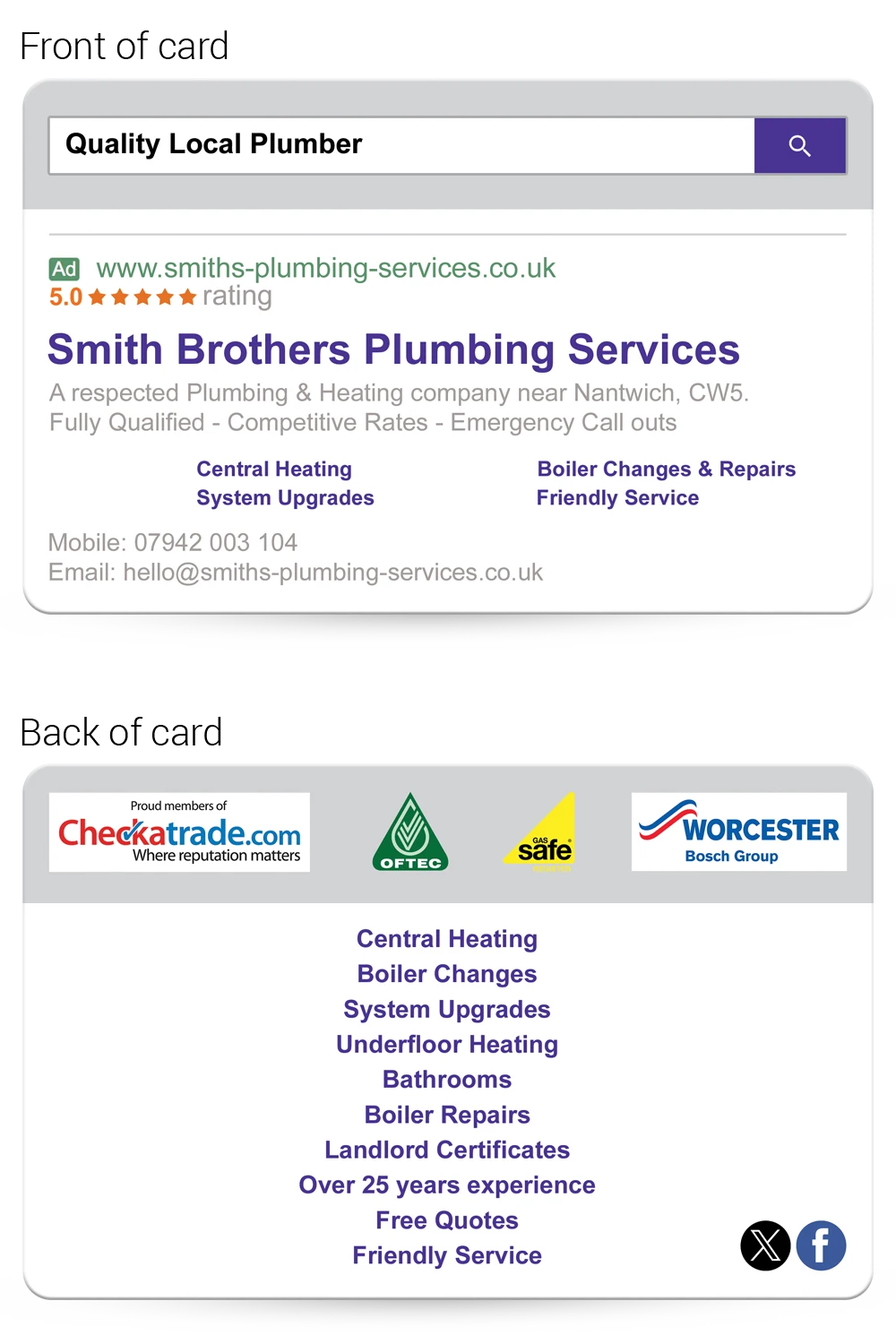
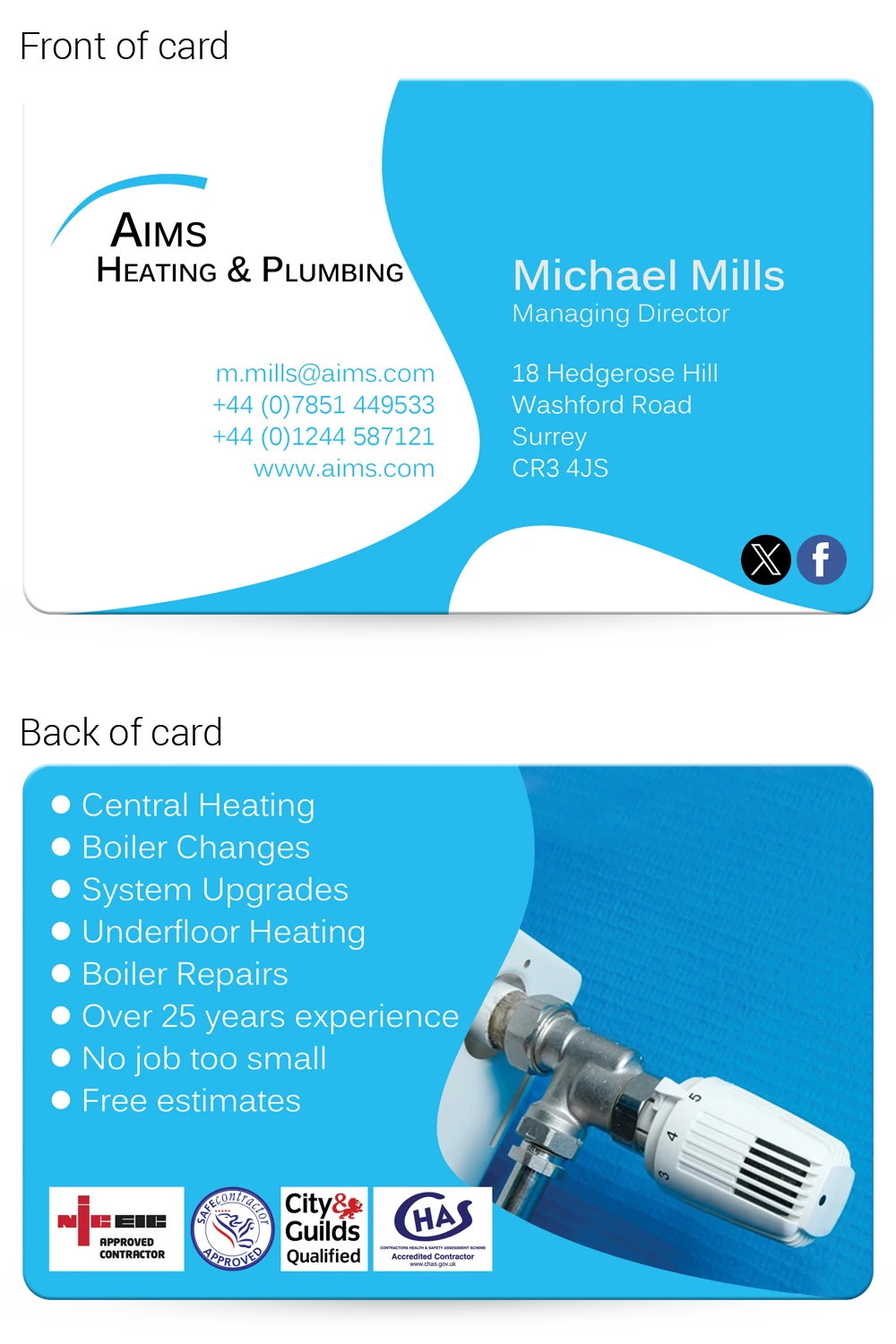
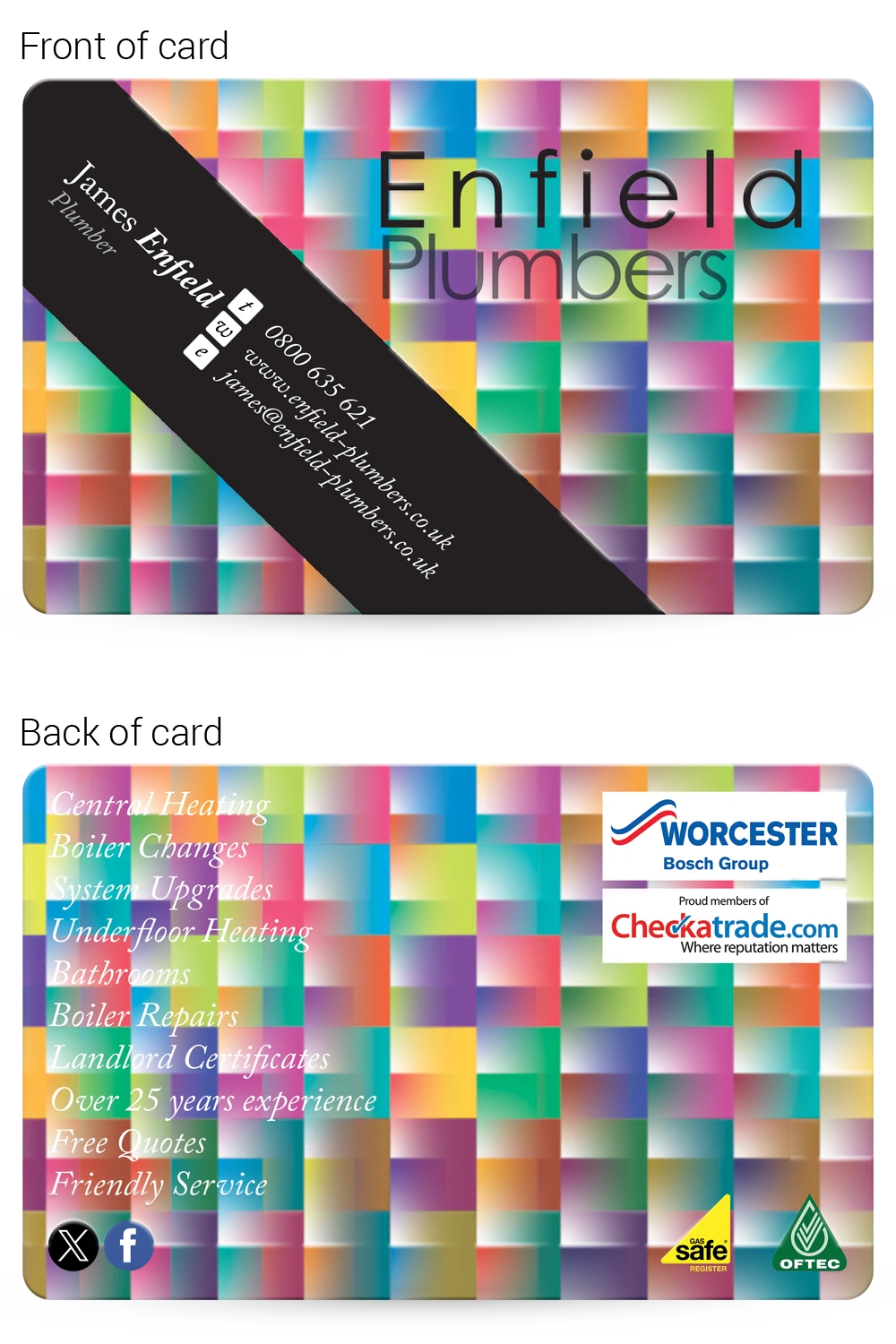
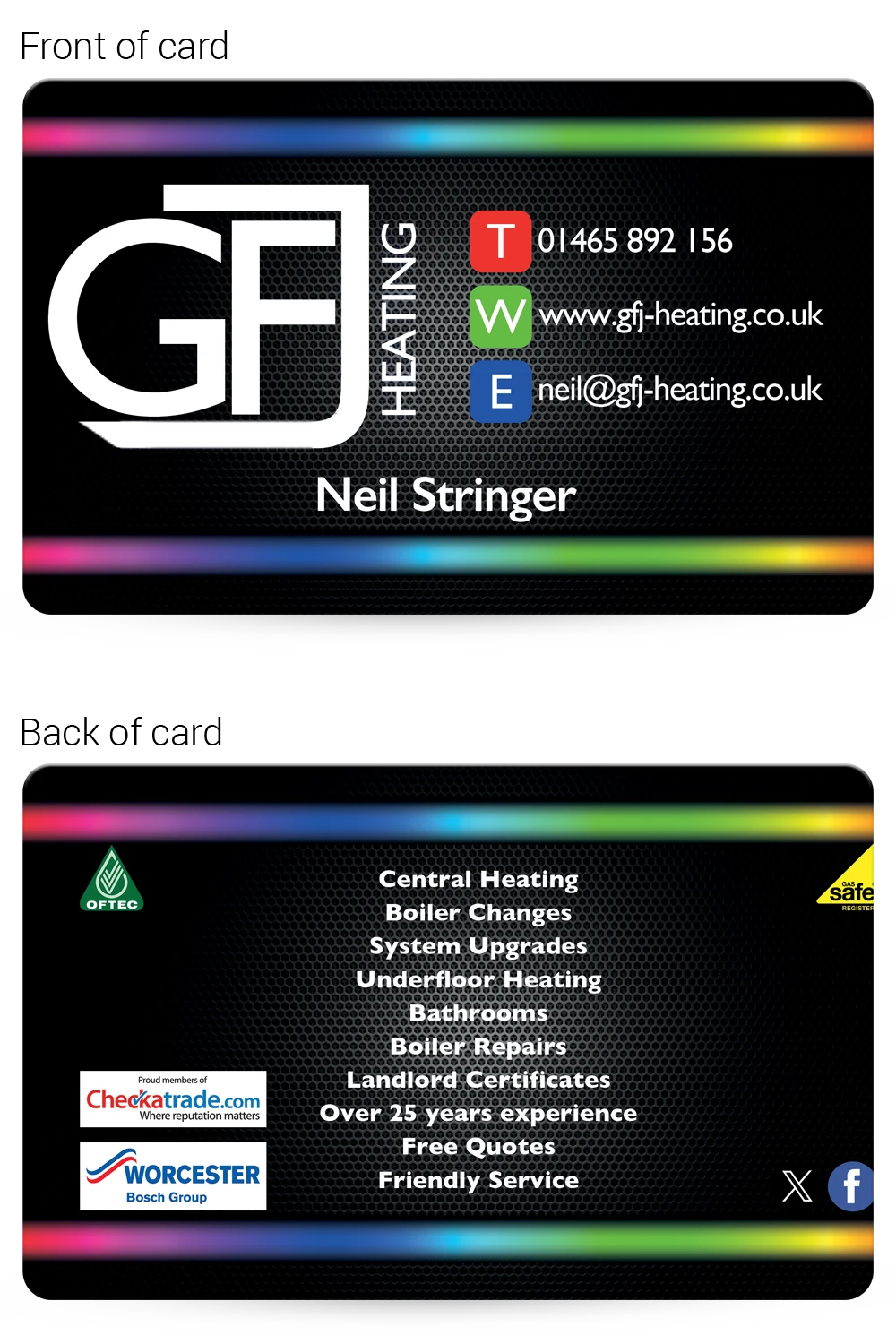
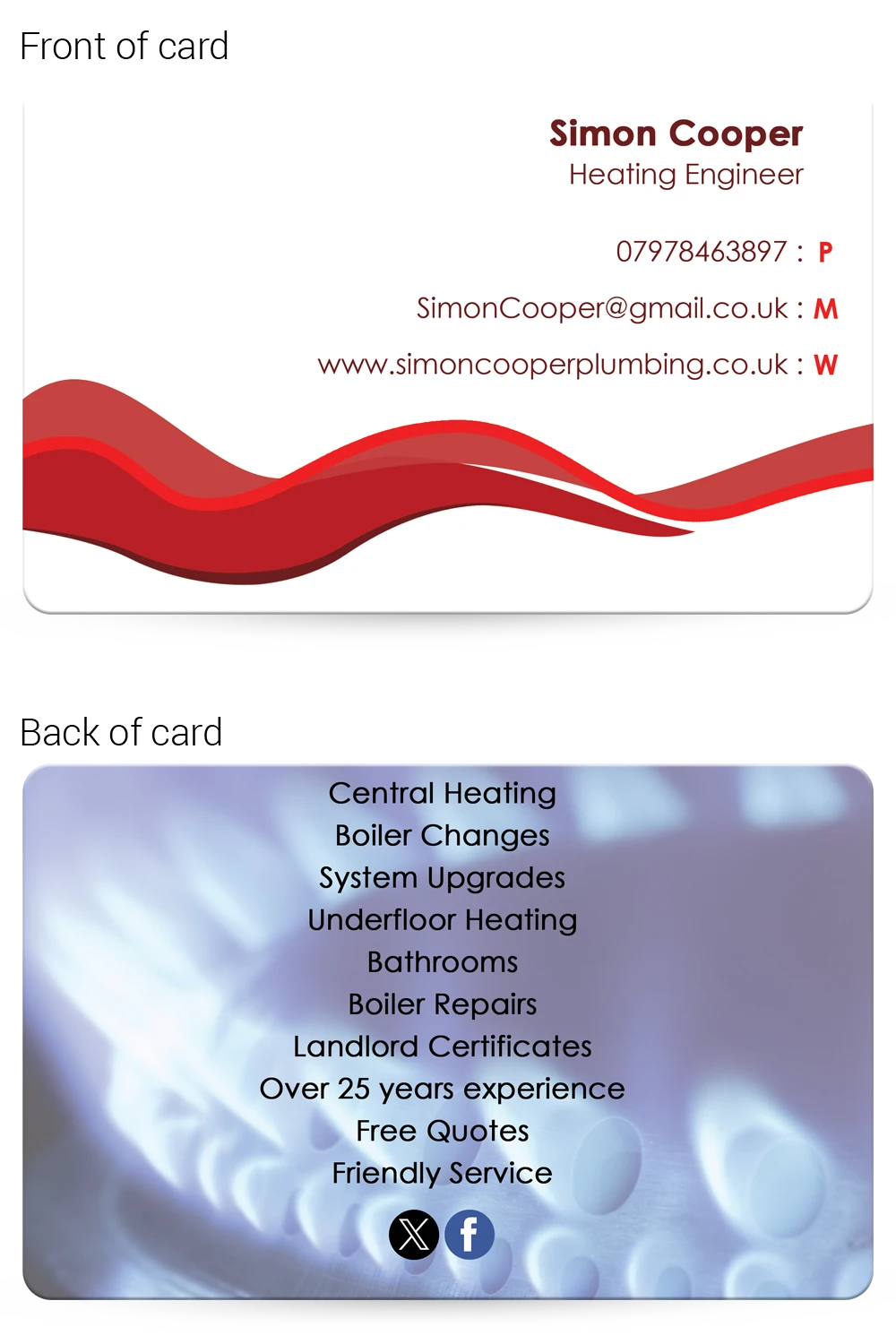
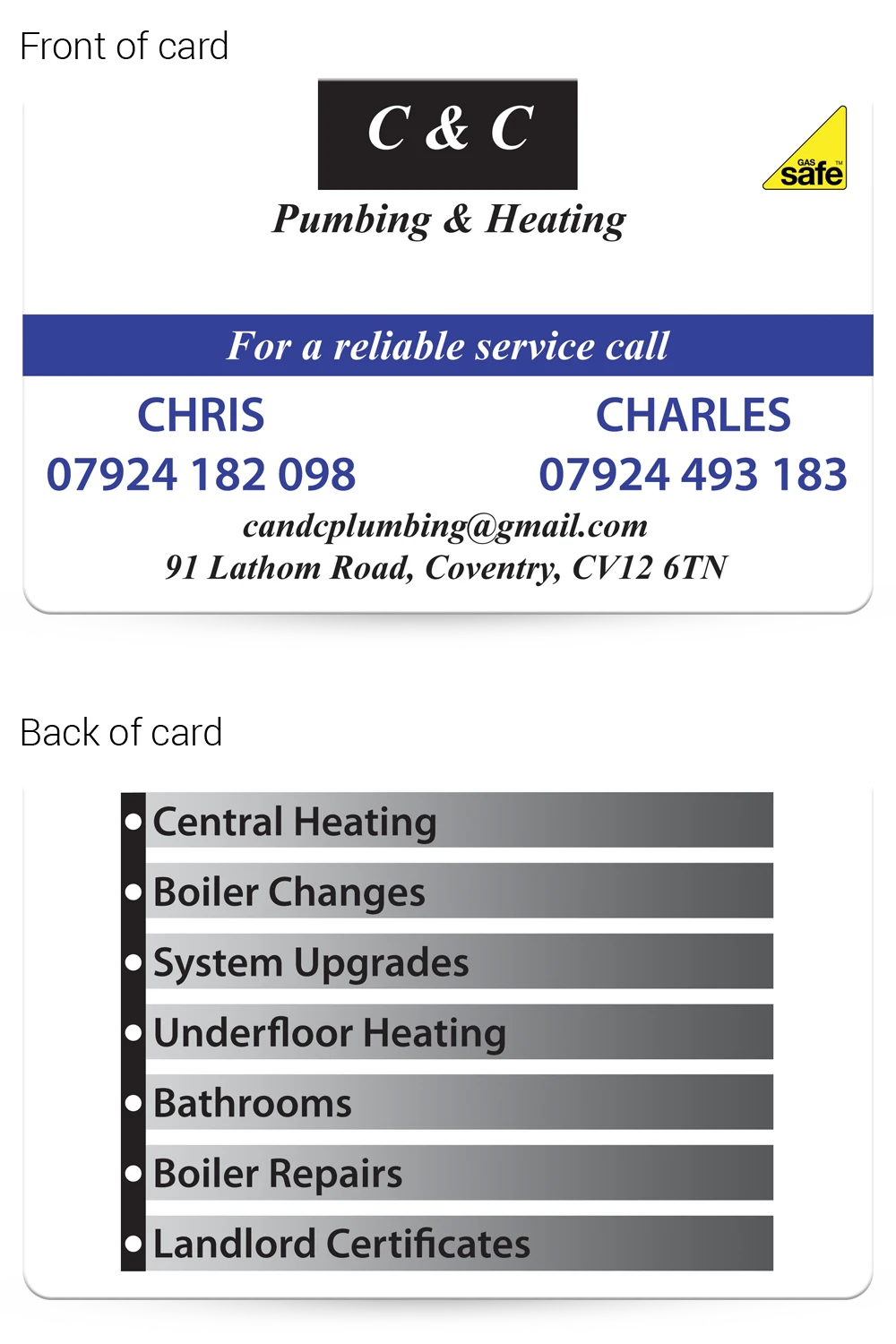
Plumber



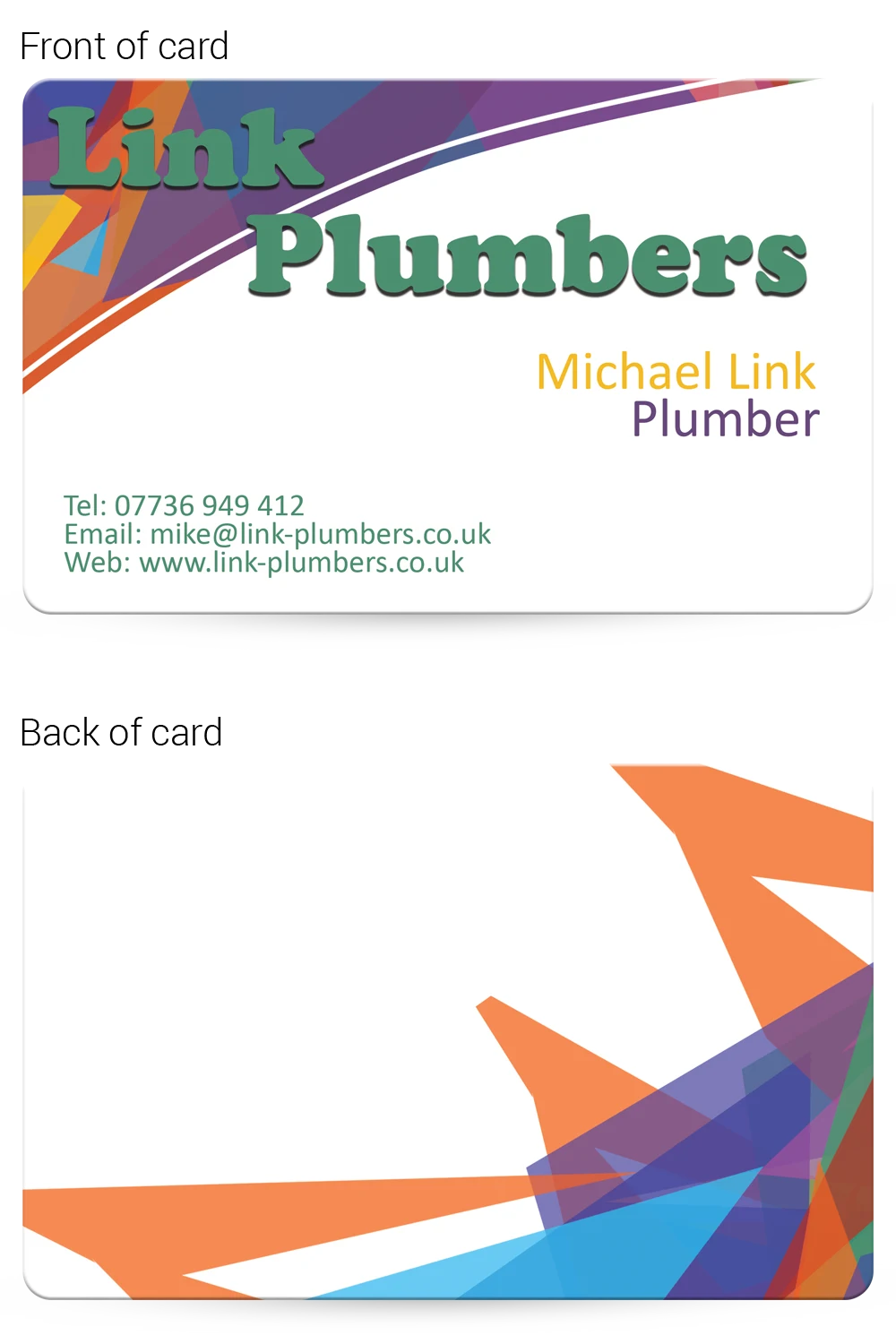
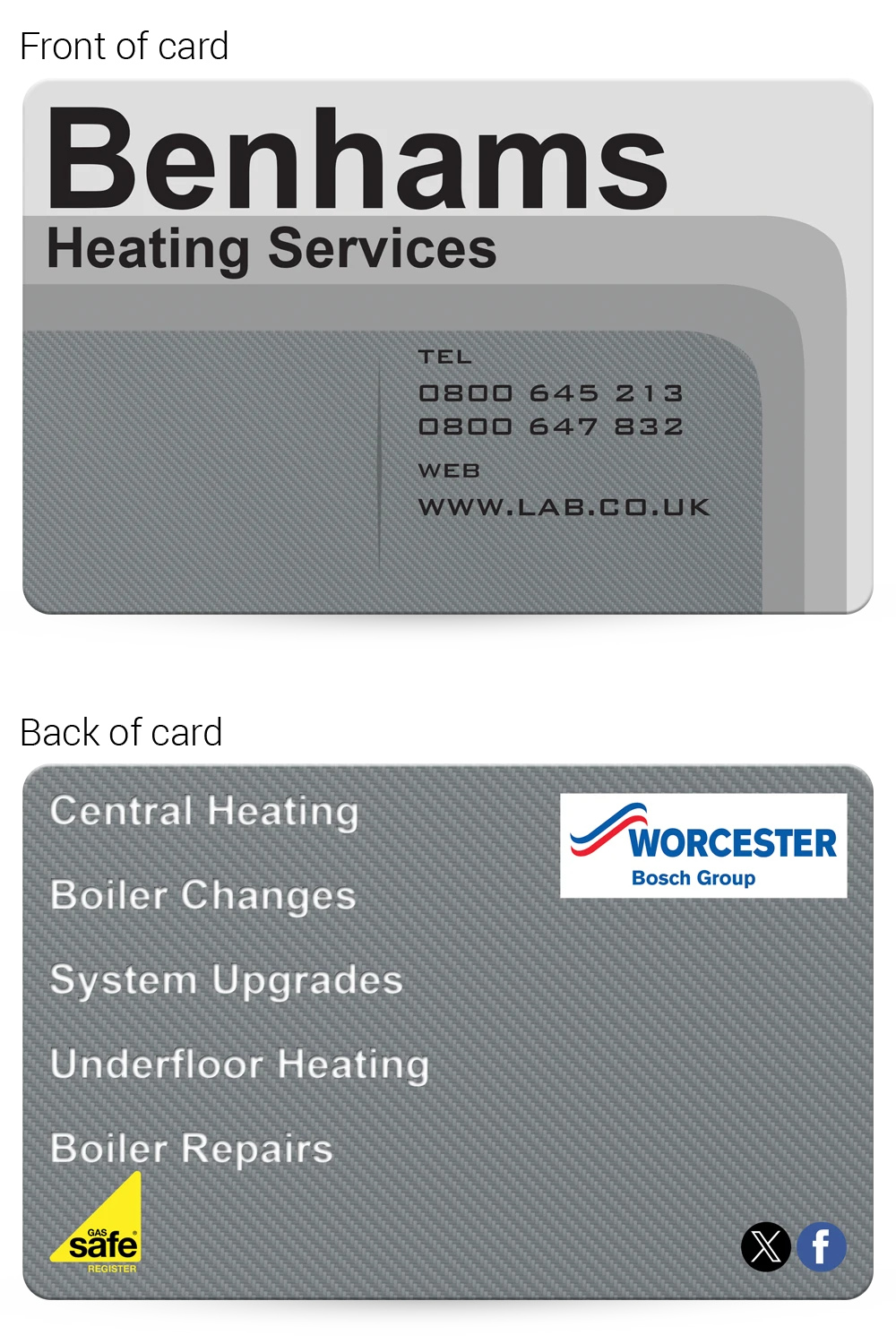
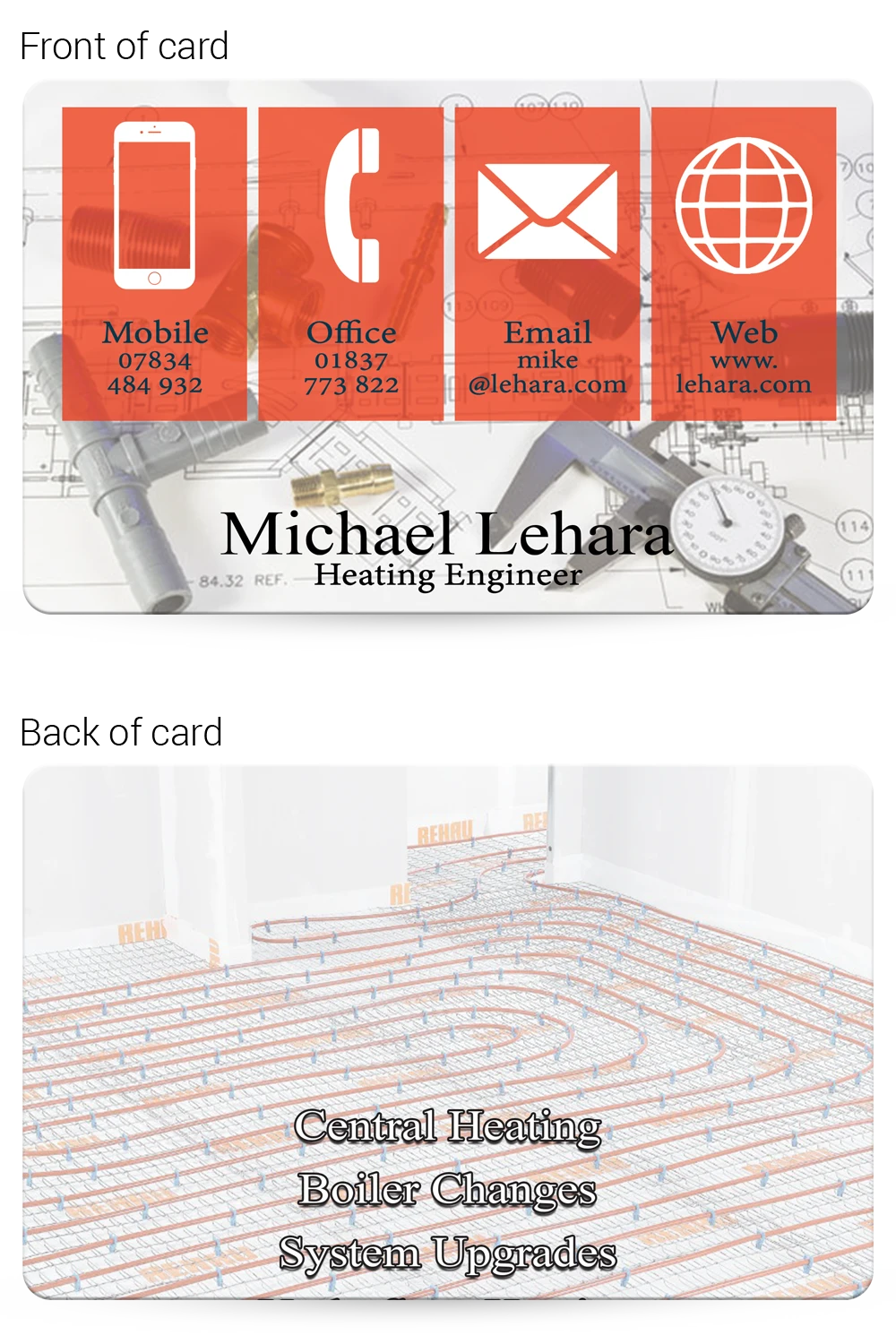
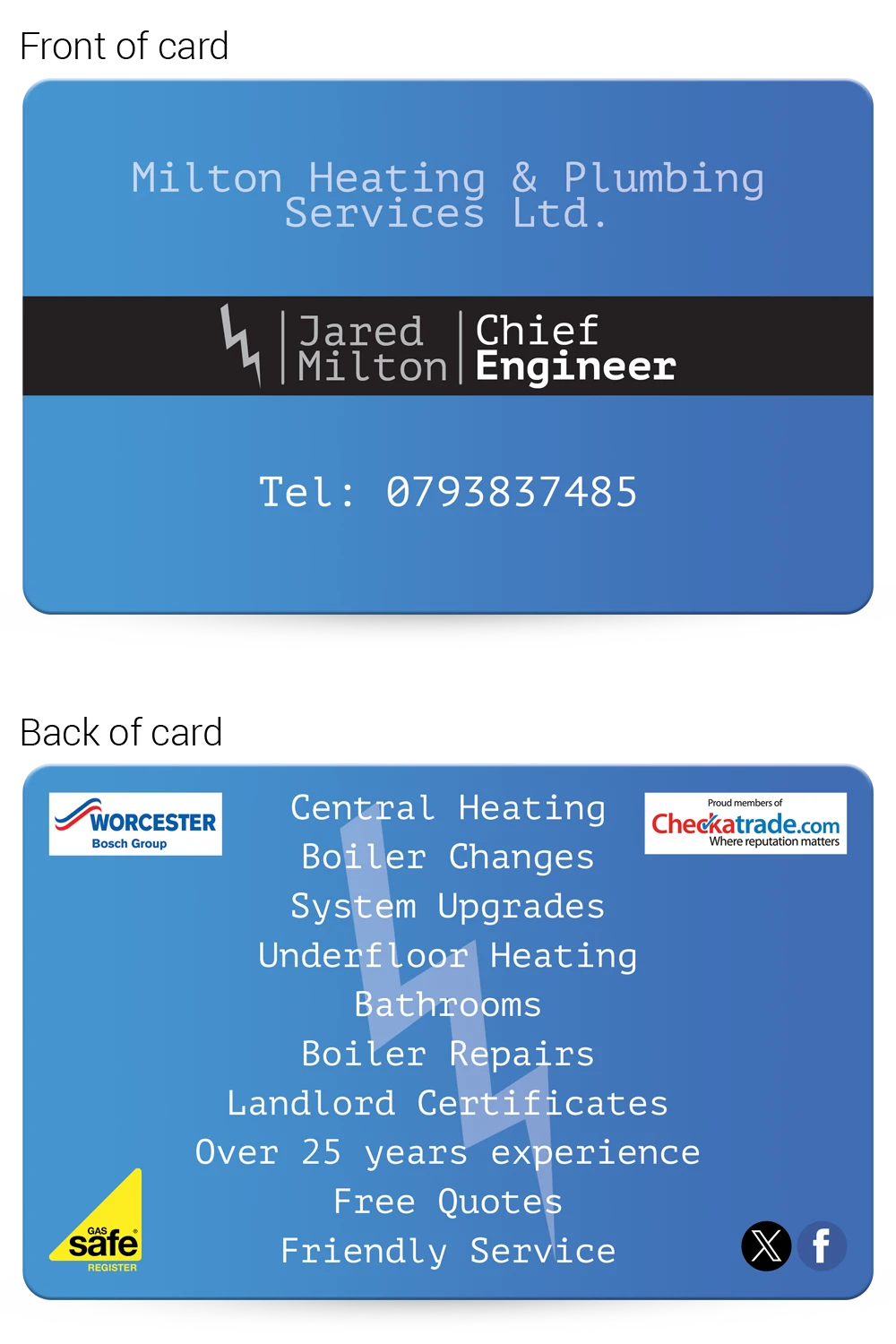
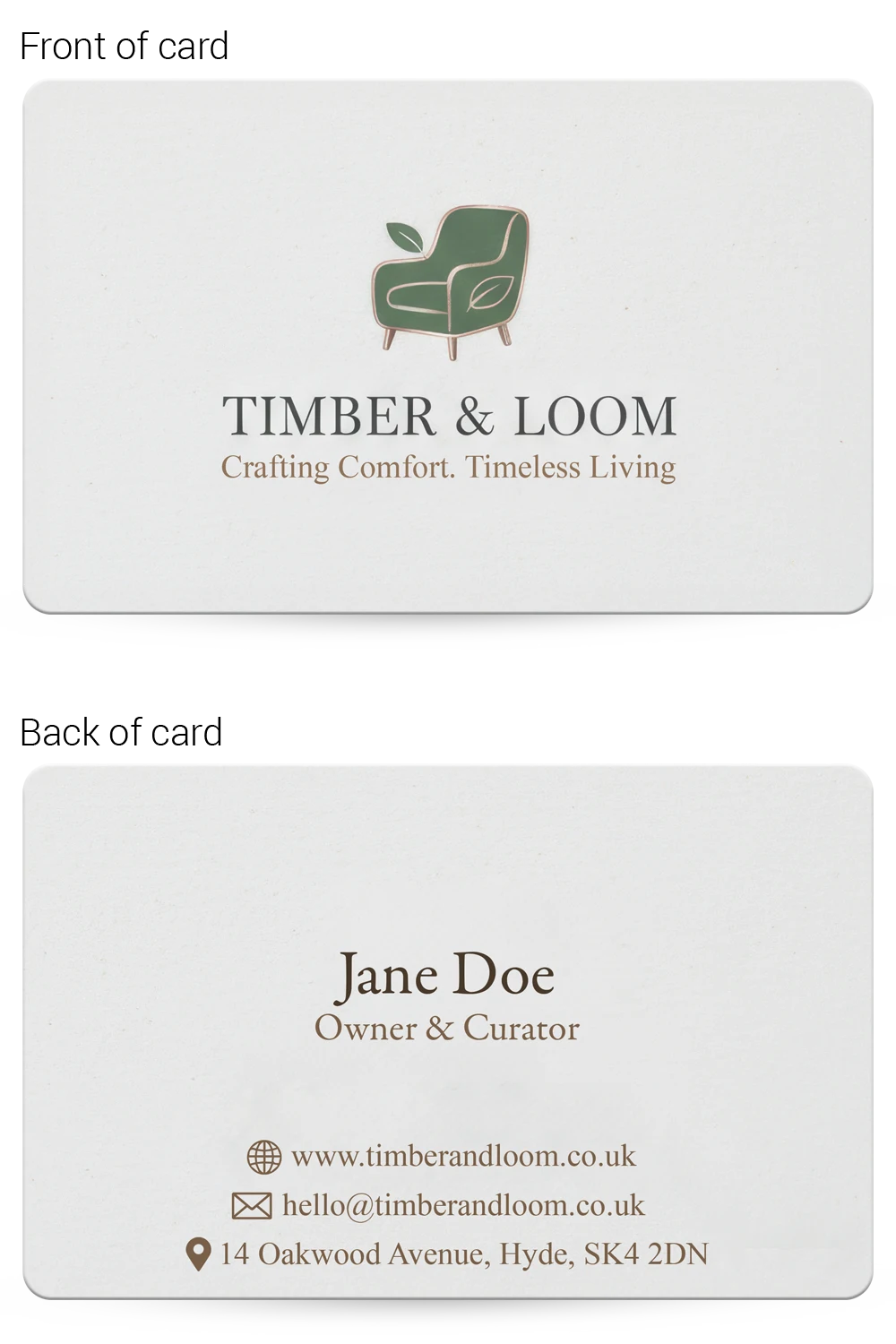
Retail, Furniture & Home
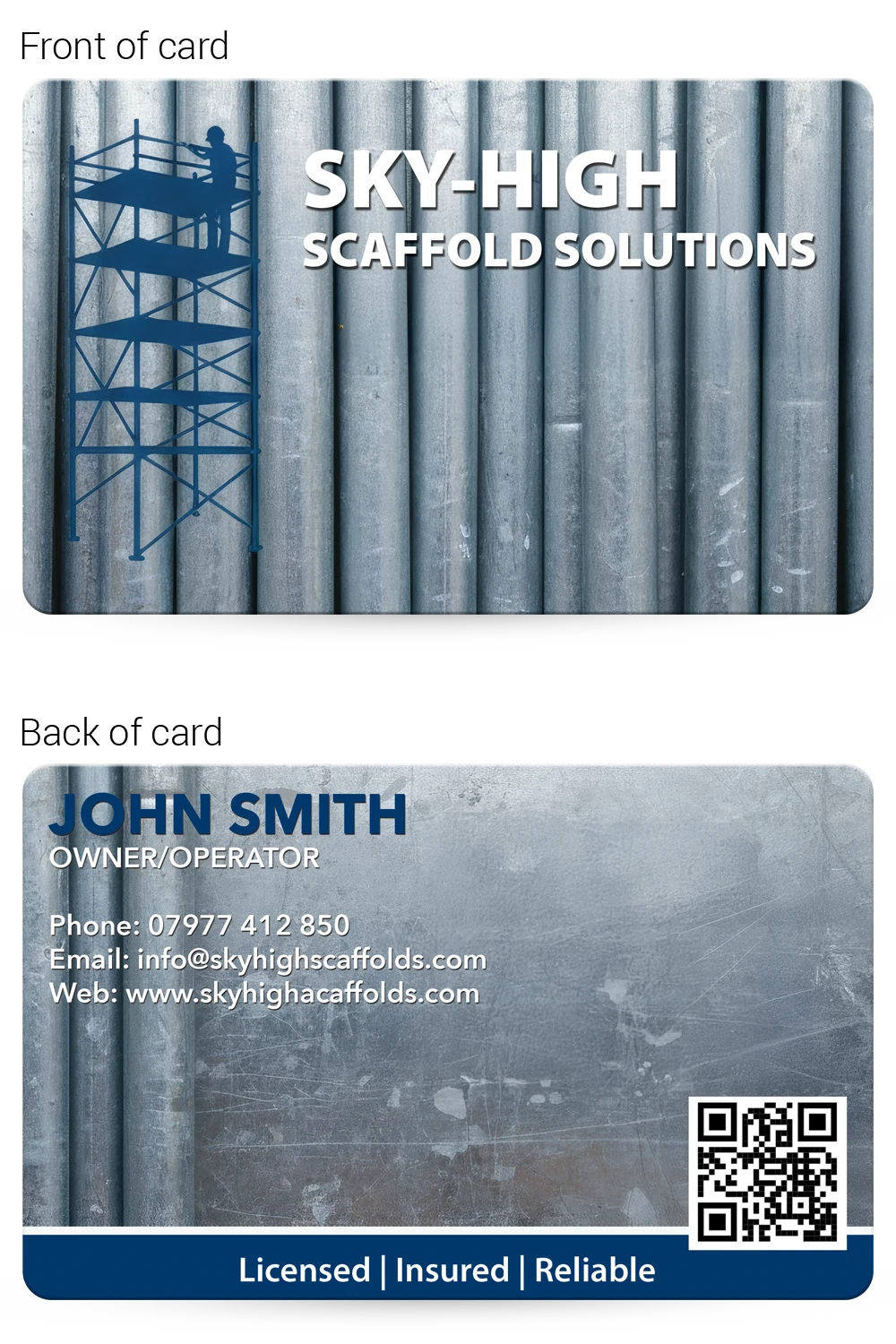
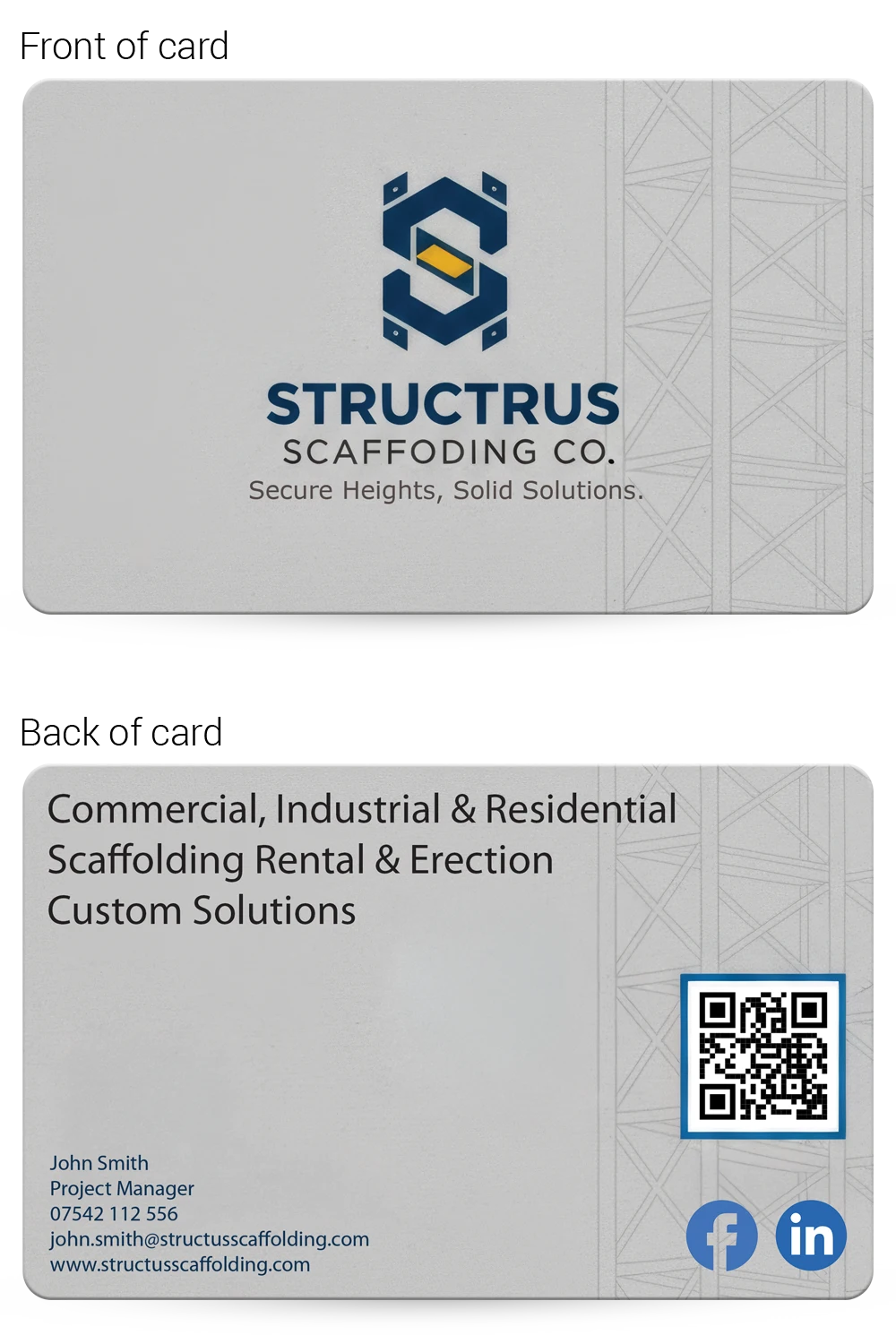
Scaffolding
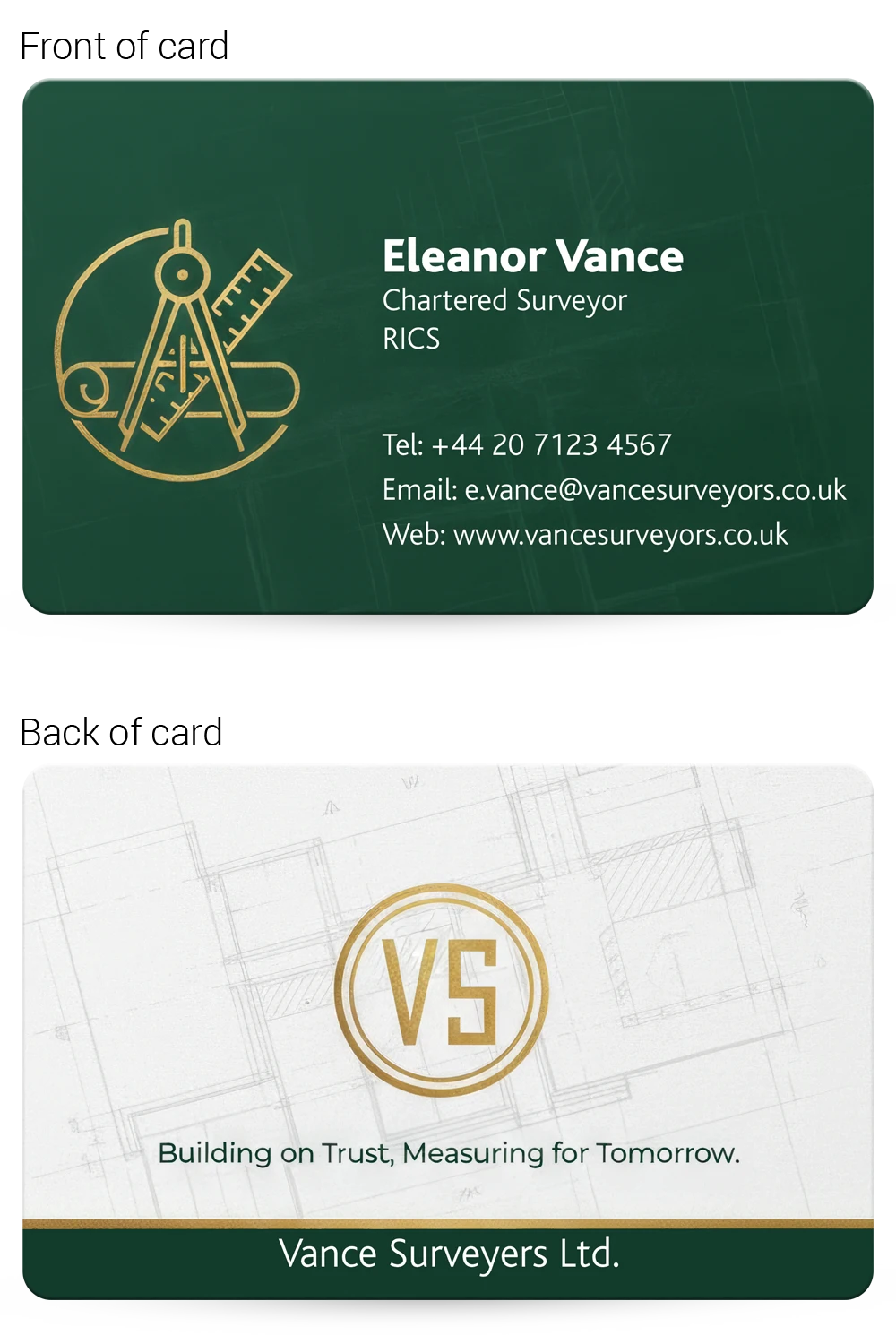
Surveyor
Why a Plastic Business Card Gets Kept
The entire case for a plastic business card is retention, and it is worth being blunt about the comparison. A paper card goes into a pocket, through a wash, into a drawer with forty others, and out with the recycling. It is a consumable, and everybody treats it as one, including the person you handed it to.
A plastic card does not bend, does not stain, does not tear, and does not soften. It goes into a wallet and it stays there, which is a completely different outcome: instead of being a reminder that lasts a week, it is a card that is still there when somebody needs a plumber, a photographer or a solicitor eight months later.
The cards are solid PVC at 86 x 54mm and 0.76mm thick — identical in size and feel to a bank card — printed in full colour on both sides with the design sealed beneath the surface. That last detail is why it still looks new after a year: the print is inside the card rather than on it.
Designing a Plastic Card, Not a Paper One
The most common mistake is sending us a paper business card design unchanged. It usually works, but it rarely takes advantage of what the card can now do.
The reverse is the clearest example. On paper, printing the back is an extra cost, so a great many designs leave it blank out of habit. Here both sides cost the same, and a blank reverse is half a card wasted. A QR code linking to a contact-save file drops your details straight into someone’s phone; linked to a portfolio or a booking page it does more than a printed address ever did. Keep it square and at least 15mm.
The other adjustment is the edges. Cards are cut from a larger sheet with a small tolerance, so keep text, logos and especially borders at least 4mm inside the trim. A thin frame running close to the edge will show any variation as an uneven margin — the designs above tend to either bleed colour right off the card or leave a generous margin instead.
Artwork wants to be 300dpi at final size and supplied in CMYK rather than RGB, since bright blues and greens shift most in conversion.
Choosing a Finish for Your Trade
The examples on this page run across dozens of trades and professions, and a pattern emerges. Trades whose work is judged on trust and clarity — tradespeople, healthcare, logistics, financial services — tend to do best on a white card in full colour, where a photograph, a clear phone number and an accurate brand colour all reproduce exactly.
Work bought on impression rather than specification tends to go the other way. Designers, photographers, event and wedding planners, salons and hospitality often choose satin black with foil or a frosted translucent card, where the card itself says something before it is read. Both are hot foil printed, so they suit logos and type rather than photographs.
Metallic gold and silver cards sit at the top of that range and work best with a sparse design that leaves the reflective base showing.
Minimum order is 25 cards with free UK delivery, every card is made here in England, and we email a free photorealistic proof before a single card is printed — so you can see the finish working with your design before committing to it.
Plastic Business Card FAQs
What size and thickness are plastic business cards?
86 x 54mm and 0.76mm thick — solid PVC, identical in size and feel to a bank card, with rounded corners.
Is printing the back extra?
No. Both sides cost the same, which is different from paper printing. Leaving the reverse blank out of habit wastes half the card.
What should go on the reverse?
A QR code is the usual answer — linked to a contact-save file it drops your details into someone's phone, and linked to a portfolio or booking page it does more than a printed address. Keep it square and at least 15mm.
Why do designs need to stay 4mm from the edge?
Cards are cut from a larger sheet with a small tolerance. Text, logos and especially thin borders close to the trim will show that variation as an uneven margin.
Can I use my existing paper card artwork?
Usually yes, though it is worth revisiting. Supply it at 300dpi at final size in CMYK rather than RGB, since bright blues and greens shift most in conversion.
Which finish suits my trade?
Work judged on trust and clarity generally suits a full-colour white card. Work bought on impression — design, photography, events, hospitality — more often suits satin black, frosted or metallic, which are hot foil printed and suit logos and type rather than photographs.
What's the minimum order?
25 cards, with free UK delivery included and no setup fees.
Will I see the card before it is printed?
Yes. We email a free photorealistic proof for approval, so you can see your design working with the finish you have chosen before committing.