



White Plastic Card Examples
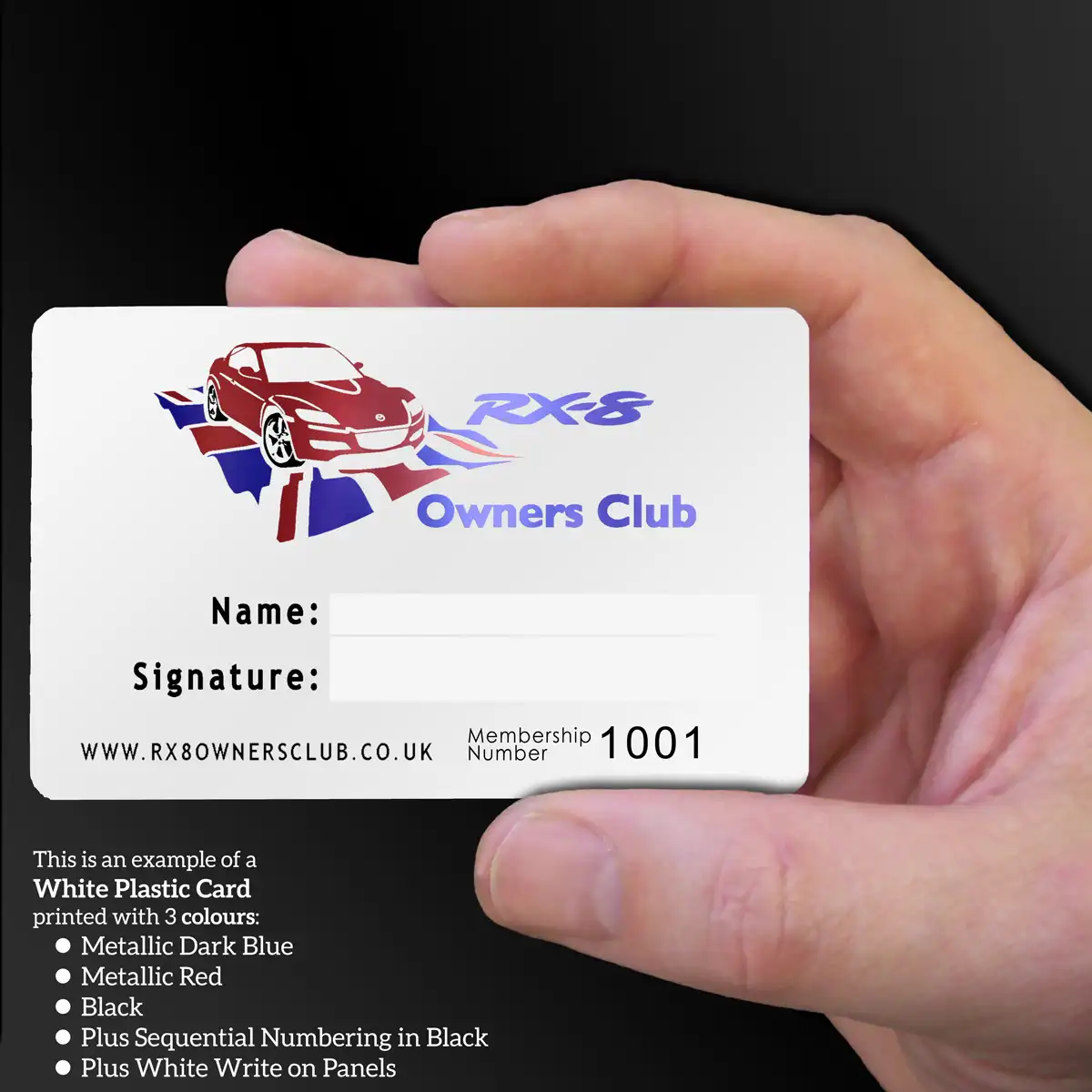
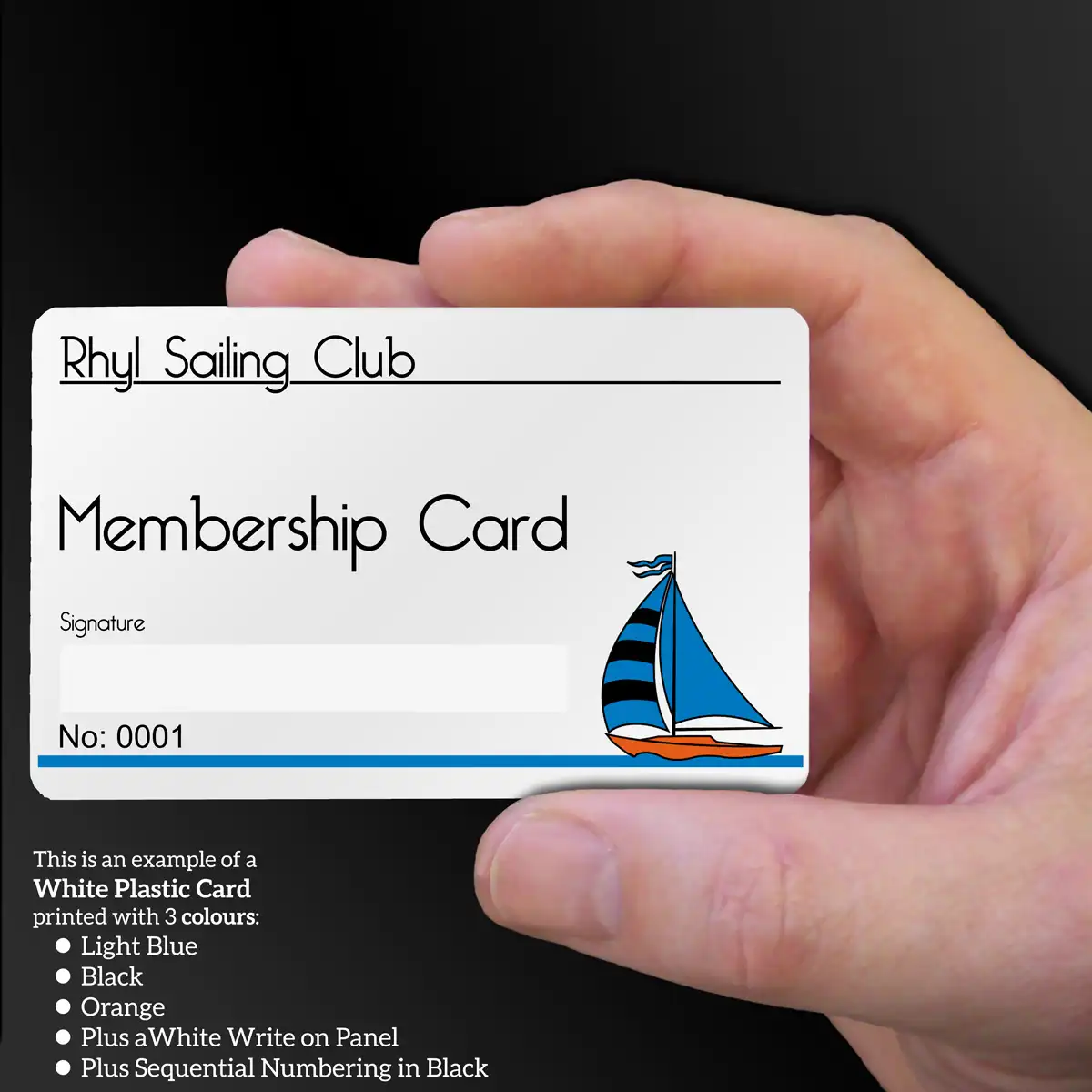
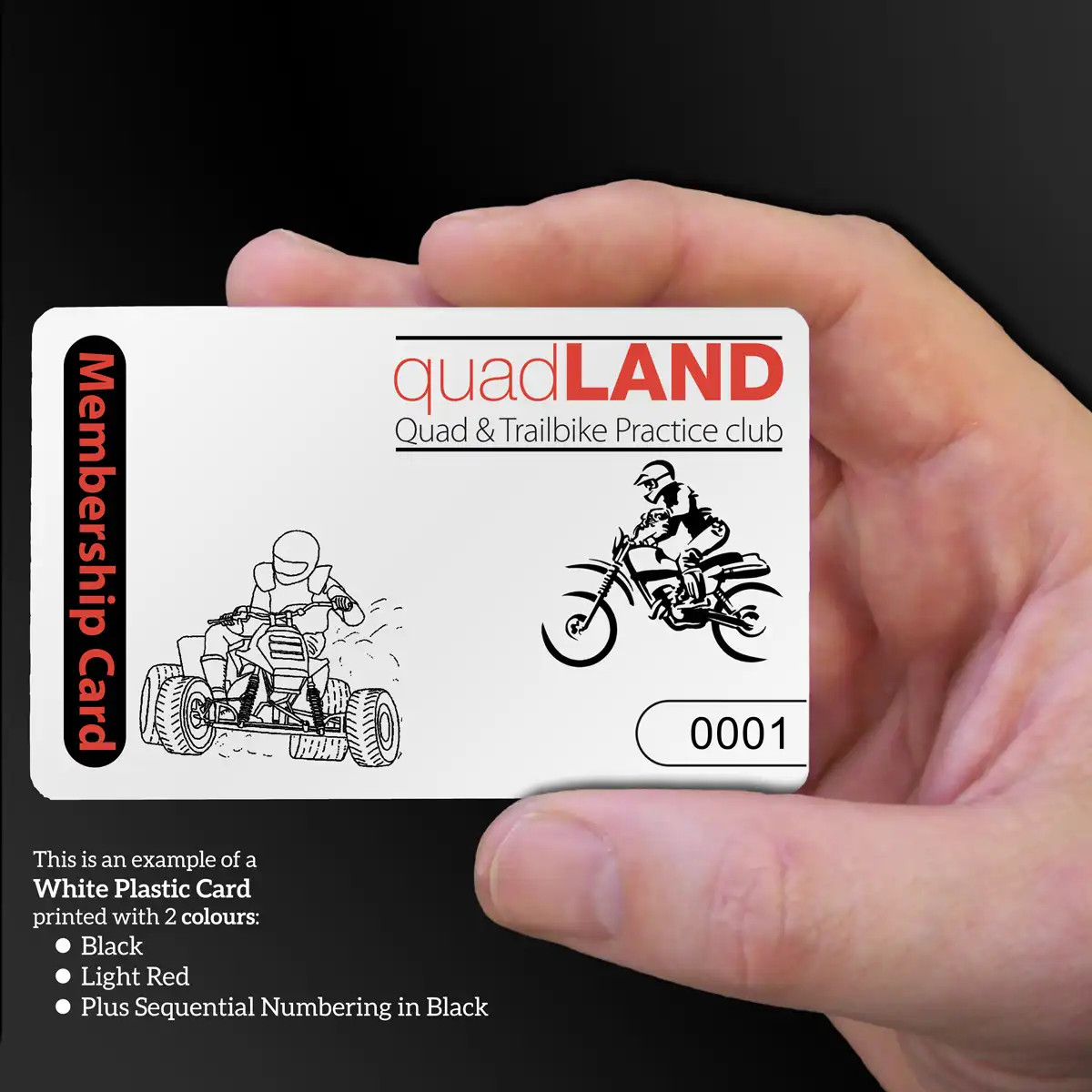
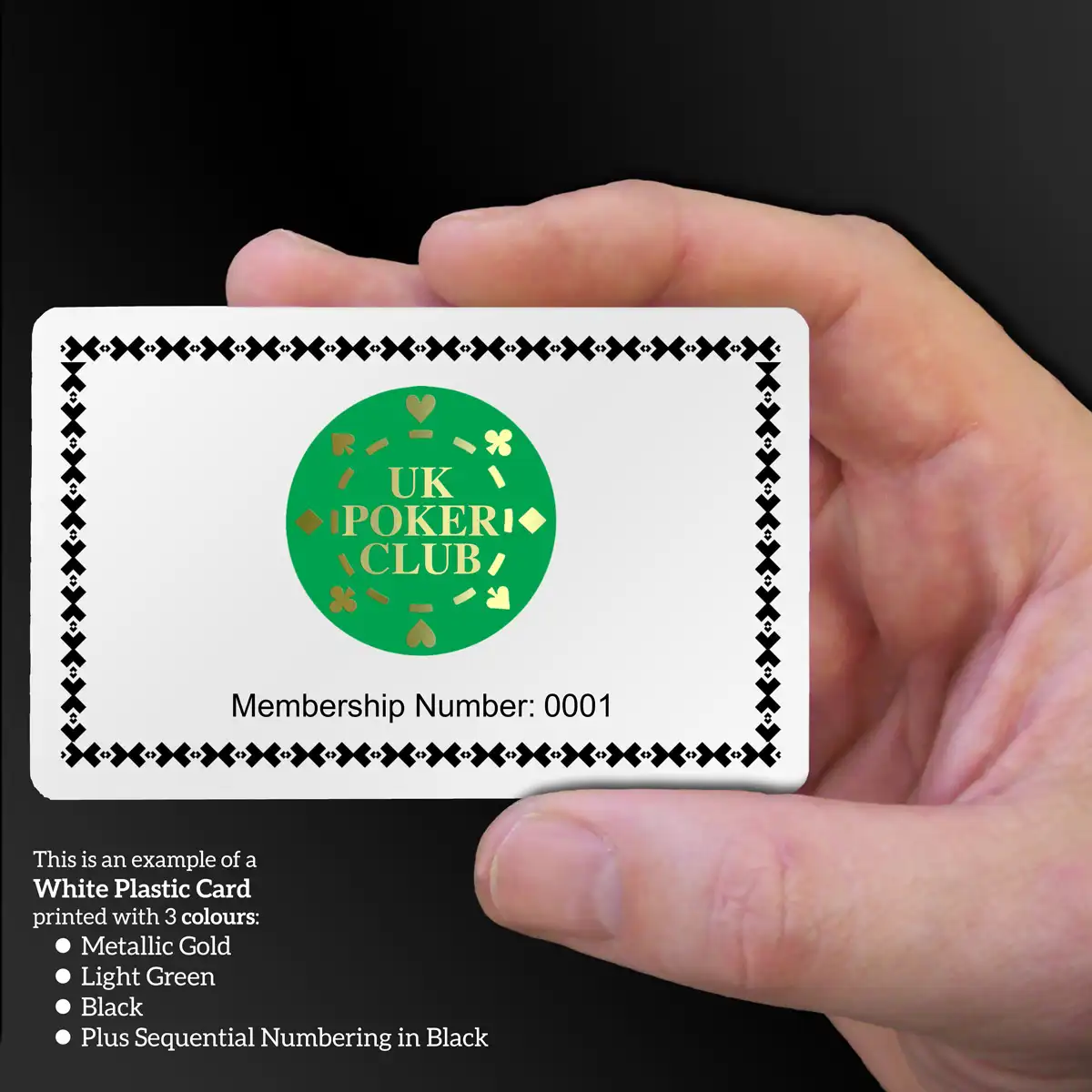
White plastic card design ideas
White plastic cards are the standard base for most membership, loyalty, and gift cards — a blank, opaque surface that shows full-colour printing clearly and works with all common encoding options (barcode, magstripe, QR code). They're the most cost-effective option and the usual default choice unless a club or brand specifically wants a premium finish such as frosted, satin black, or metallic.
Do you see a design that you like?
Love one of our examples? Let’s use it as inspiration!
If you spot an example design that catches your eye, we can use it as a starting point to create your own design.
We’ll tailor the layout, colours, logos, and text to suit, all included as part of our Design Service.
Just tell us what you like and send over any logos and pictures, and we’ll do the rest.


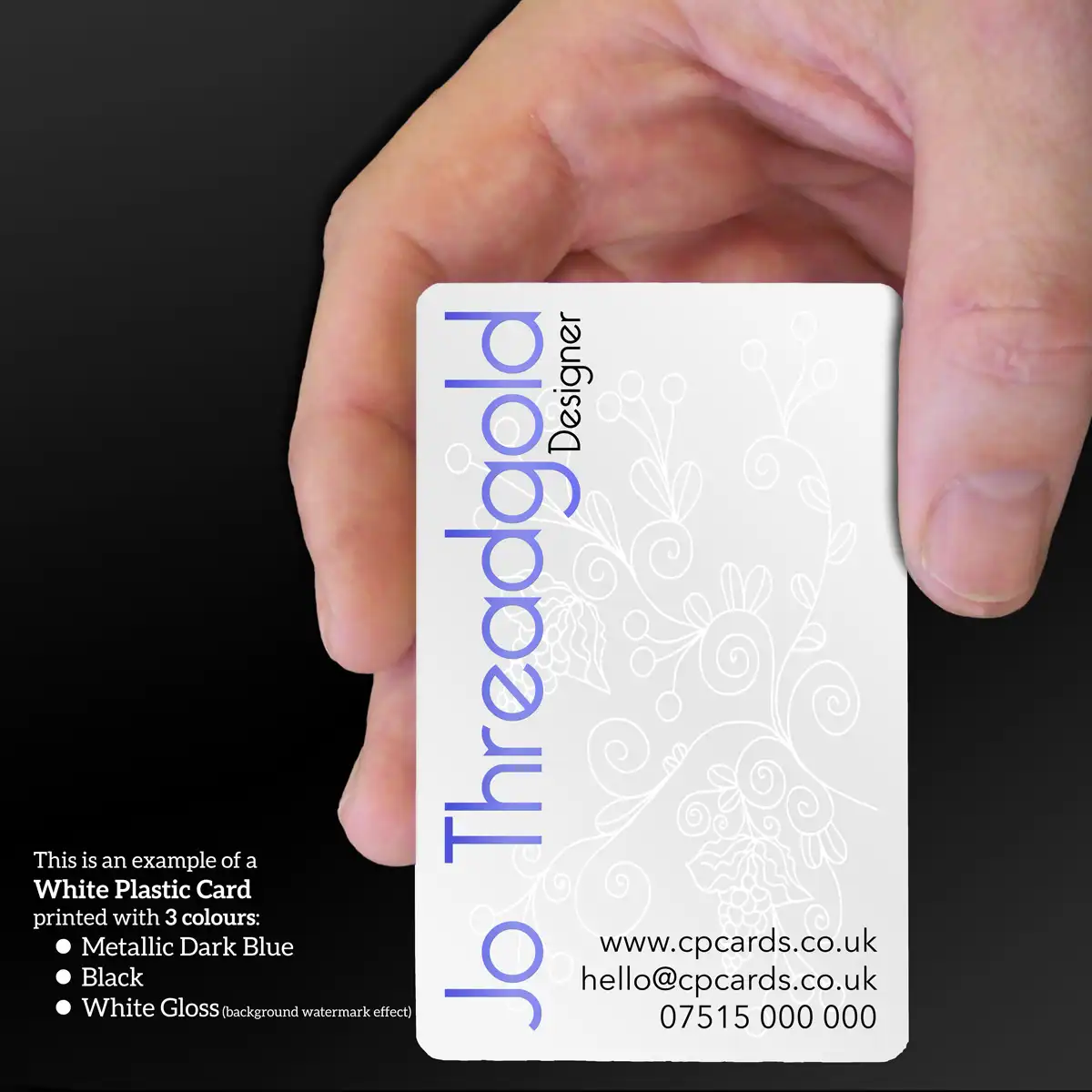
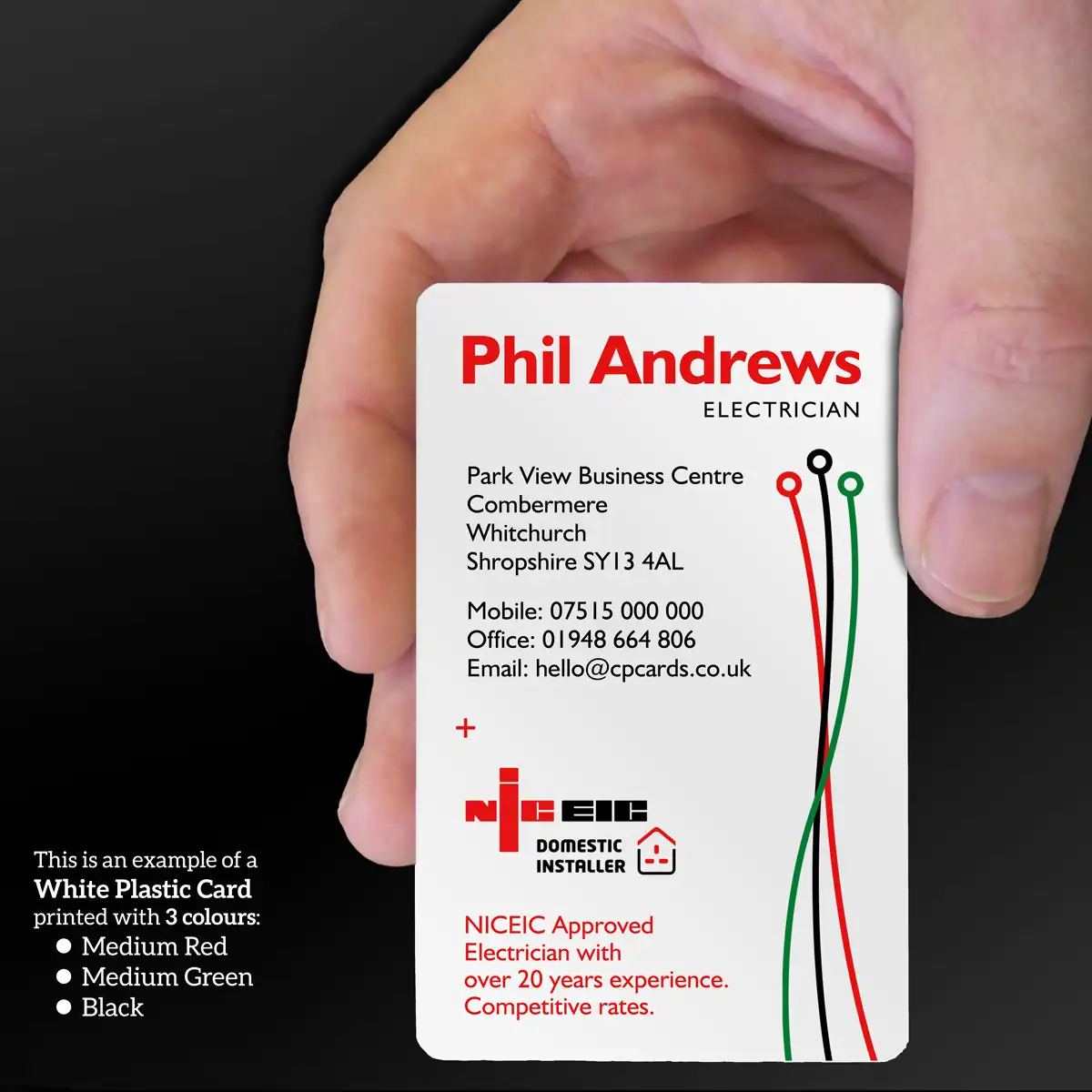
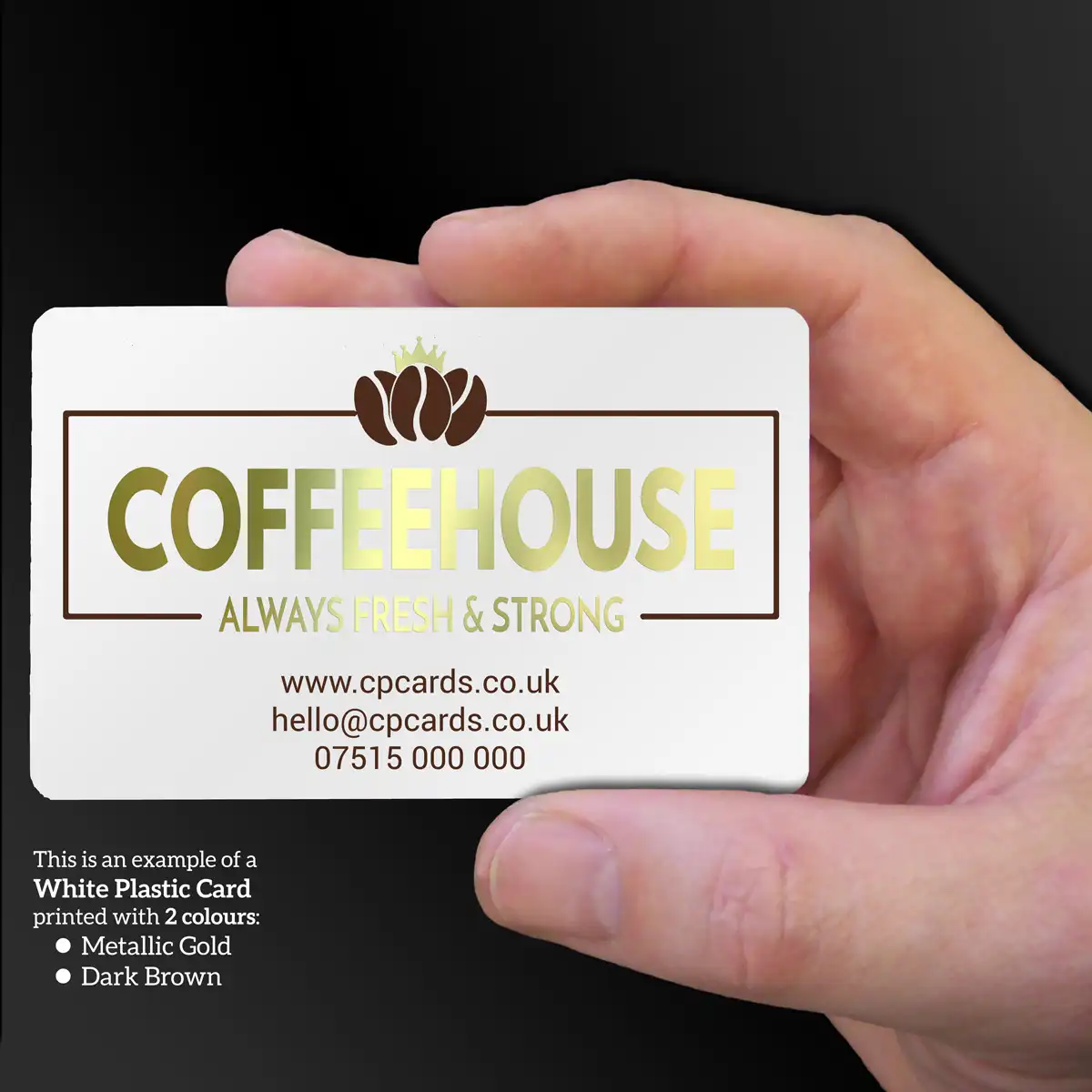
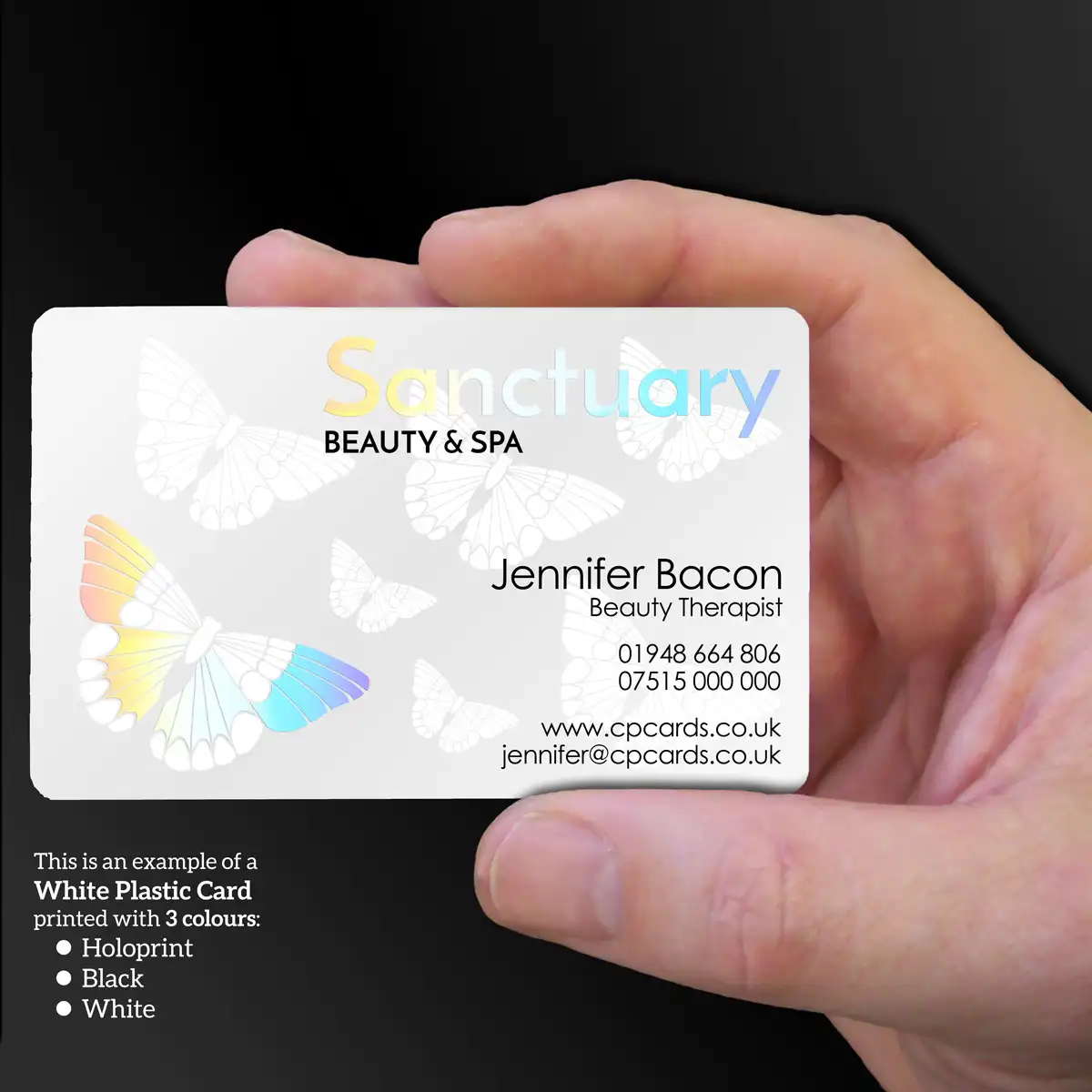

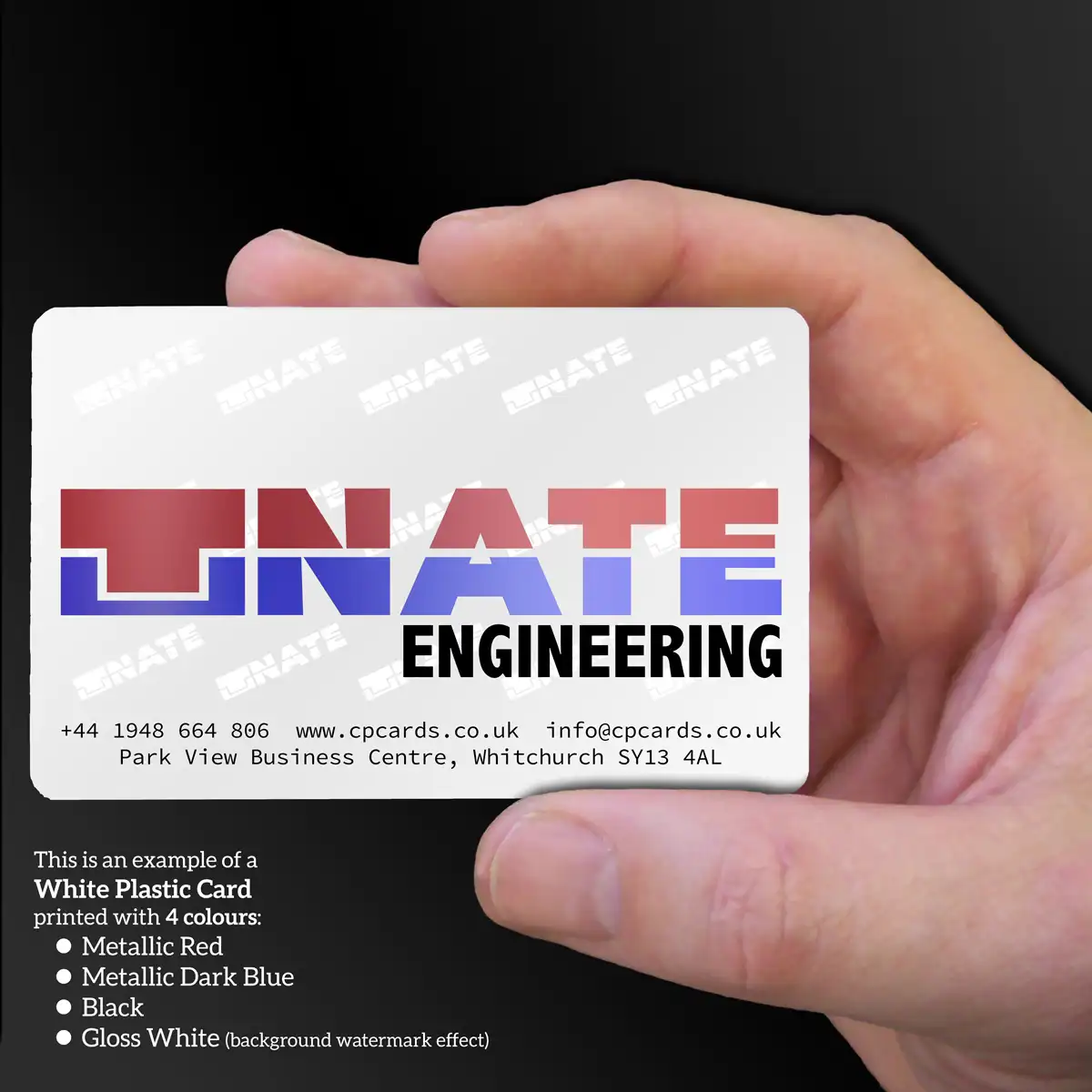
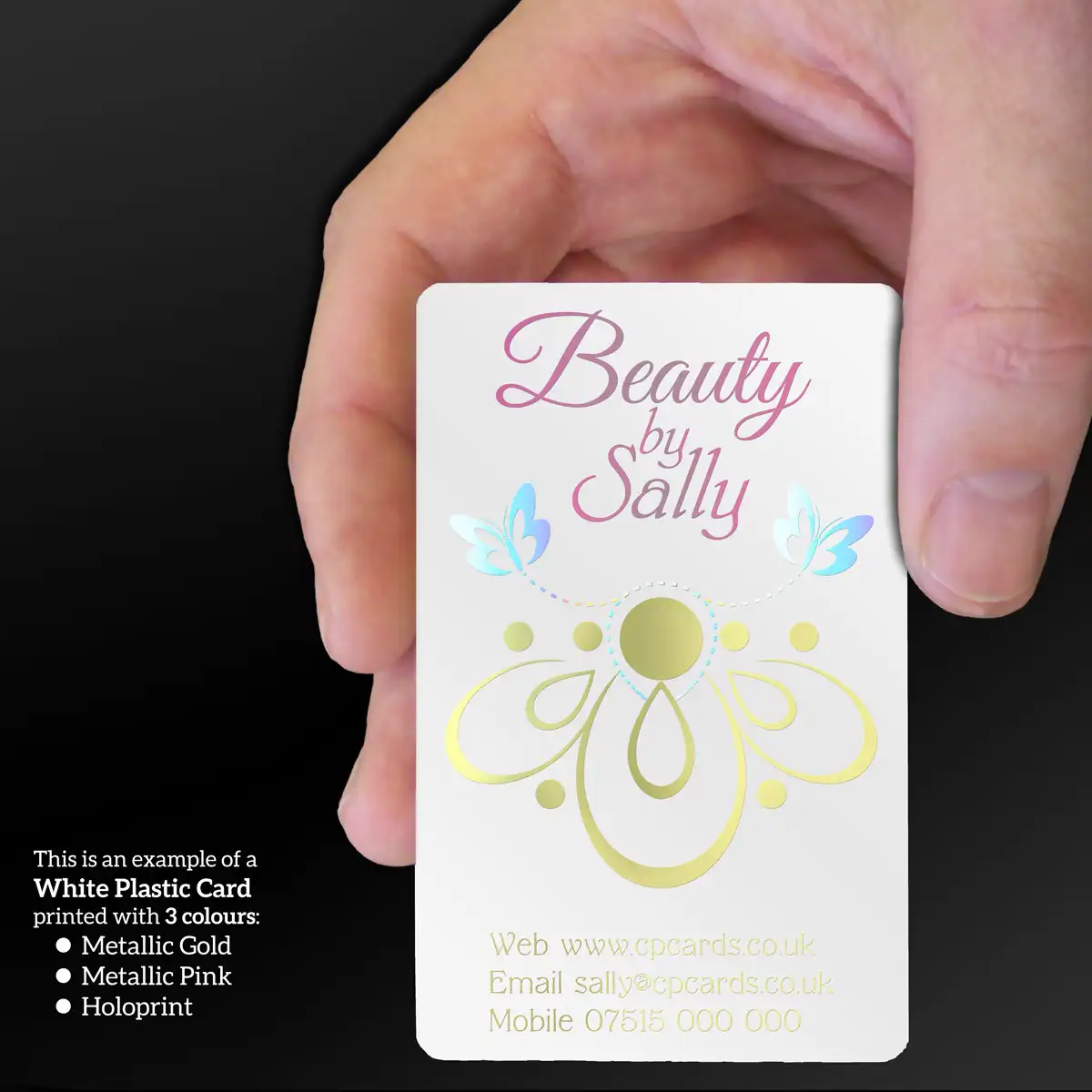
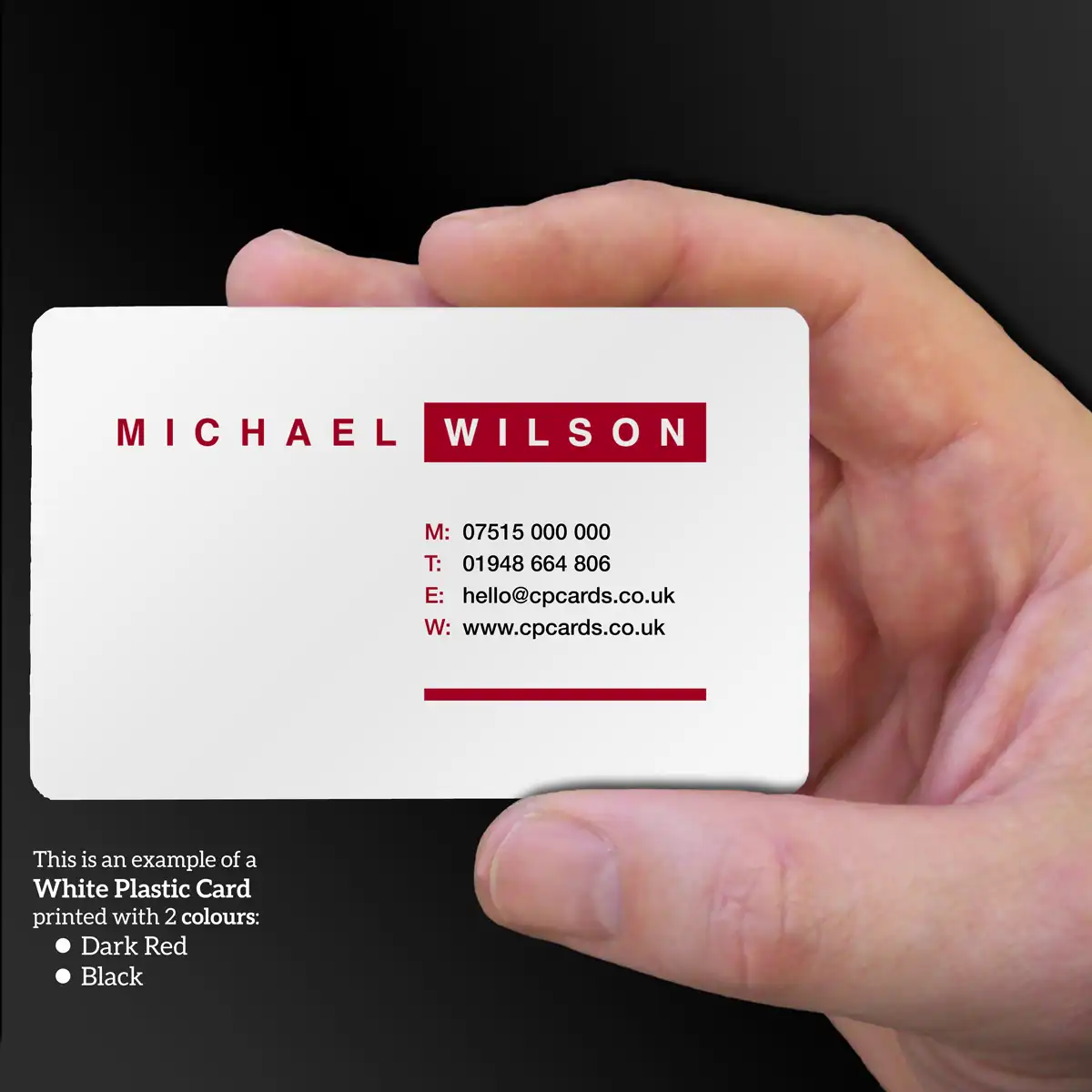
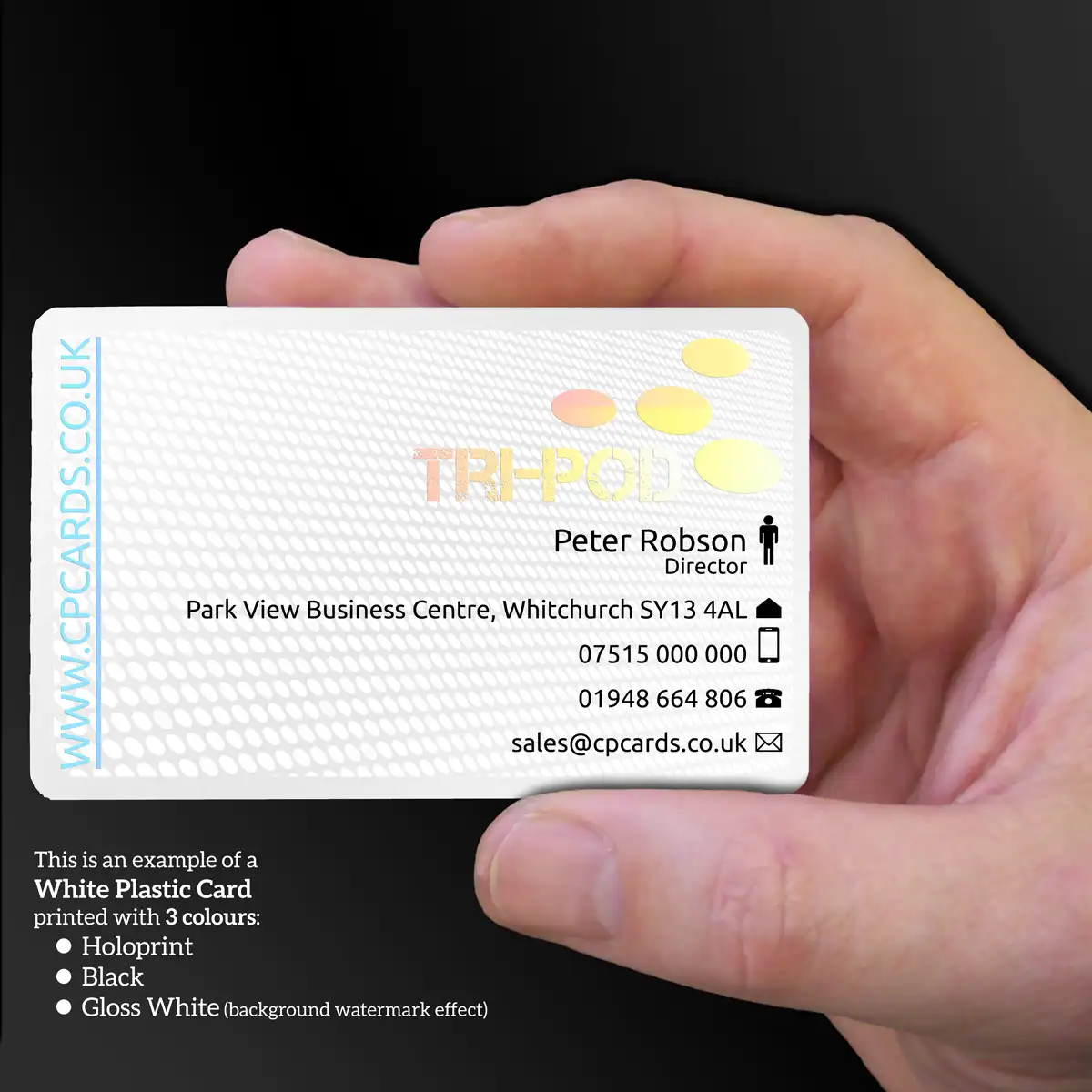
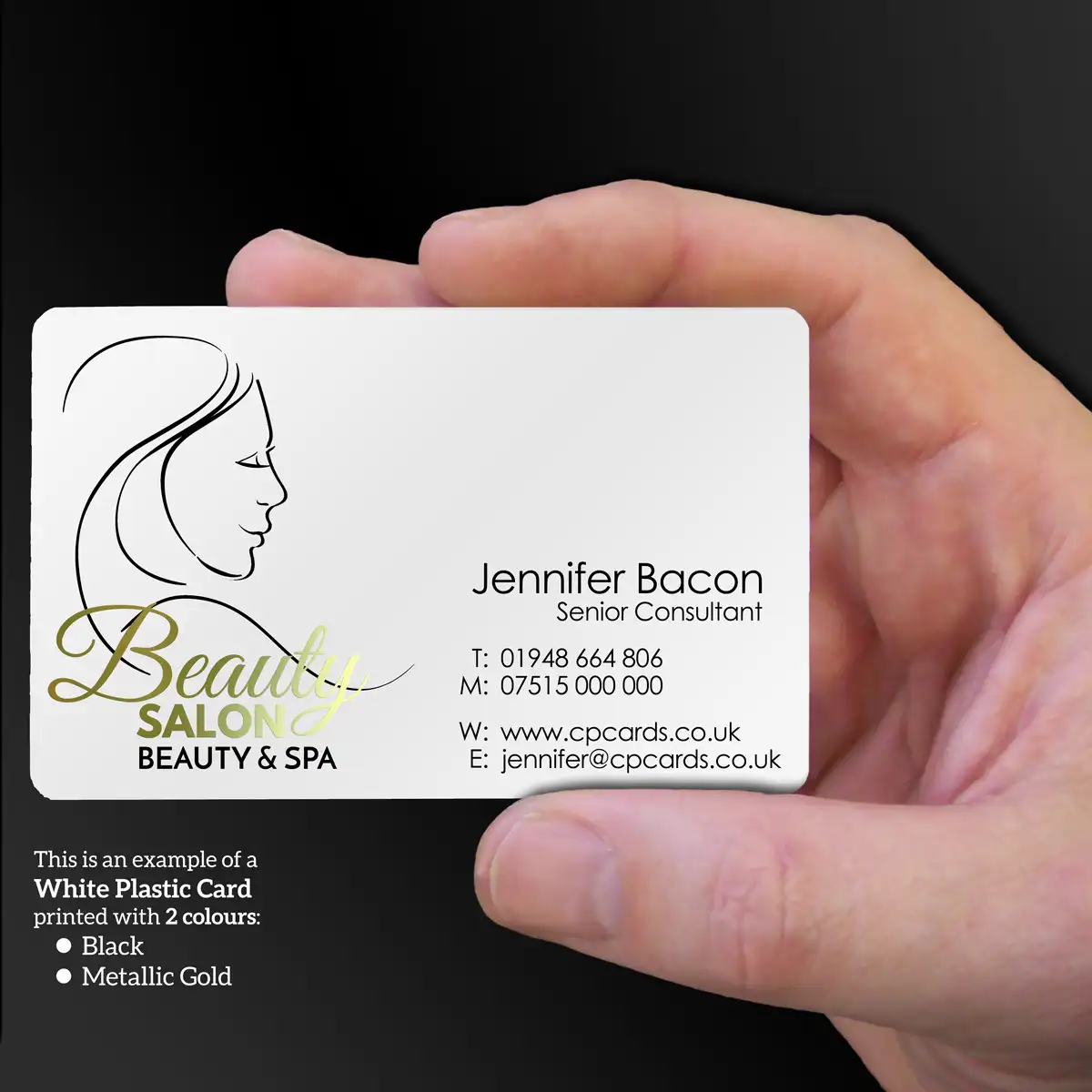
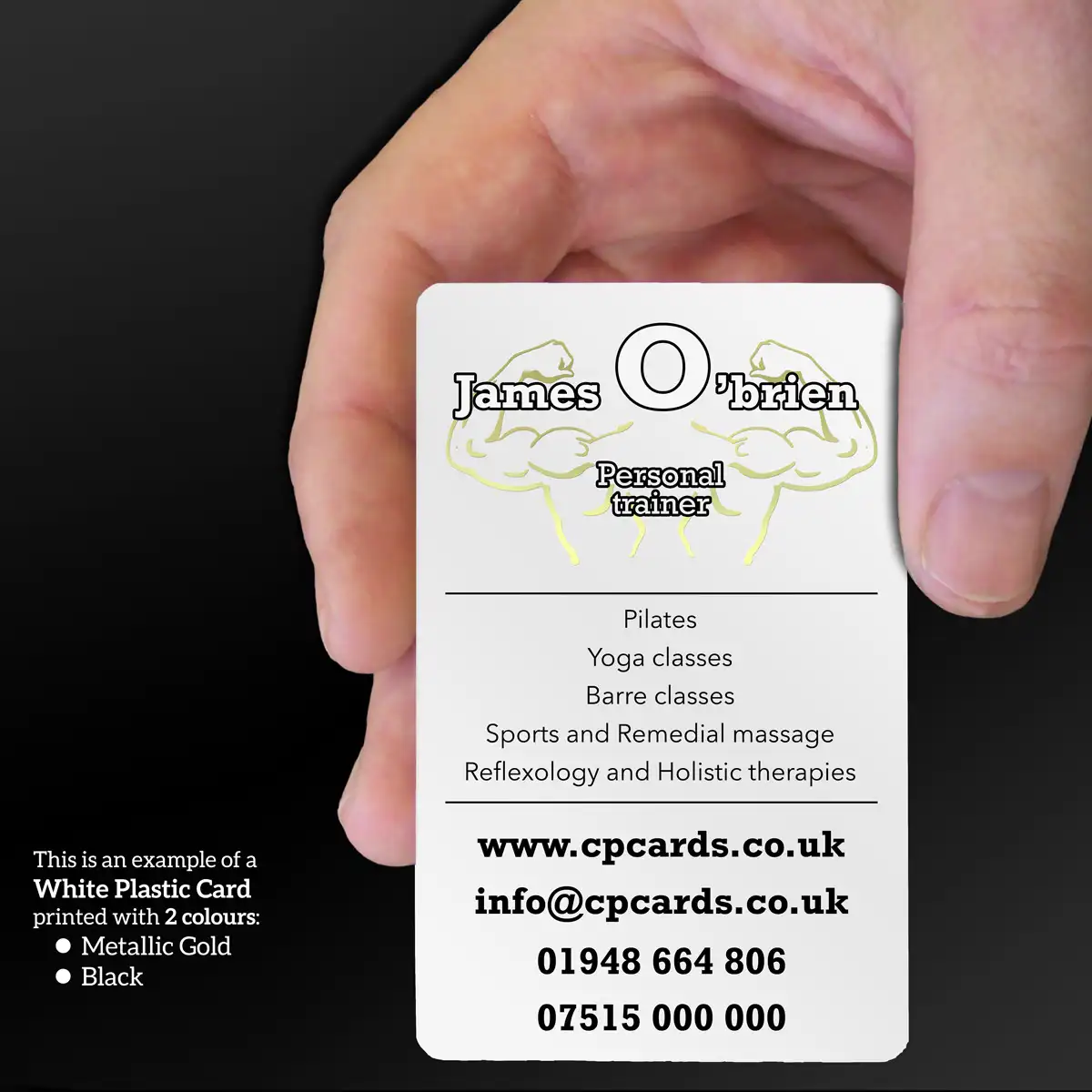
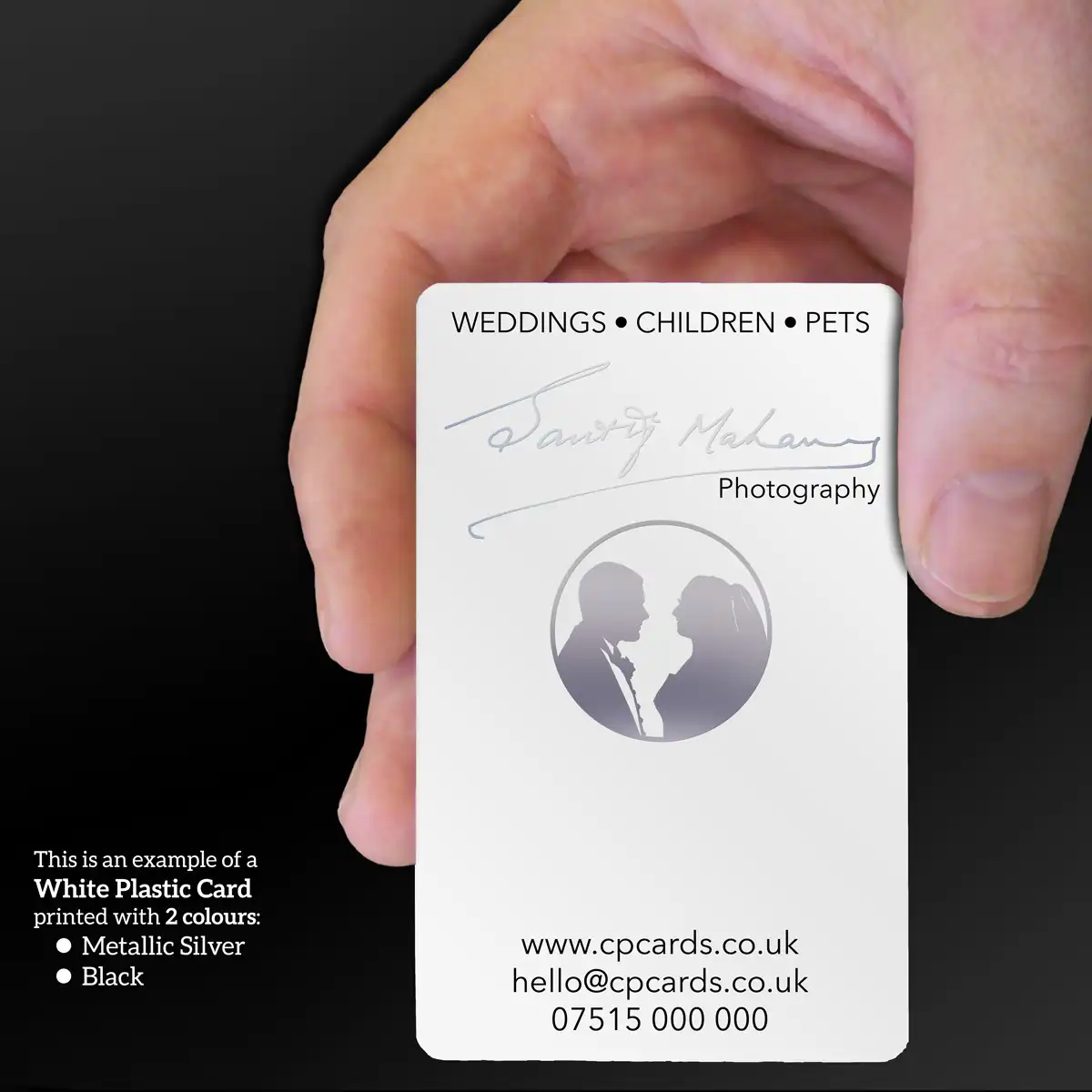
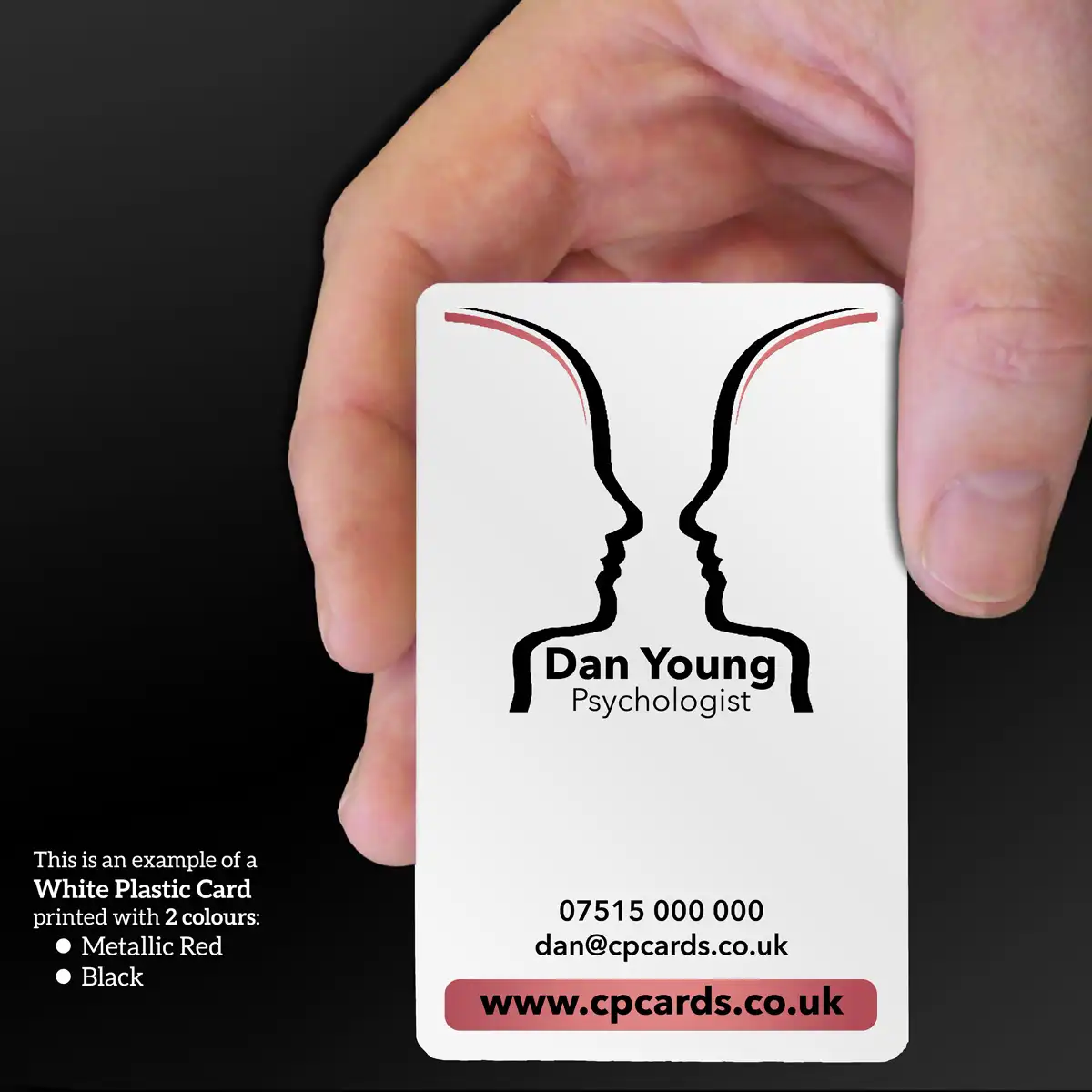
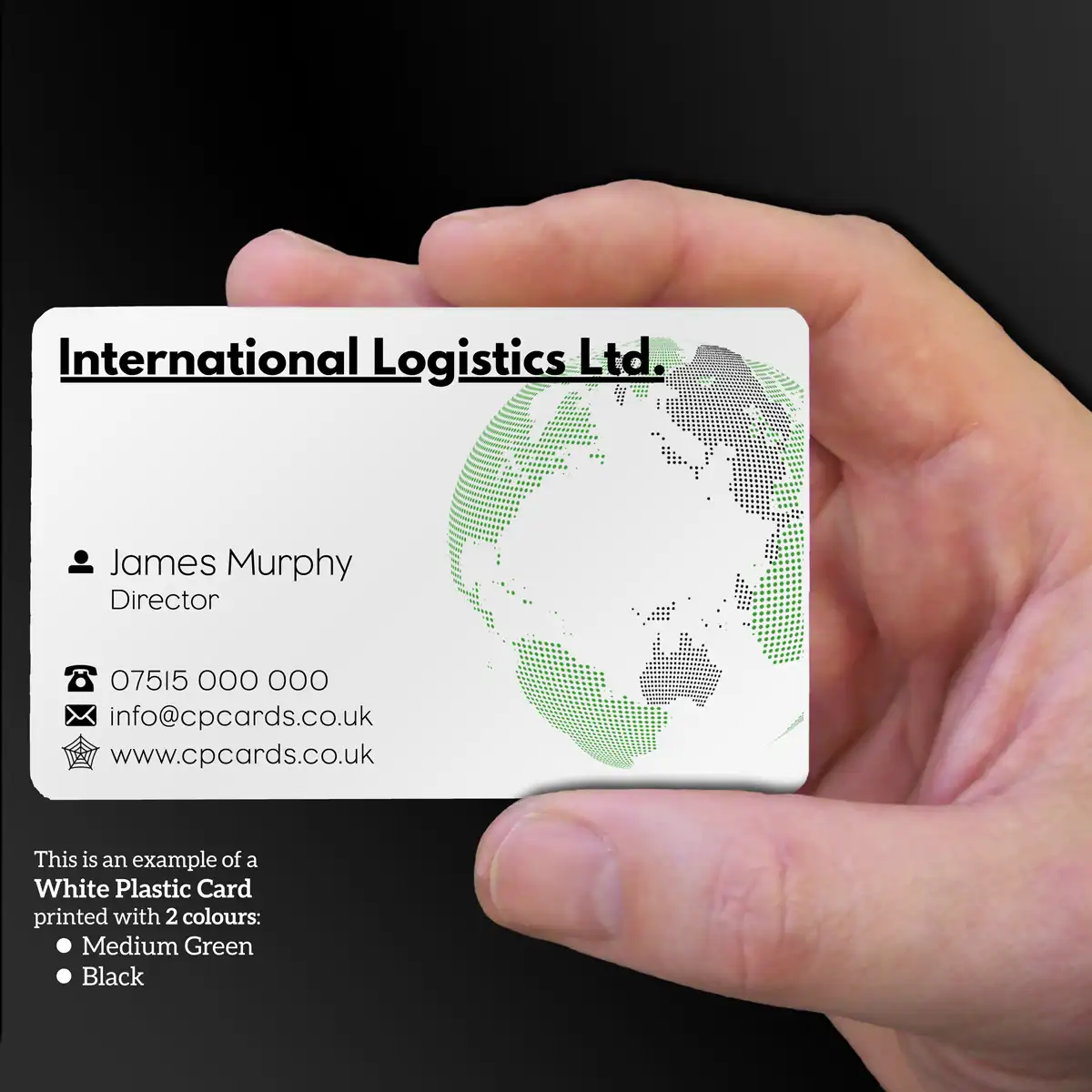
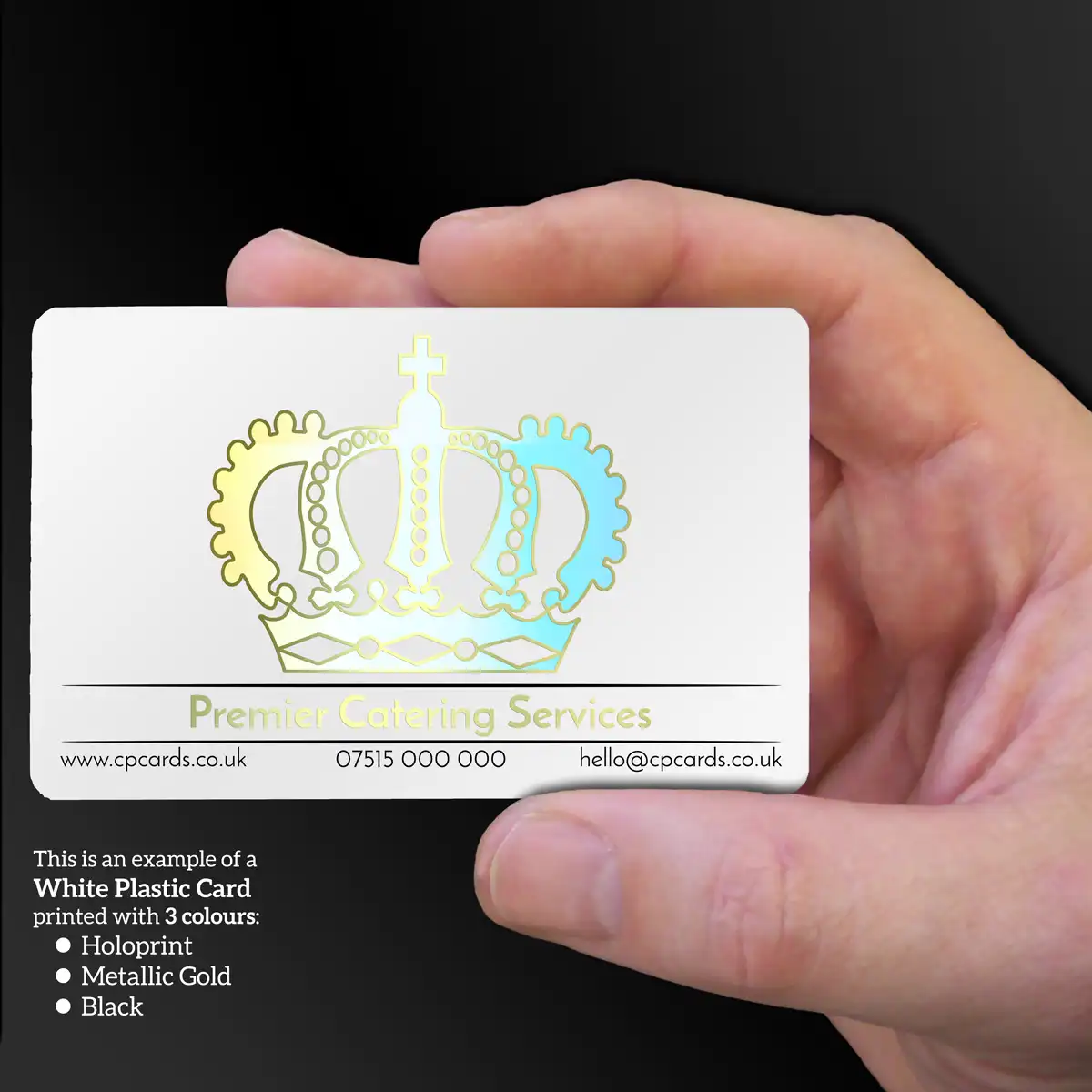
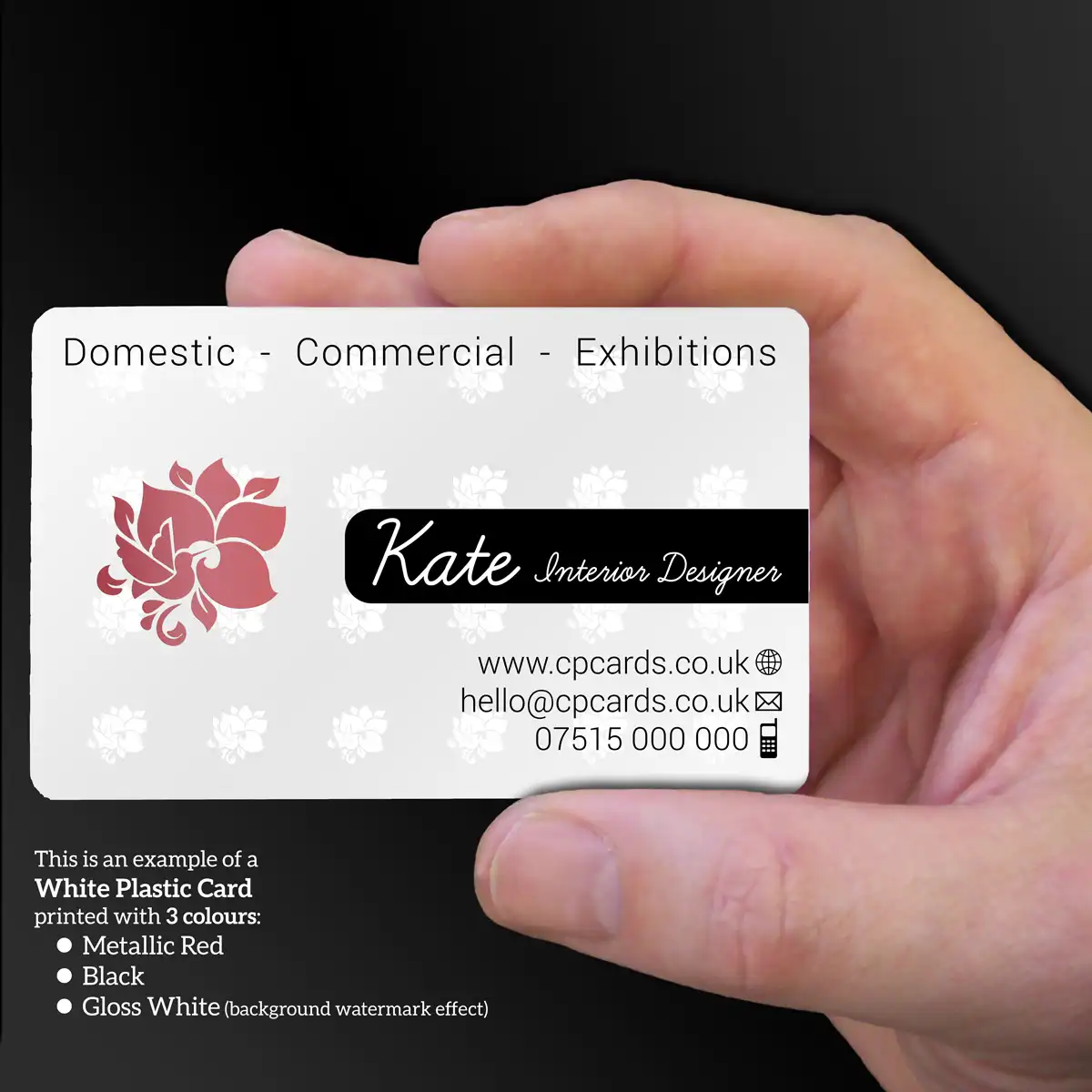

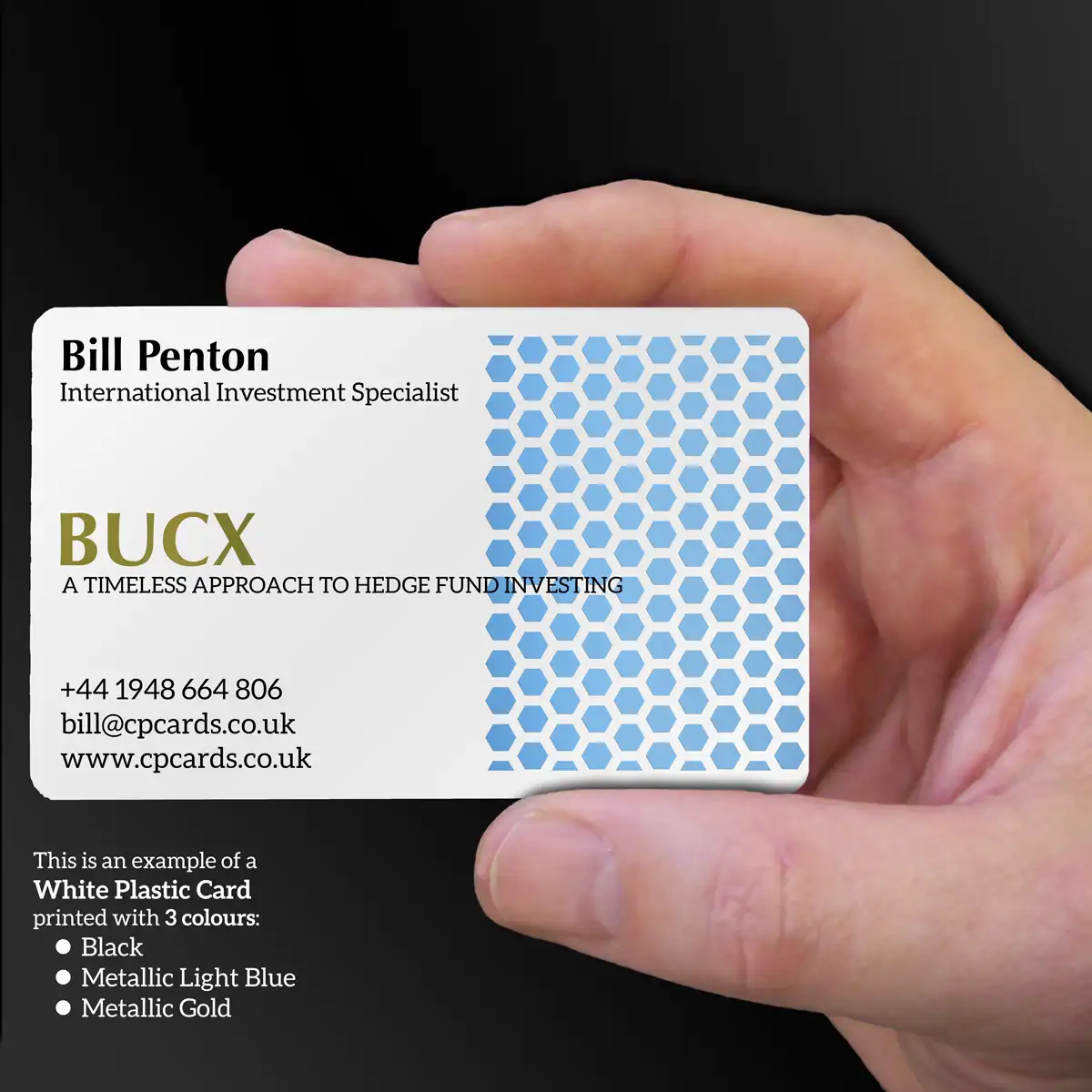
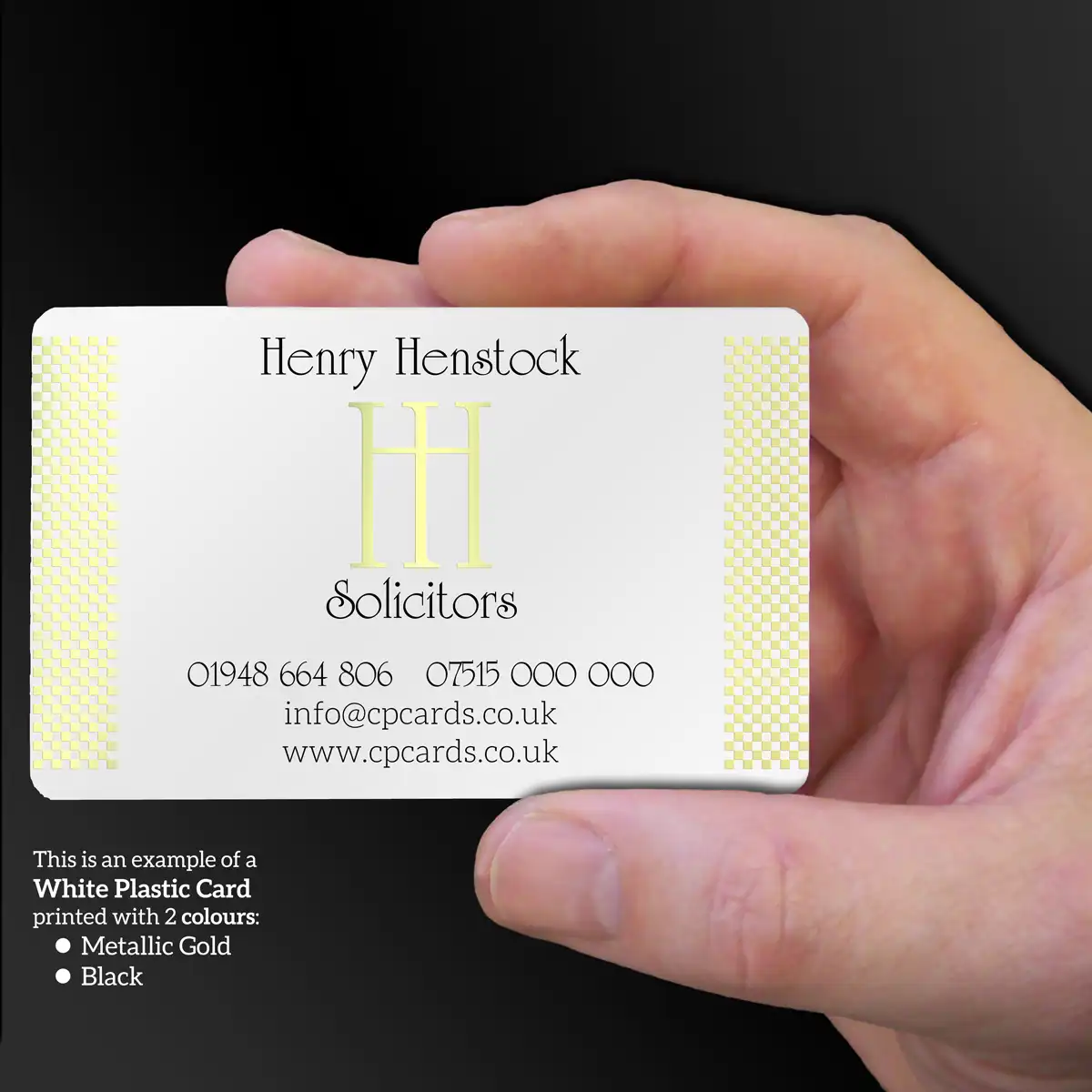
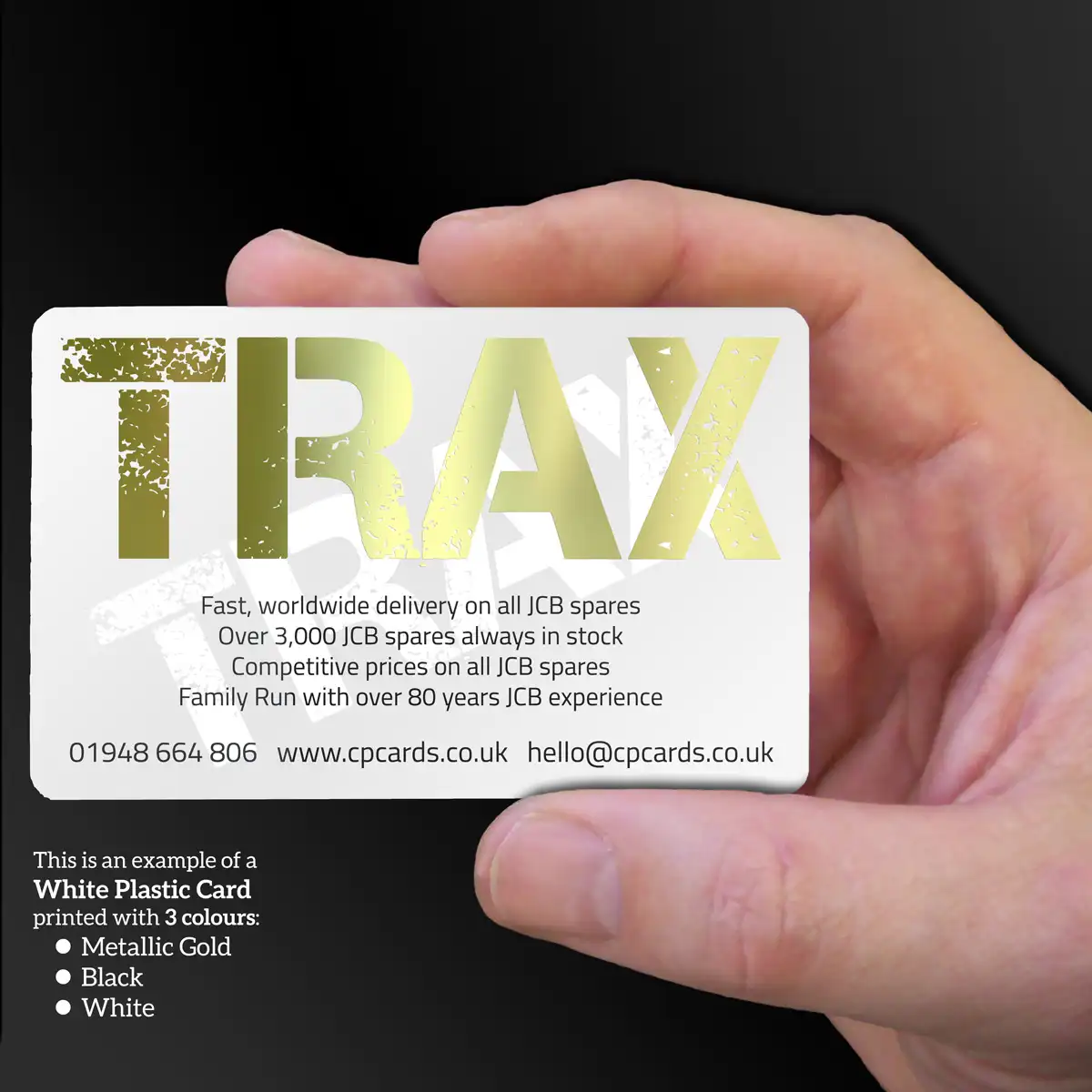
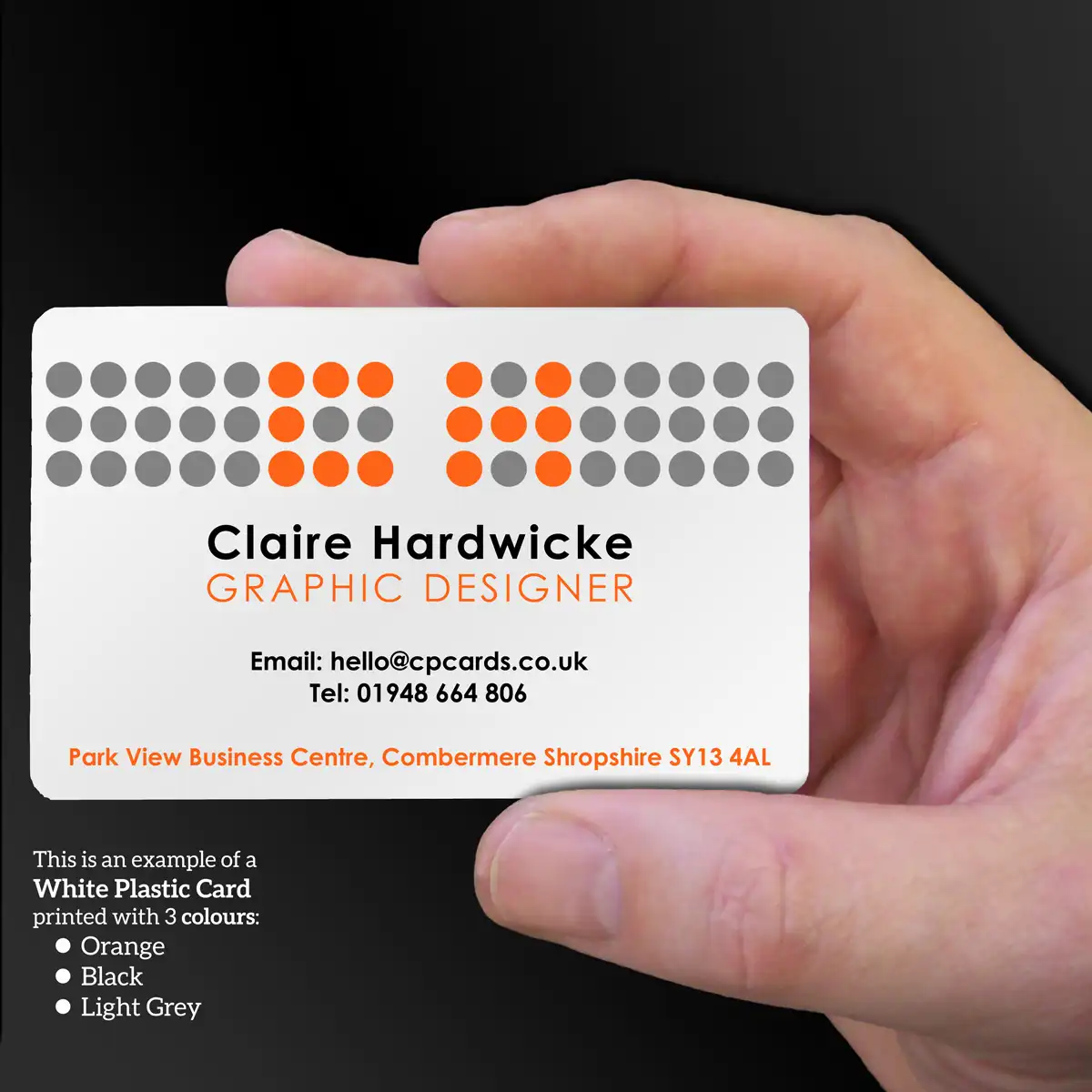
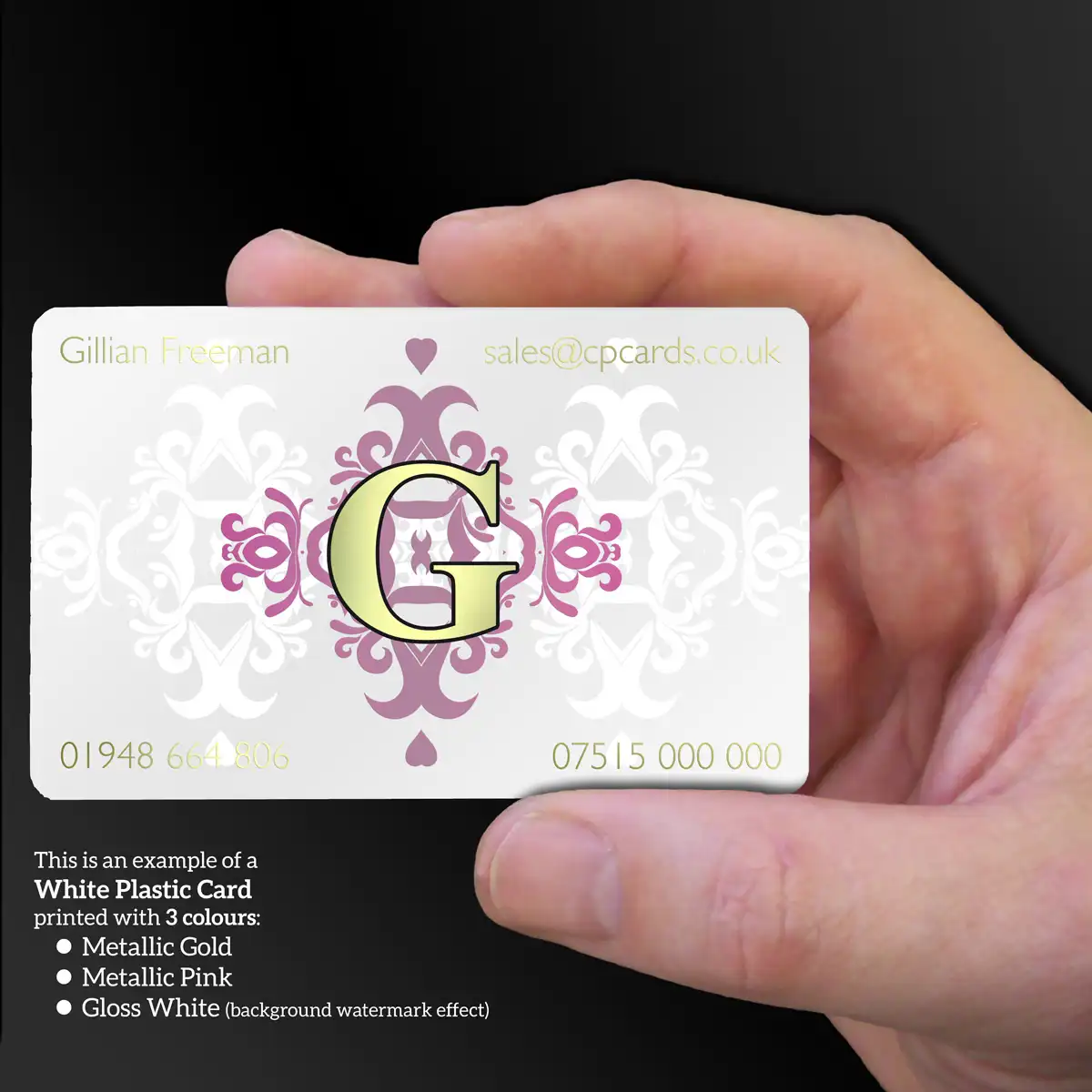
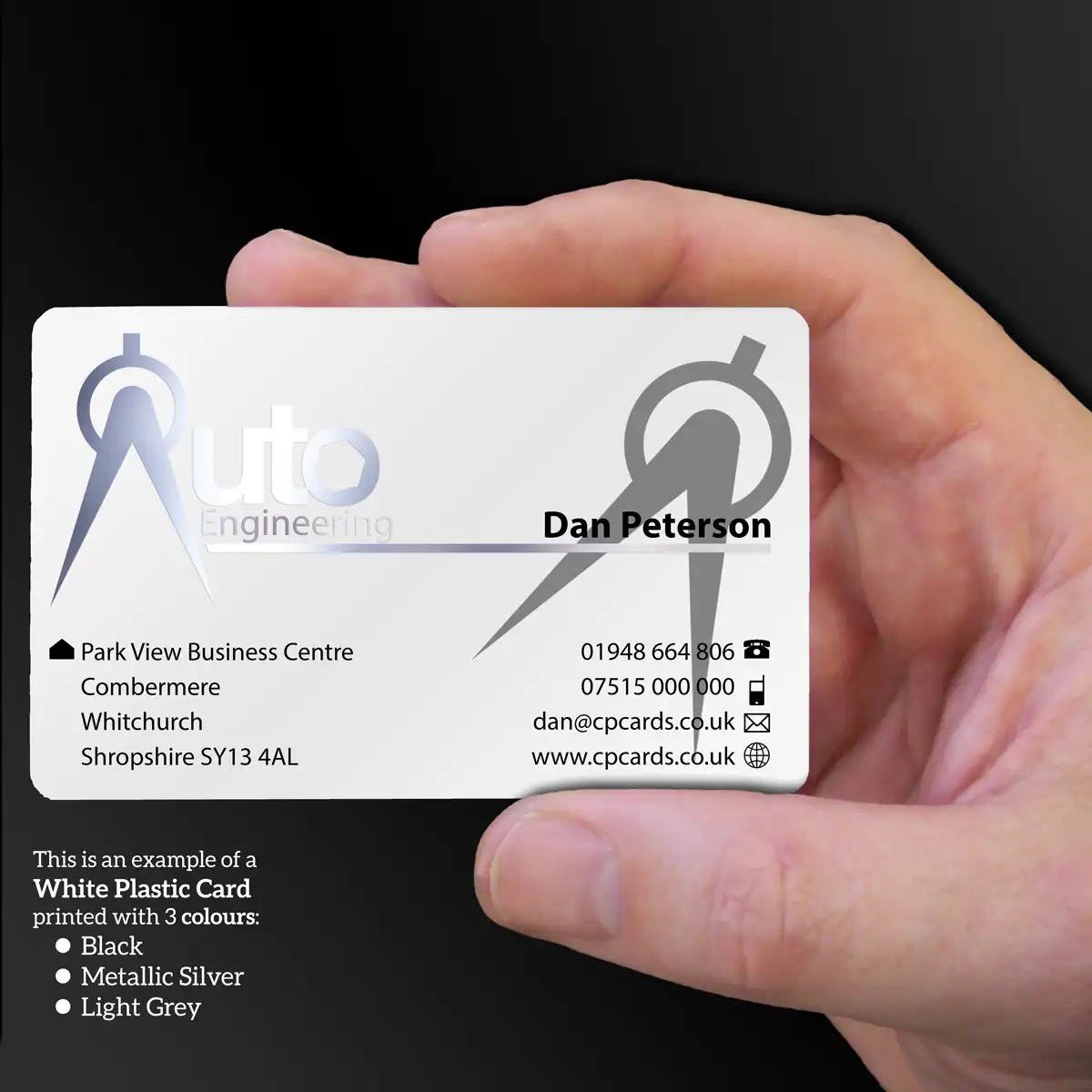
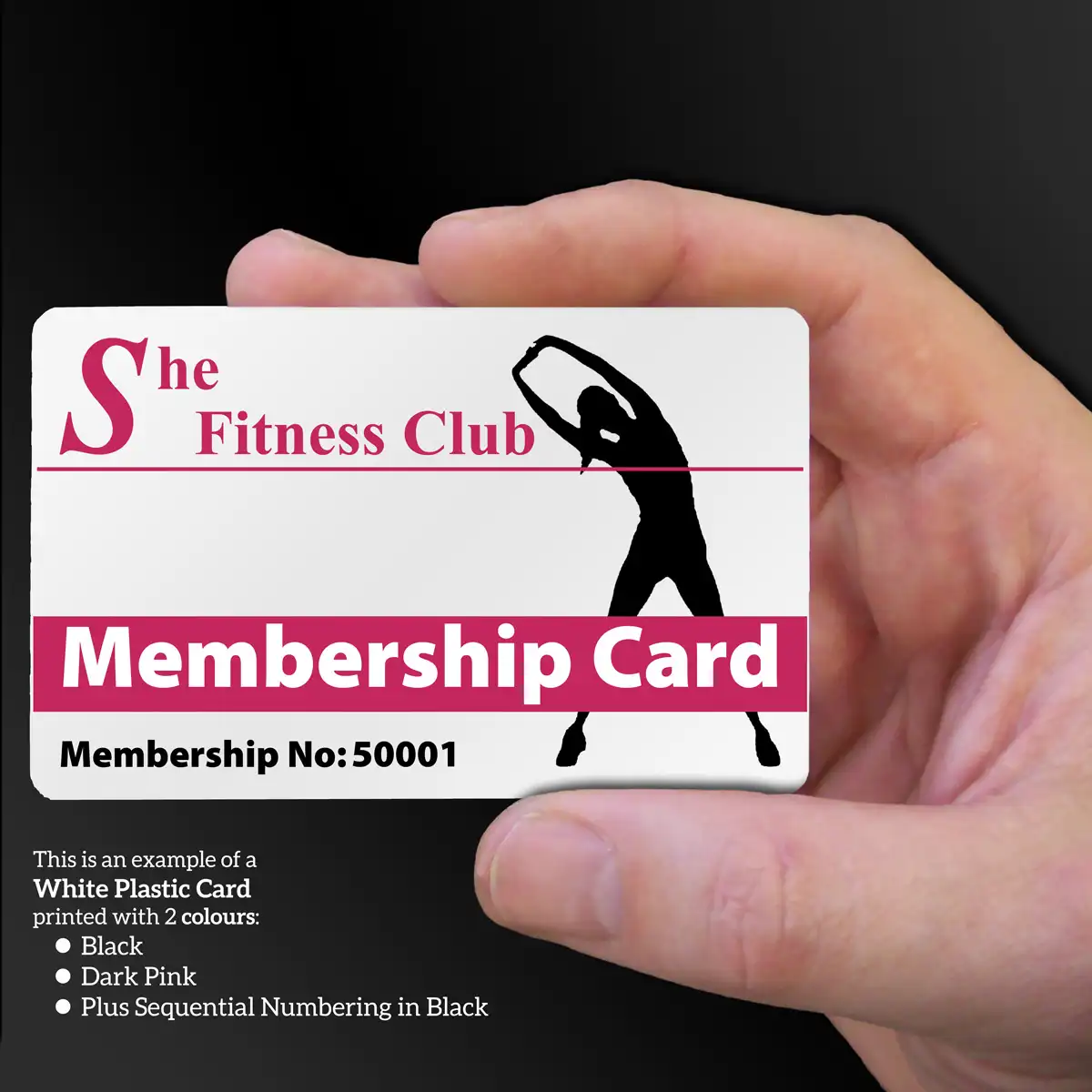
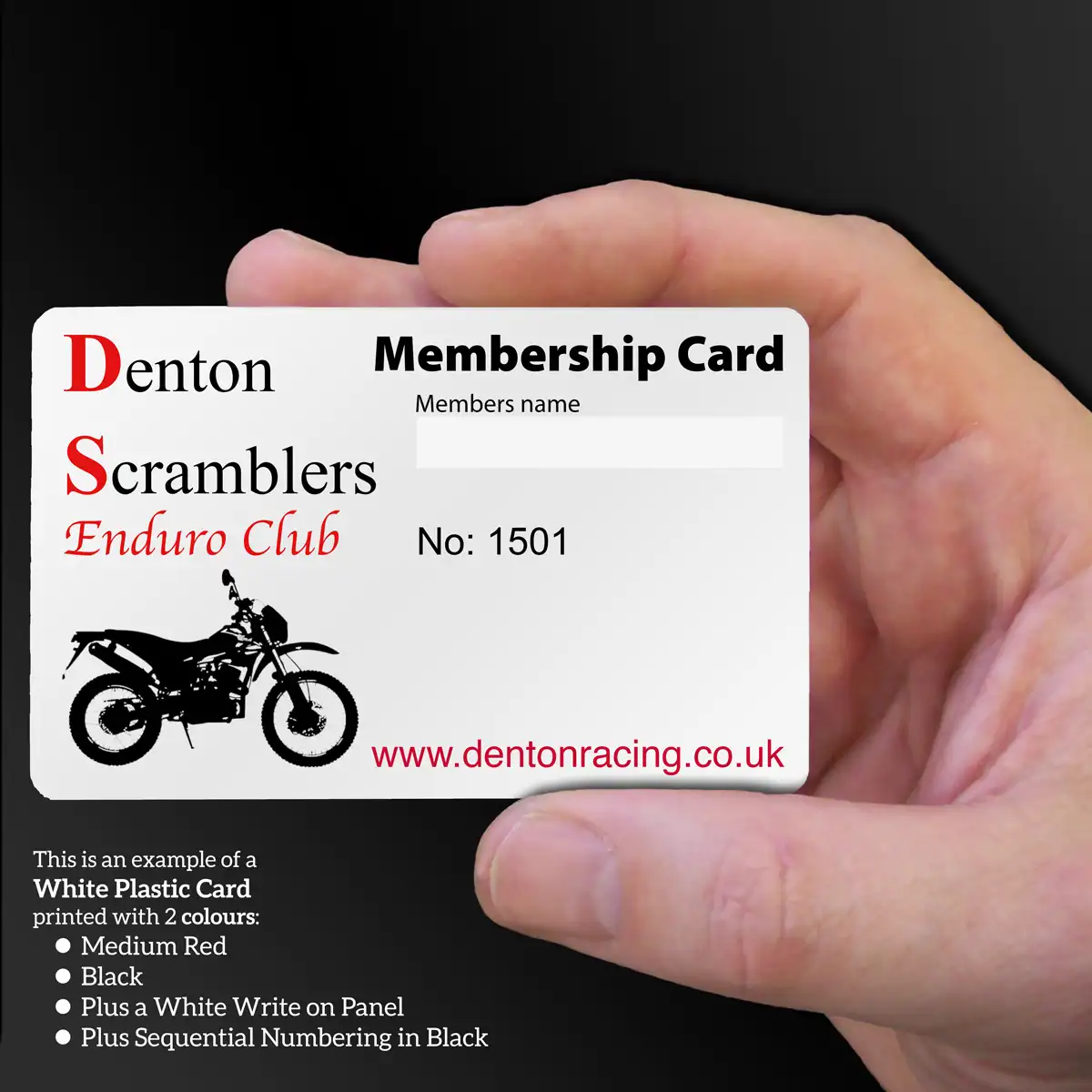
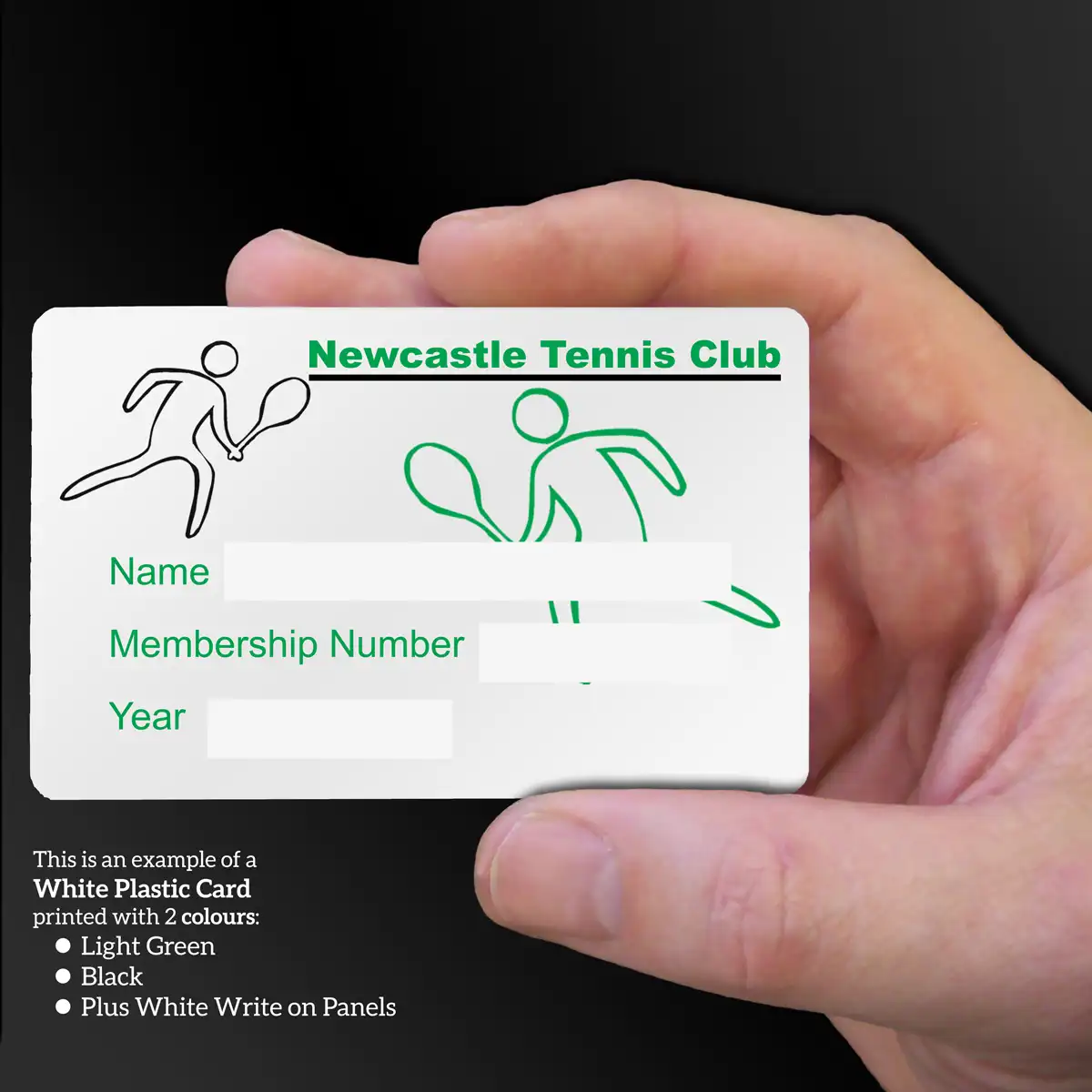
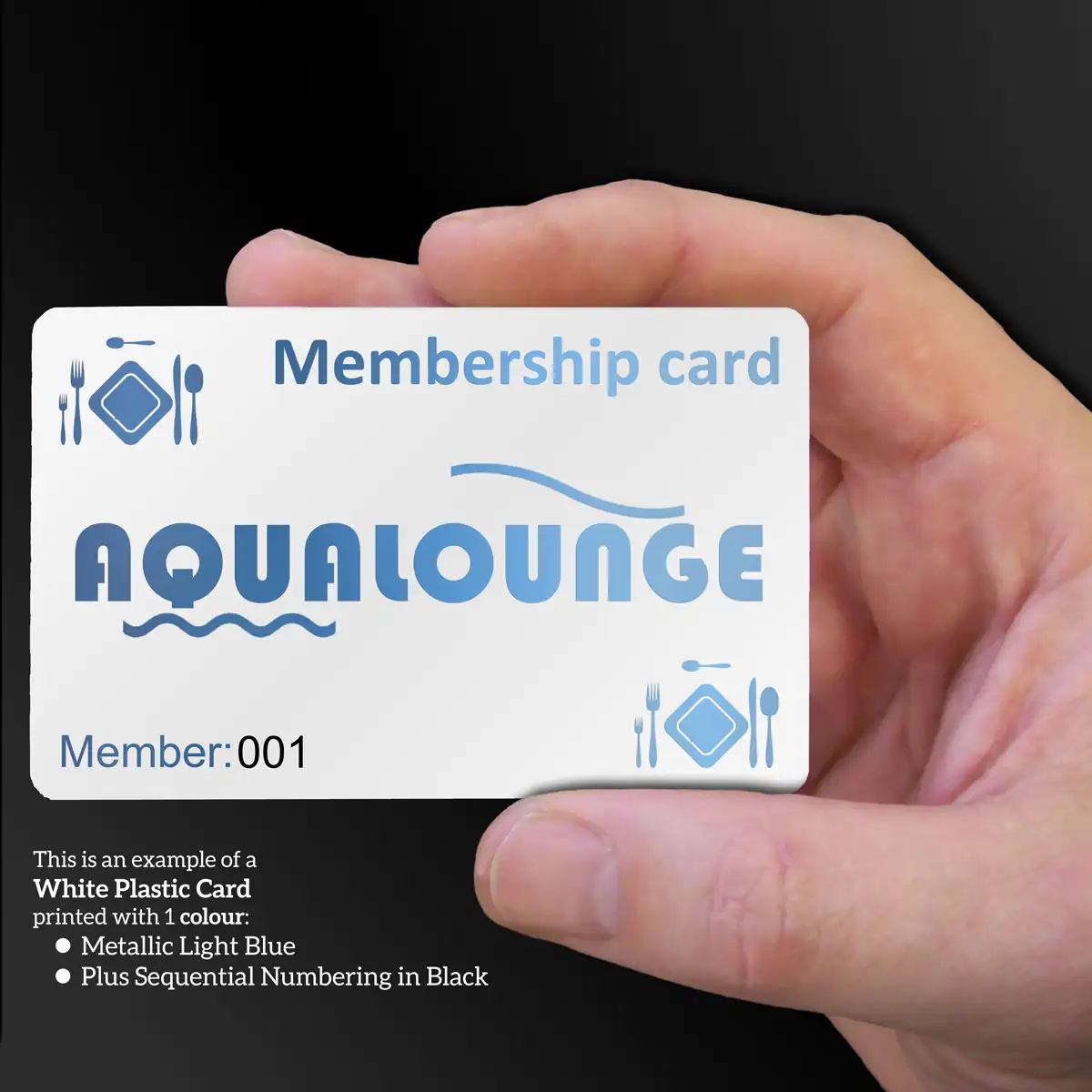
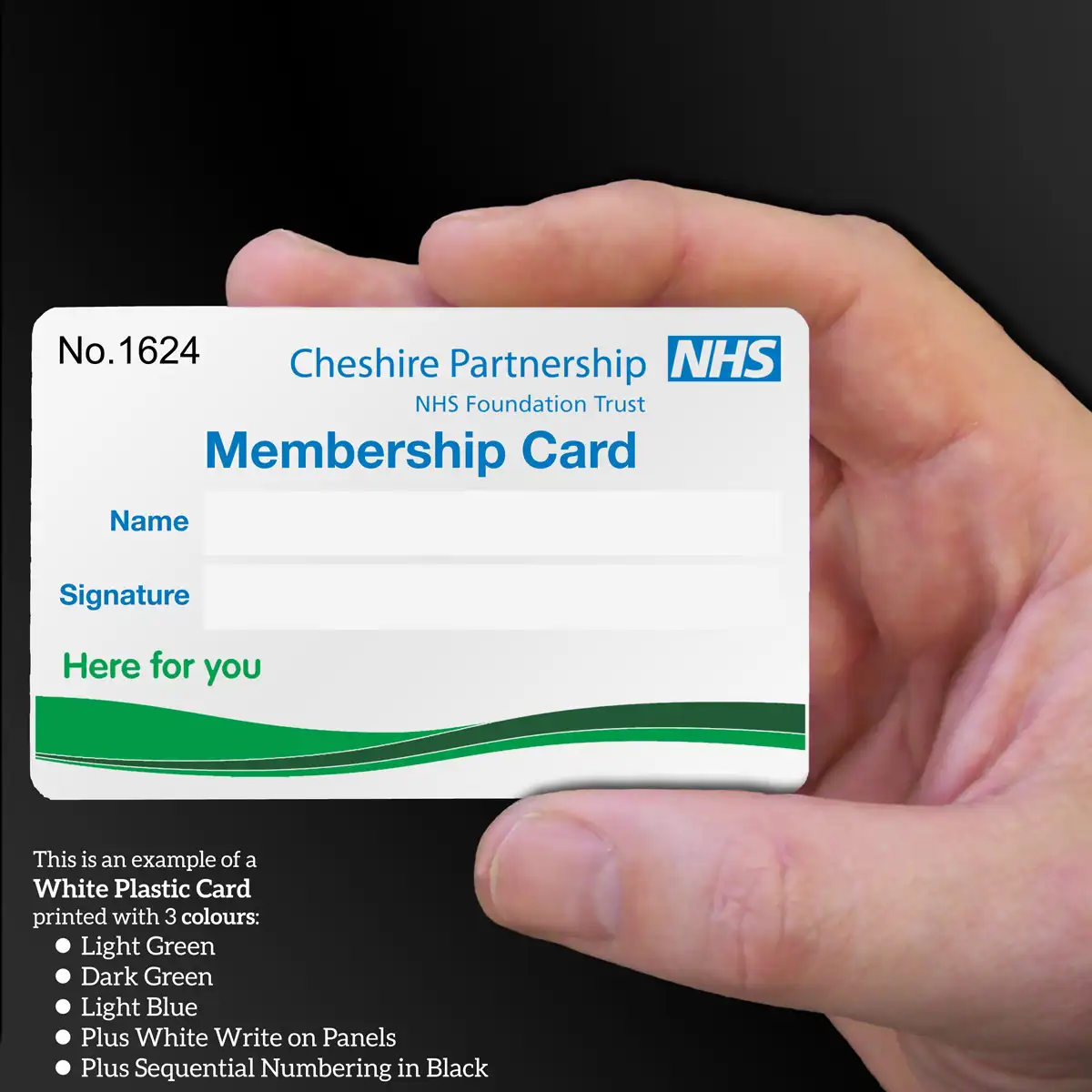
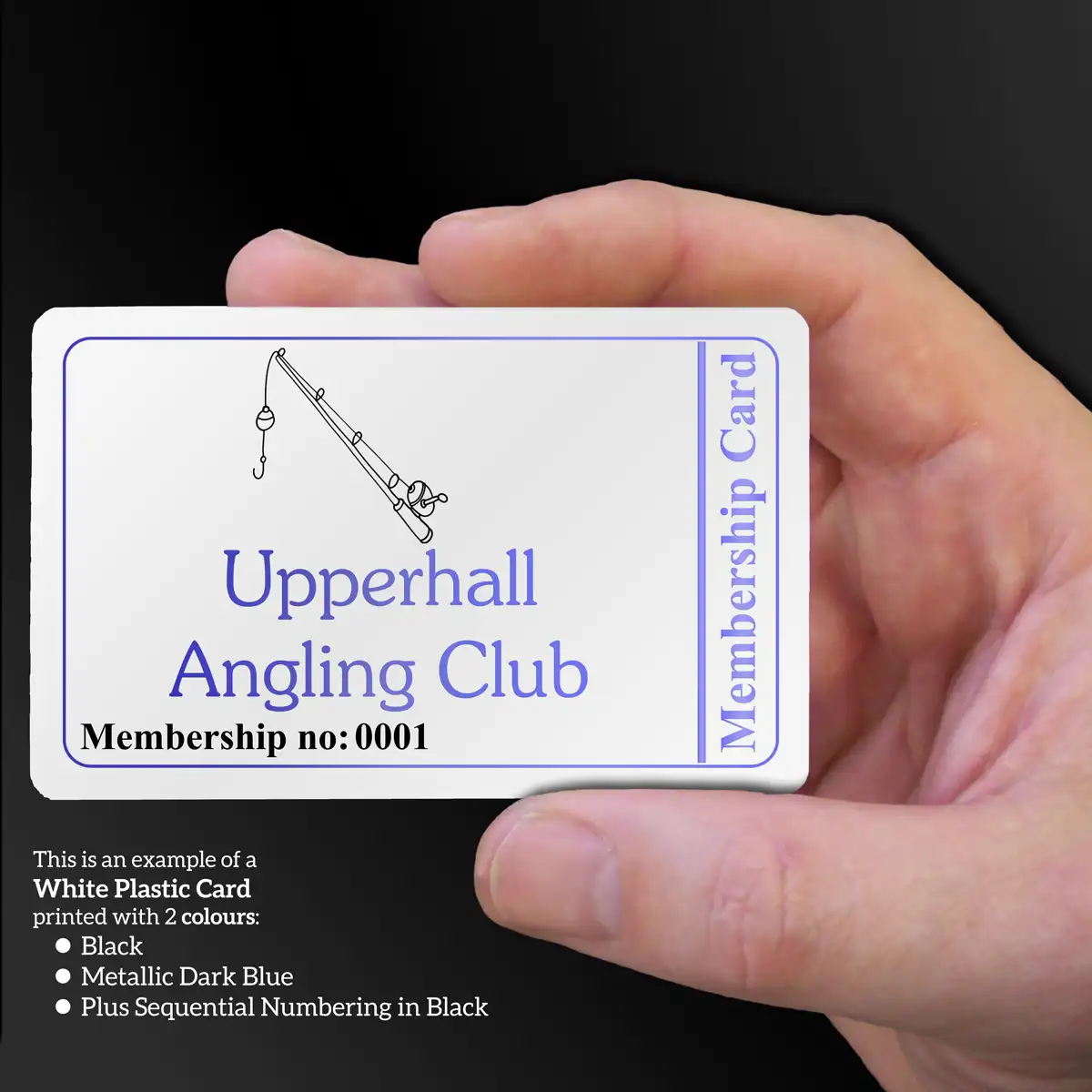
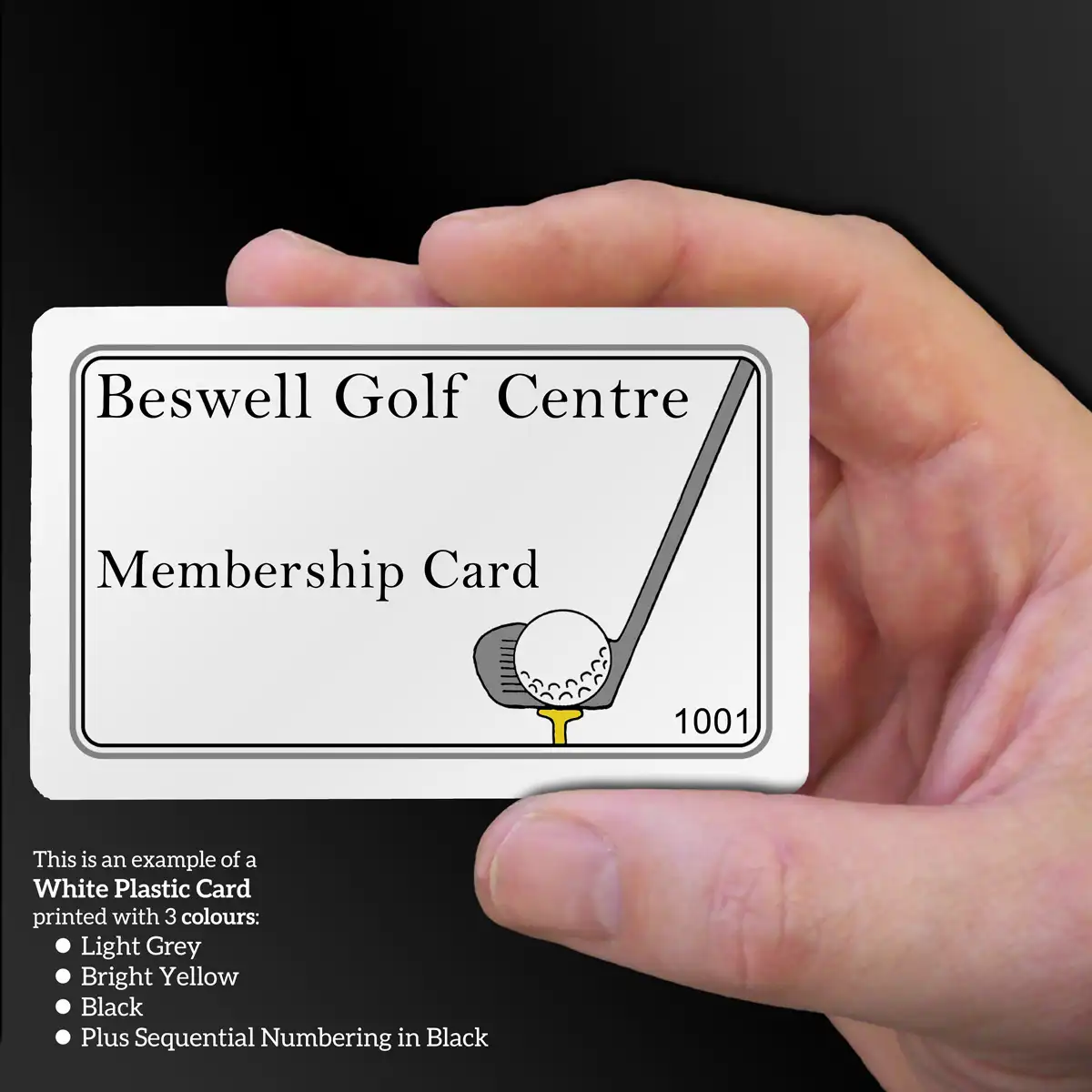
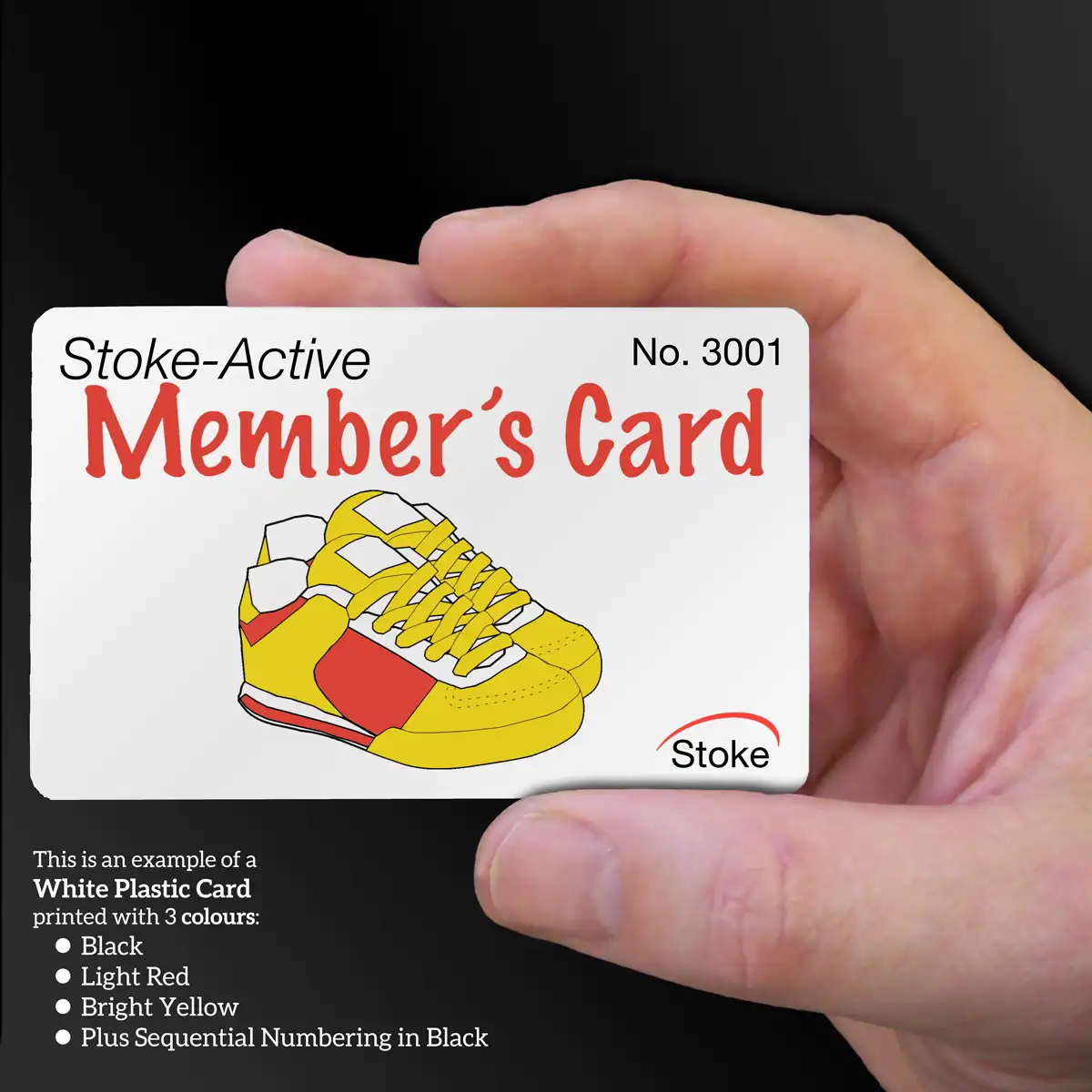
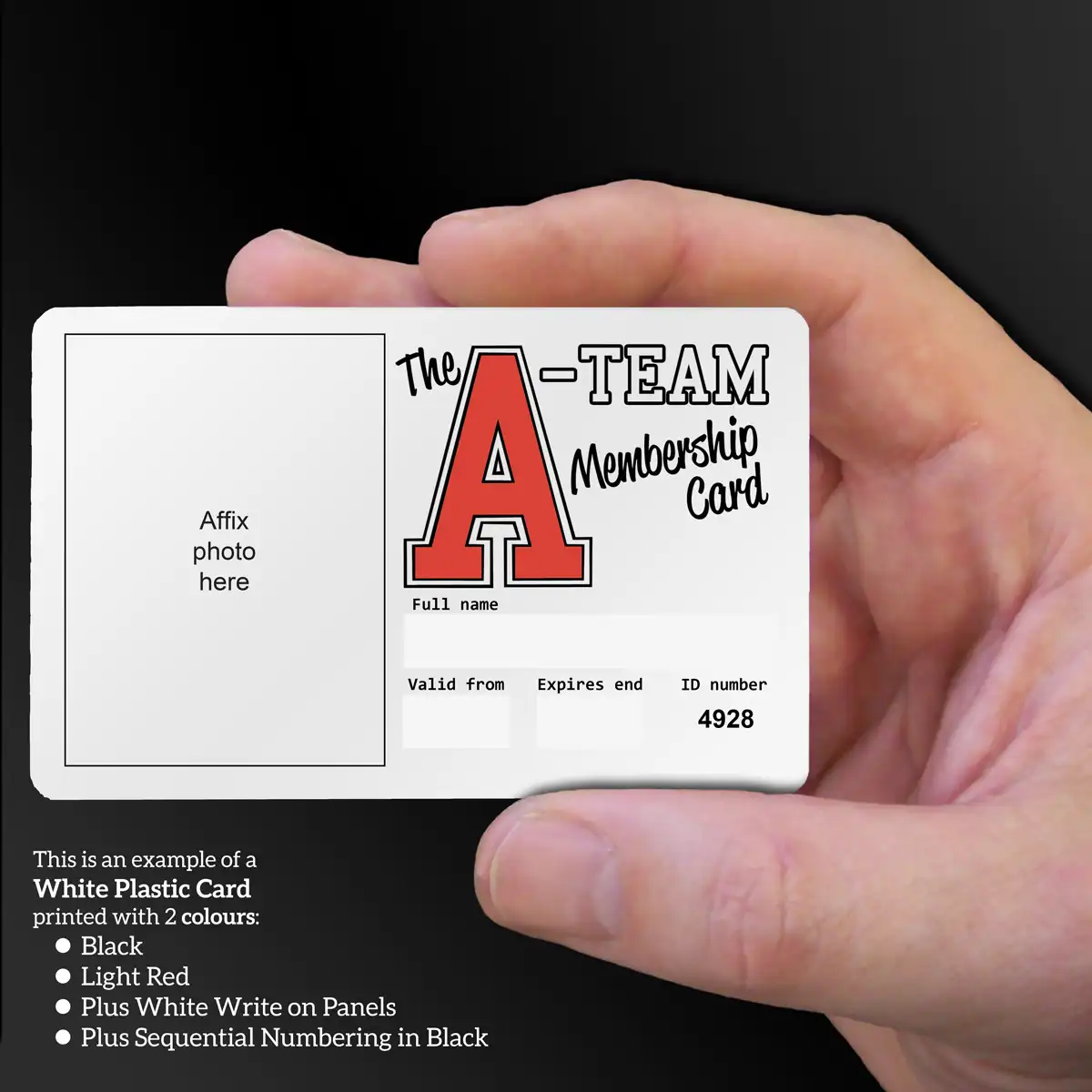
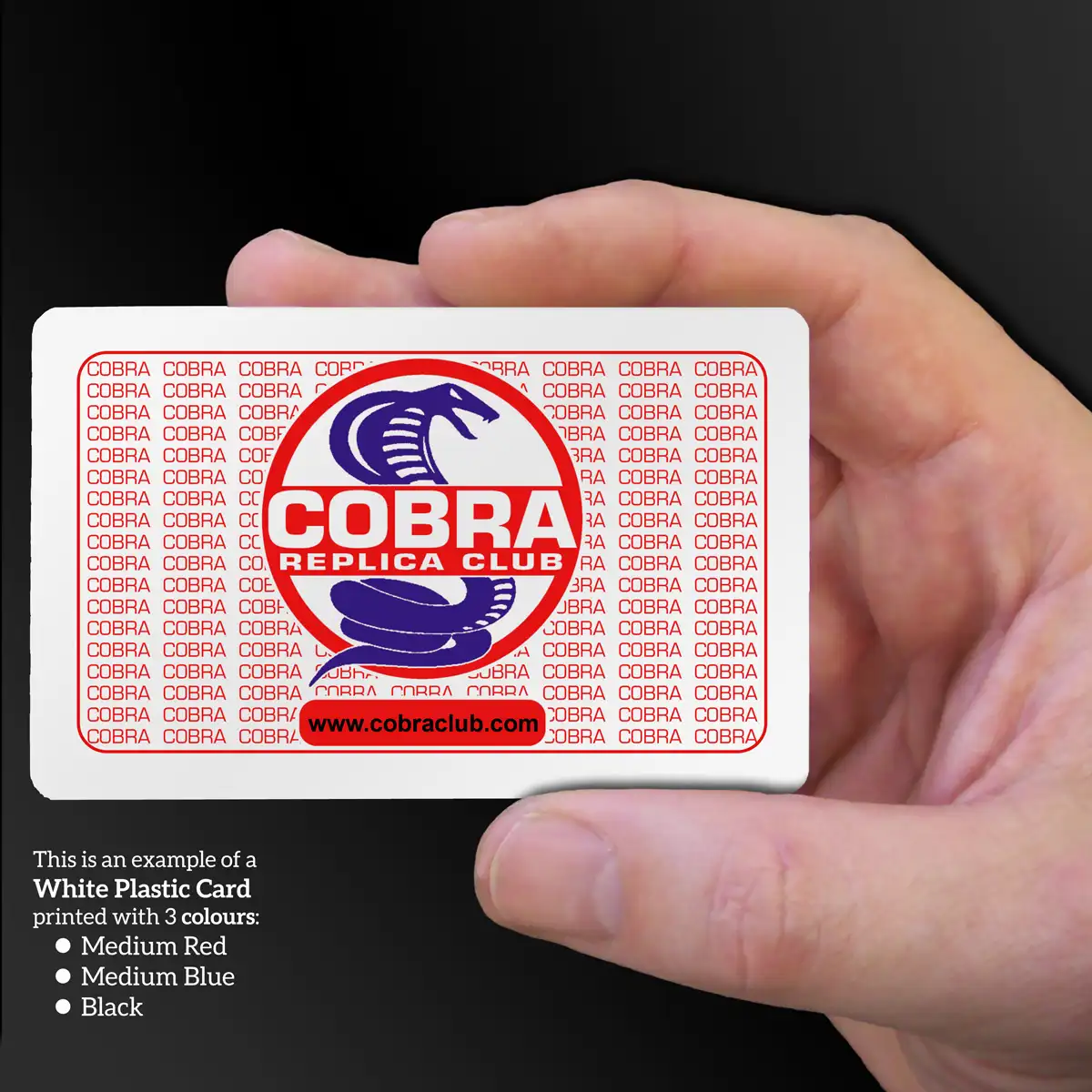
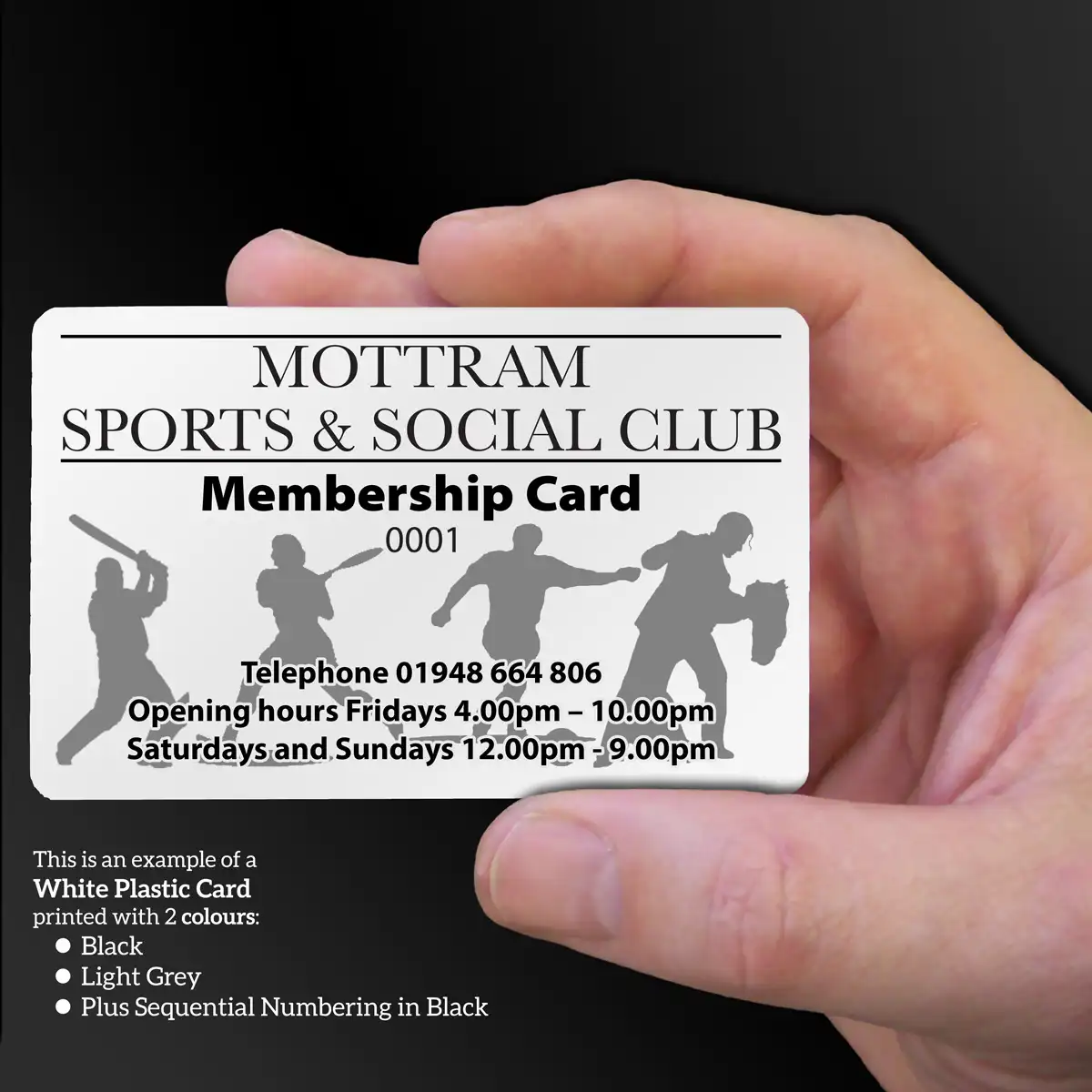
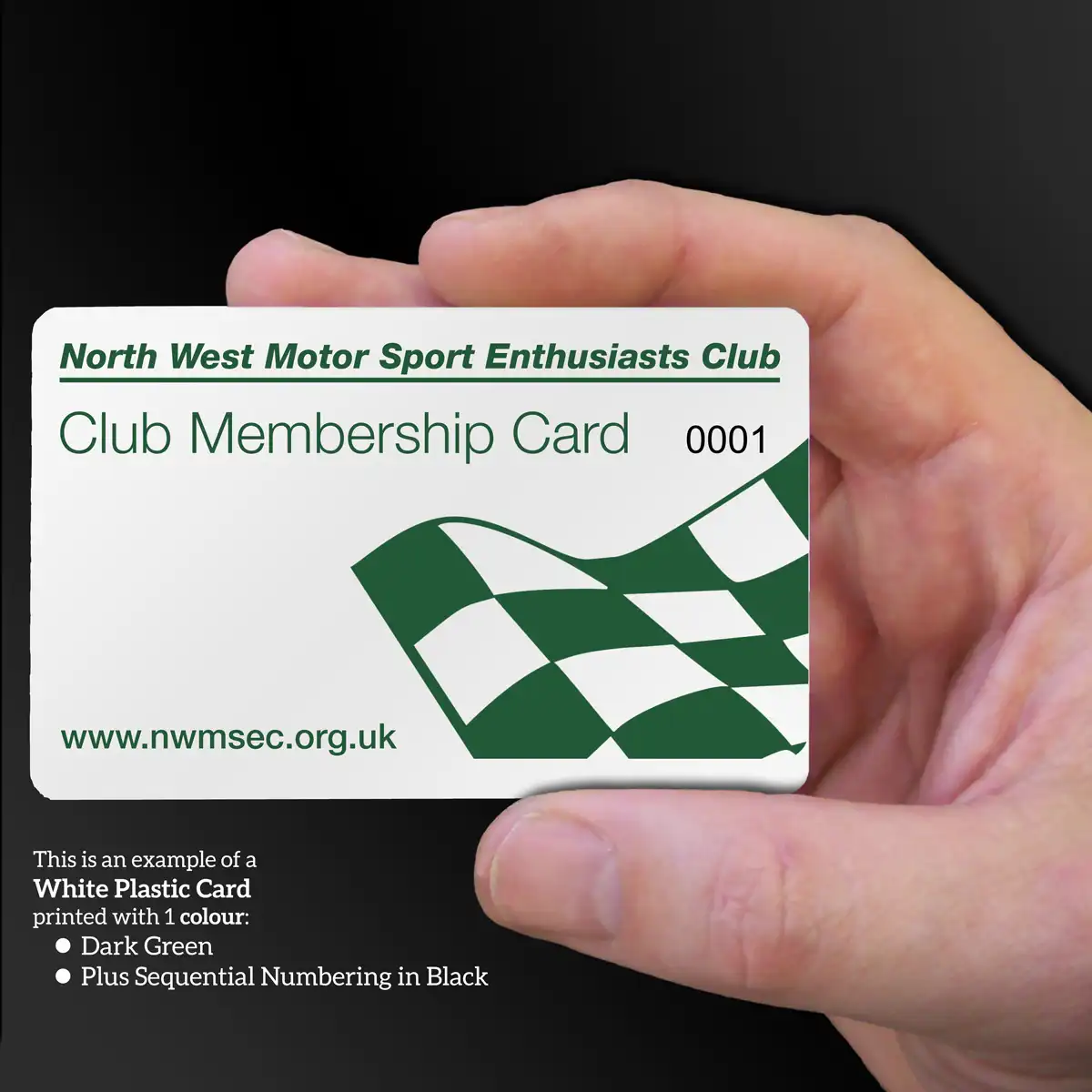
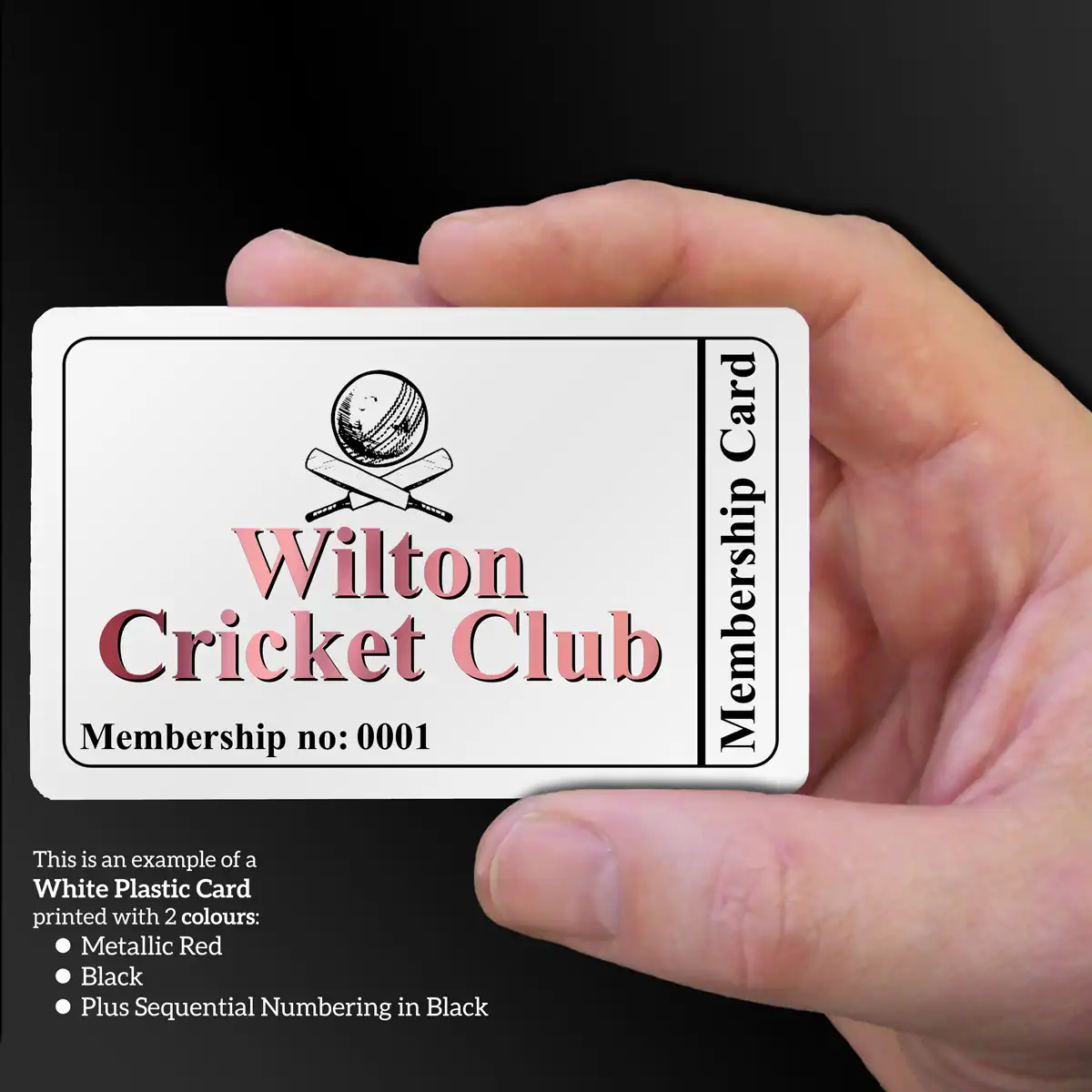
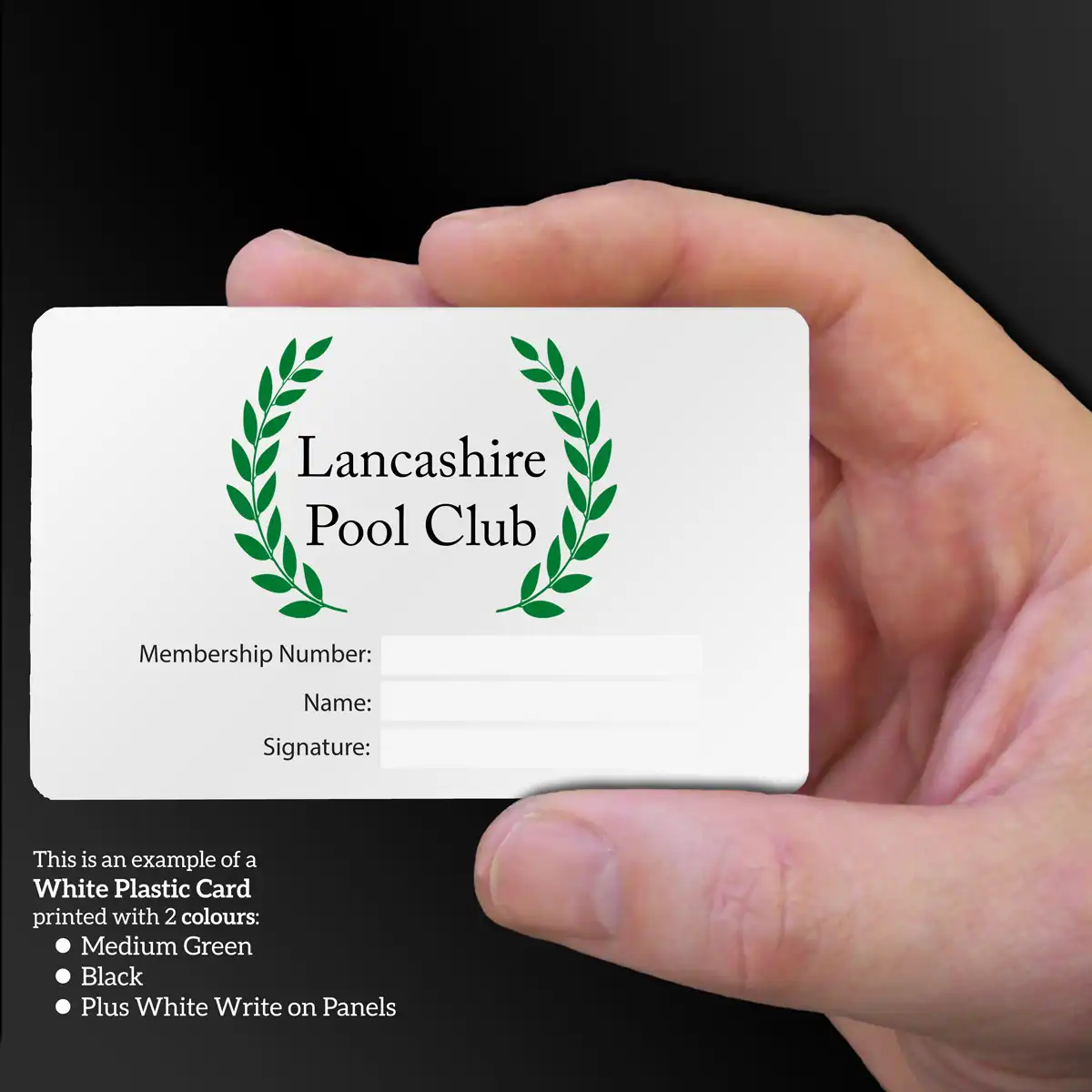
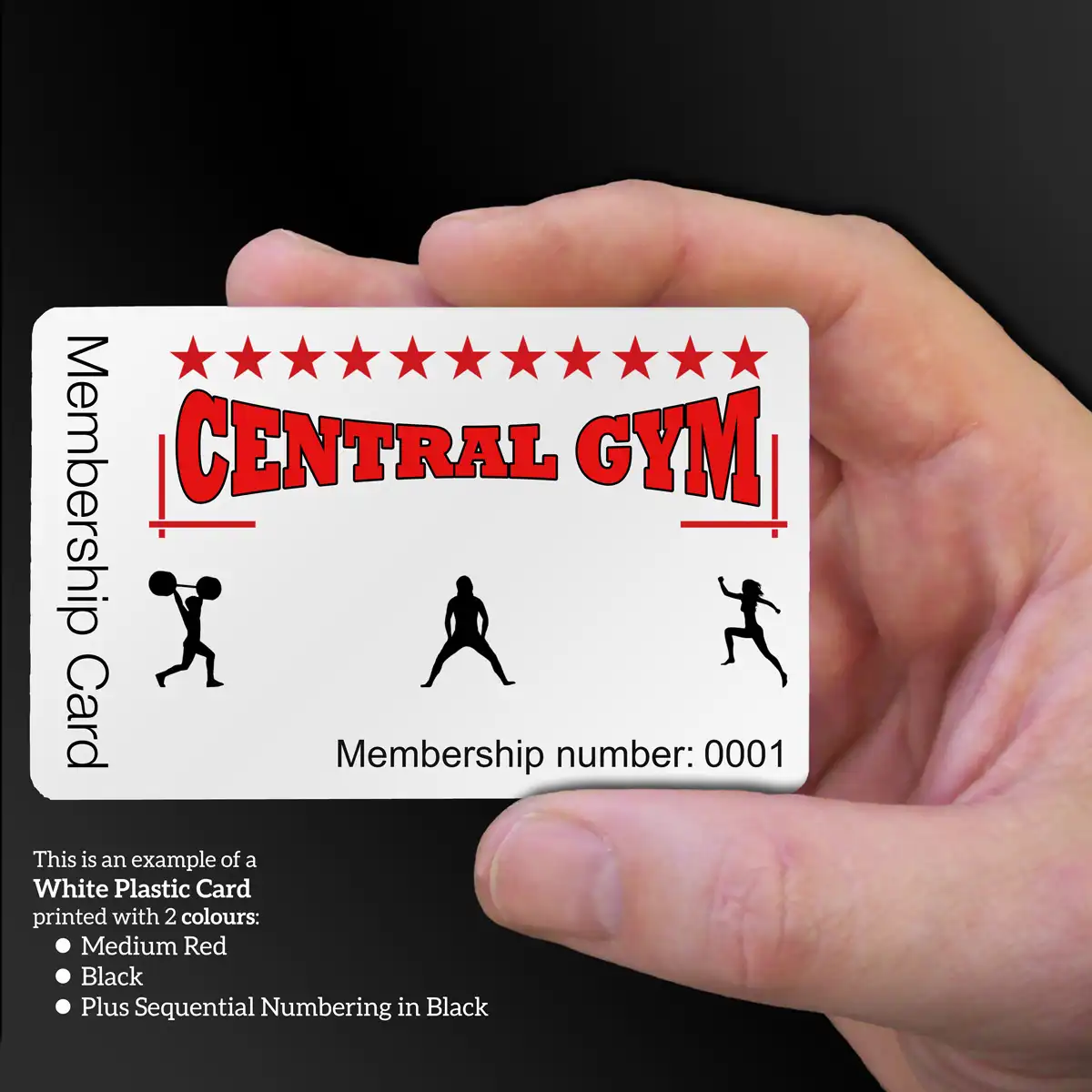
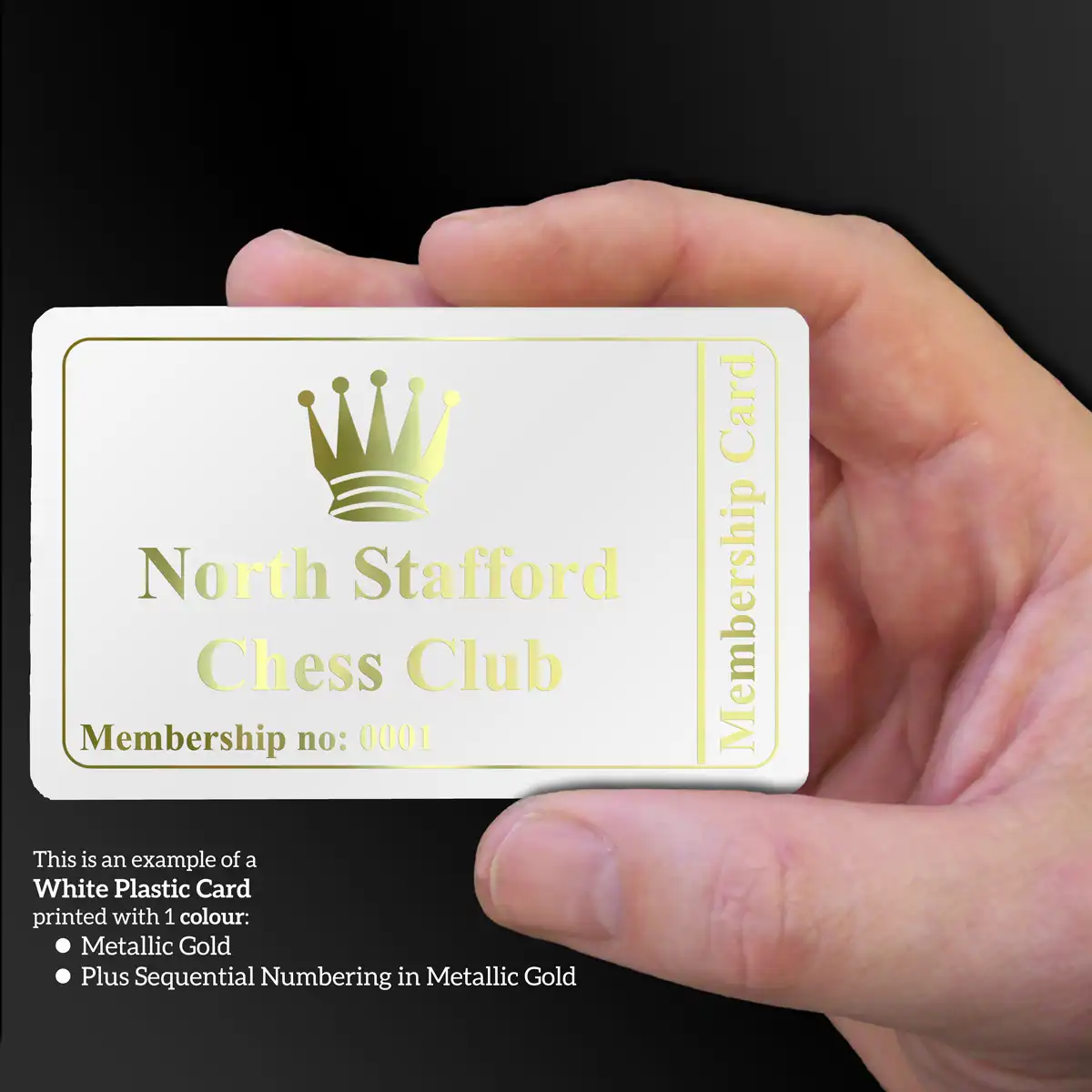
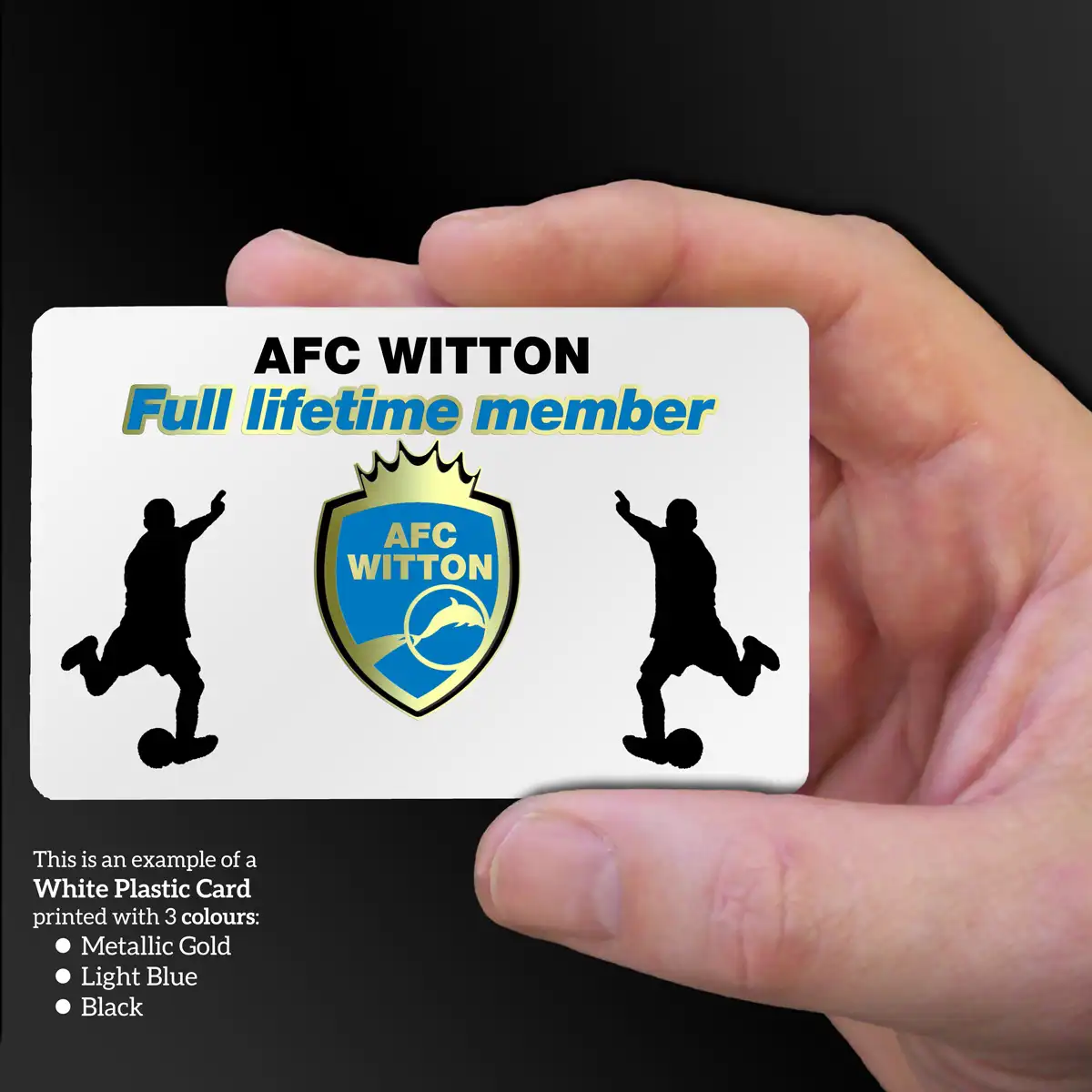
Designing on a White Plastic Card
White is the only card base we print that reproduces a design exactly as you designed it, which is why the examples above cover such a wide spread of styles. On metallic, satin black and frosted cards the base itself is part of the finished look; on white it stays out of the way. Photographs, gradients, skin tones, subtle brand colours and fine detail all come out the way your screen promised.
The one thing worth understanding is that we do not print white ink on these cards — the card itself is the white. Anywhere your design leaves blank is where the card shows through, so white text on a coloured panel works perfectly, but there is no way to make something “whiter” than the card. Designers coming from a background where white is an ink sometimes trip over this.
Practically, that makes white the easiest base to design confidently on. Full-bleed photographs, a solid brand colour edge to edge, a clean white card with nothing but a logo — all of them are straightforward, and all of them are represented in the examples on this page.
What White Cards Are Usually Used For
White PVC is the standard base for most membership, loyalty, gift and business cards, and it gets chosen for two quite different reasons. The first is accuracy: if a brand has a defined colour palette, white is the only base that will reproduce it faithfully. The second is cost of thought — there is nothing to design around.
There is also a functional reason that catches people out. Barcodes need a light background with strong contrast to scan reliably, so if the card has to work at a till or a turnstile, a white base makes life considerably easier than a dark or reflective one. The same is true of anything that gets photographed or photocopied.
Our white cards are 760-micron solid PVC, 86 x 54mm — the same size, thickness and feel as a bank card — printed in full colour CMYK on both sides at no extra cost, with your choice of a high gloss or premium matt finish. The design is sealed beneath the card surface, so it cannot be scratched or worn away.
Getting Your Artwork Right
Three things account for most of the artwork corrections we make on white cards. The first is colour mode: artwork built in RGB will shift when it converts to CMYK, and bright blues and vivid greens shift the most. Supplying CMYK from the start means what you approve on the proof is what arrives.
The second is resolution. Anything placed on the card wants to be 300dpi at final size — a logo lifted from a website is usually 72dpi and will look soft once it is printed at 86mm wide, even though it looked fine on screen.
The third is the edges. Artwork needs bleed beyond the trim, and anything that must not be cut — text, logos, a border — should sit at least 4mm inside the edge. Borders in particular are unforgiving: a thin frame running close to the trim will show any tiny variation in cutting as an uneven margin, which is why most of the examples above either bleed a colour right off the card or leave a generous white margin instead.
If any of that sounds like work, send us what you have. Our artwork checking service fixes sizing, bleed, alignment and colour-mode problems for £10 +vat, and our design service will lay out both sides from scratch for £29 +vat.
White Plastic Card Design FAQs
Can you print white ink on a white plastic card?
There is no need to — the card itself is white. Anywhere your design leaves blank shows as white. White ink only becomes relevant on our satin black, metallic and frosted cards, where the base is not white.
Will photographs print well on a white card?
Yes. White is the only one of our bases that reproduces photographs, gradients and subtle colour accurately, because it is printed in full colour CMYK rather than hot foil. Supply images at 300dpi at final size.
What size and thickness are your white plastic cards?
86 x 54mm and 760 microns (0.76mm) — the same size, thickness and feel as a bank card, with rounded corners.
Is printing on both sides extra?
No. Full colour CMYK on both sides is included as standard, so a design that uses the reverse costs the same as one that leaves it blank.
Should I choose gloss or matt?
High gloss is included in the price; premium matt adds £20 +vat per order. Gloss makes colours look richer and suits photographic designs; matt has a softer, more premium feel and does not show fingerprints, which suits cards that are handled constantly. Compare high gloss and premium matt.
Why does my design need to stay 4mm from the edge?
Because cards are cut from a larger sheet and there is always a small tolerance. Text, logos or a border sitting close to the trim will show that variation as an uneven margin. Keeping 4mm clear avoids it.
Do barcodes scan better on a white card?
Yes. Barcodes need a light background and strong contrast to read reliably, so a white base is the safest choice for any card that has to work at a till, turnstile or scanner.
Can you fix my artwork if it is not print-ready?
Yes. Our artwork checking service corrects sizing, bleed, alignment and colour-mode issues for £10 +vat, and we will always email a photorealistic proof before anything is printed.