

Gift Cards: VAT and Expiry Rules for UK Businesses
If you’re VAT registered, when VAT is due on a gift card depends on what it can buy. A card that can only be spent in the UK on things at one VAT rate is a single-purpose voucher: VAT is due when you sell it. Any other card is a multi-purpose voucher, and VAT is due when it’s spent. Gift cards can expire, but the date must be clear and the terms fair.
This guide covers both kinds of card with examples for a café, a salon and a shop, cards that are never spent, free and discount cards, expiry dates, what to print on the card, and what happens if a business closes. It’s general information taken from HMRC’s guidance and the Consumer Rights Act 2015, checked in October 2026. It isn’t tax or legal advice: check your own position with your accountant or HMRC.
The short versionA card that can only buy things at one VAT rate in the UK: account for VAT when you sell it, and it stays paid even if the card is never used. Any other card: VAT is due only on what’s bought with it, when it’s spent. Either way, print a clear valid-until date on every card, with the main terms in plain words.
Is your gift card single-purpose or multi-purpose?
Since 1 January 2019, HMRC has treated gift cards and gift vouchers as one of two kinds. A single-purpose voucher is one where, when it’s sold, you already know the VAT rate of everything it can buy and that it will be spent in the UK. A multi-purpose voucher is any voucher that isn’t single-purpose.
The test is what the card can be spent on, not what the buyer plans to spend it on. A card that could buy a zero-rated item is multi-purpose, even if the person who receives it spends it all on standard-rated ones.
If your business isn’t registered for VAT, you don’t charge VAT on gift cards or on anything else, so the VAT sections of this page don’t apply. The sections on expiry dates and what to print still do.
- Selling gift cards?
- Is your business unregistered for VAT?If yes: No VAT to chargeKeep a register of cards anyway
- If not: Could the card be spent outside the UK, such as at a branch in the Channel Islands?If yes: Multi-purposeVAT is due when it’s spent
- If not: Could it buy things at different VAT rates, such as zero-rated and standard-rated goods?If yes: Multi-purposeVAT is due when it’s spent
- If not: Single-purposeVAT is due when it’s sold
When is VAT due on a gift card?
With a single-purpose card, selling the card counts as selling what it buys, so the VAT is due straight away. With a multi-purpose card, the sale of the card is ignored for VAT, and VAT is due when the card is spent, at the rate of whatever it buys.
| Single-purpose card | Multi-purpose card | |
|---|---|---|
| When VAT is due | When you sell the card | When the card is spent |
| What VAT is worked out on | The price the card was sold for | What the card pays for, at the VAT rate of what’s bought |
| If the card is never spent | The VAT stays paid. HMRC allows no adjustment unless you refund the buyer | No VAT is due |
| If only part of it is spent | No adjustment for the unspent part, unless you refund it | VAT is due only on what’s bought with it |
A salon’s £30 card
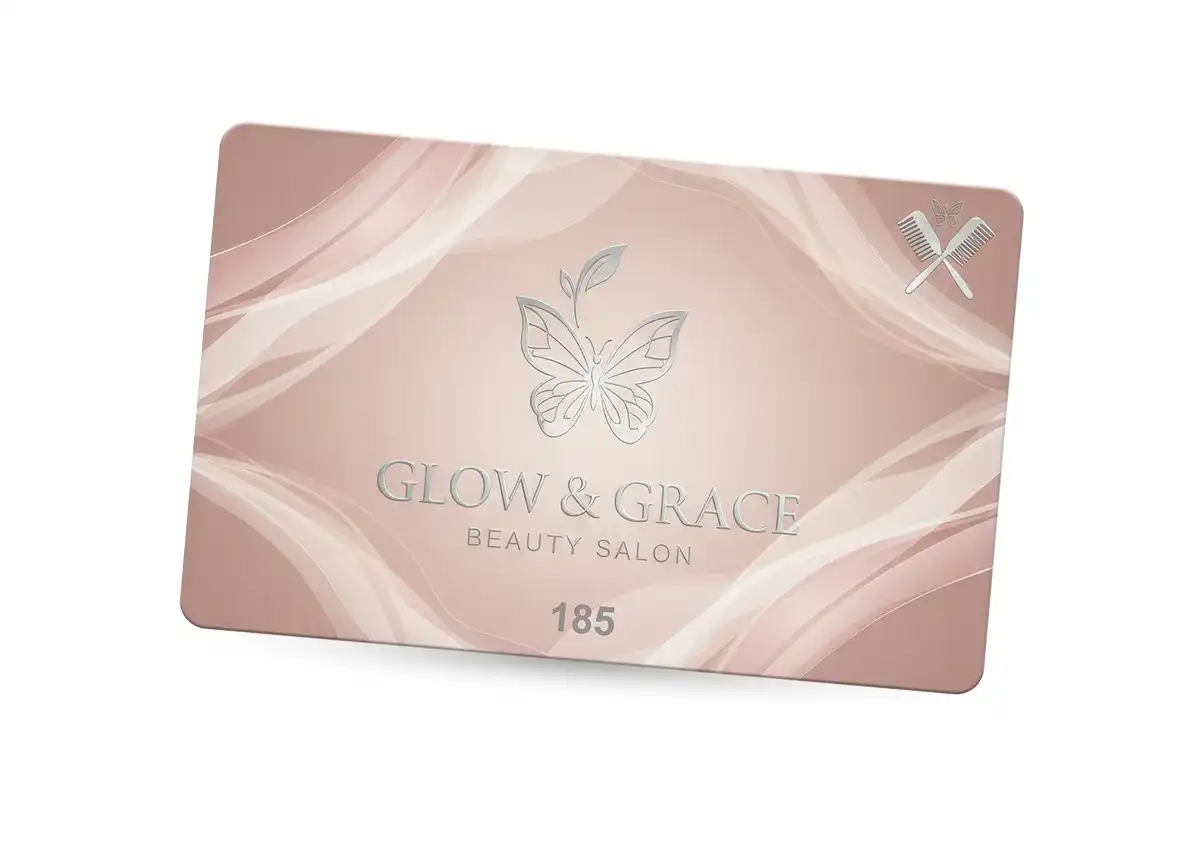
A salon sells a £30 card to spend on treatments on 3 March. The £30 includes £5 of VAT at 20%, which goes on the VAT return for the period that includes 3 March. That doesn’t change if the card is used in April, used in part or never used at all.
A clothes shop’s £20 card
A clothes shop sells a £20 card on 3 December, and no VAT is due on the sale. On 10 January it pays for £12 of children’s clothes, at 0%, and £8 of adults’ clothes, at 20%. VAT of £1.33 is due on the £8, on the return that includes 10 January.
Which kind of gift card does your business sell?
Five cards, and the kind each one is. They assume a VAT-registered business in the UK.
| Business | The card | Which kind | Why |
|---|---|---|---|
| Café | Afternoon tea for two, eaten in the café | Single-purpose | Food and drink served to eat on the premises is catering, which is standard-rated. |
| Café | £25 to spend on anything, including cold food to take away | Multi-purpose | Cold takeaway food is often zero-rated, while food eaten in is standard-rated, so the rate isn’t known until the card is spent. |
| Salon or spa | £30 to spend on treatments | Single-purpose | Treatments are standard-rated. HMRC uses a voucher for £10 of beauty treatment as its own example. |
| Clothes shop | £20 to spend in a shop selling children’s and adults’ clothes | Multi-purpose | Children’s clothes are zero-rated and adults’ clothes are standard-rated. |
| Cinema or attraction | Tickets, food eaten there and merchandise | Single-purpose | HMRC’s own example: everything it can buy is standard-rated. |
The rate depends on what you actually sell, so check yours against HMRC’s list of VAT rates on different goods and services. If what a card can buy changes, so can the kind of card it is.
What happens to VAT on gift cards that are never spent?
On a single-purpose card, the VAT was paid when the card was sold and it stays paid. HMRC allows no VAT adjustment for a card that’s never used, or only partly used, unless you refund the buyer.
On a multi-purpose card, there’s nothing to adjust. The sale of the card was ignored for VAT, so if the card is never spent, no VAT is due on it at all.
Either way, a register of every card you’ve sold shows what’s still open, which is what you owe in gift cards at any moment. Our gift card printing guide has a simple one to copy, and numbered cards give every card its own line.
Are free gift cards and discount cards treated the same?
No. The rules above are for gift cards that someone pays for. HMRC treats discounts, and gift cards you give away, differently.
Discount cards and money-off vouchers
HMRC lists discount vouchers among the things that aren’t vouchers. When a customer uses one with you, VAT is due on what they actually pay after the discount.
Discount cards you charge for
If the discounts are with you, the payment for the card follows the VAT rate of what it gives a discount on. If they’re with other businesses, selling the card is standard-rated.
Free loyalty discount cards
A loyalty card given away free, which lets a customer buy at a reduced price, means VAT is due only on what the customer actually pays.
Gift cards given as prizes or apologies
HMRC says a single-purpose card given away is likely to be treated as giving away what it buys, and a multi-purpose card given away and spent with you, with nothing more to pay, is likely to be treated as a discount voucher. The exact treatment depends on the circumstances.
We supply discount cards and loyalty cards as well as gift cards. Printing “Gift card” or “Discount card” clearly on the front helps staff and customers tell them apart.
Can a gift card have an expiry date?
Yes. A gift card can carry an expiry date, as long as the date is clear and the terms are fair.
What UK law does require is that the terms of the sale, the expiry date included, are fair and clear. Under the Consumer Rights Act 2015, an unfair term isn’t binding on the consumer (section 62), written terms must be in plain, intelligible language and legible (section 68), and if a term could mean two things, the meaning most favourable to the customer wins (section 69). Whether a particular period is fair depends on the circumstances, so take advice if you’re unsure about yours.
- Put the date on the card itself, not only in the terms on your website.
- Write it in when the card is sold, so the period runs from the day of sale. A write-on panel takes an ordinary pen, and one card design then never goes out of date.
- Choose a period that gives the recipient a fair chance to use the card. It’s a present, and it may be kept for a while first.
- Say what happens to a balance if the card can be spent over more than one visit, and whether it can be exchanged for cash.
- Tell the buyer at the till as well as printing it, and use the same words on the card, your website and your receipts.
An expiry date doesn’t change the VAT. On a single-purpose card the VAT stays paid, and an expired multi-purpose card that was never spent has no VAT due.
What should a gift card have printed on it?
HMRC’s definition of a voucher includes that what it can buy, or who will accept it, is stated on it. Add a clear expiry date and the main terms, and the card answers most questions before they’re asked. Here’s a made-up shop’s card, front and back.
- Who issued it. Your business name, so anyone can see who will accept the card.
- The words “Gift card”, so it isn’t mistaken for a discount or loyalty card, which are treated differently for VAT.
- What it’s for. The amount, or the item, written in when it’s sold. Write-on panels take an ordinary pen.
- Valid until, and who sold it. Written at the till, so the period runs from the day of sale.
- Where it can be spent. Where a card can be used is part of what decides whether it’s single-purpose or multi-purpose.
- A card number, matching a line in your register.
- A QR code to your full terms, at least 15mm square.
- The main terms in plain words, such as no cash alternative and what happens to a balance.
- The address of your full terms, for anyone who doesn’t scan the code.
Marlow & Finch is made up for this page. The QR code is an illustration and won’t scan.
Our guide to designing a gift card covers the layout in more detail, and the gift card printing guide has terms you can copy. Cards spent online can carry a secret code under a scratch-off panel: see gift card codes in Excel or CSV.
What happens to gift cards if a business closes?
If a business becomes insolvent, the people holding its gift cards are usually unsecured creditors. The Law Commission, which reviewed consumer prepayments in a 2016 report, found that unsecured creditors are very near the bottom of the list for repayment and frequently receive nothing.
If you’re closing or selling a business by choice, your register shows exactly which cards are still open. Give card holders notice and a chance to spend them, and if you sell the business, agree with the buyer who will honour the cards you’ve already sold.
Where this information comes from
Checked on 22 October 2026. Rules and rates change, so follow the links for the current position.
- HMRC, Business promotions (VAT Notice 700/7): section 9 on vouchers from 1 January 2019, section 7 on coupons and discount cards, and section 11.7 on loyalty discount cards.
- GOV.UK, VAT rates on different goods and services: catering, takeaway food and children’s clothes.
- Consumer Rights Act 2015, sections 62, 68 and 69, on legislation.gov.uk.
- Law Commission, Consumer prepayments on retailer insolvency.
This page is general information, not tax or legal advice. For your own business, ask your accountant or contact HMRC.
Questions & Answers
-
Do you charge VAT on gift cards?
Only if you’re VAT registered, and the timing depends on the card. VAT on a single-purpose card, which can only buy things at one VAT rate in the UK, is due when it’s sold. VAT on a multi-purpose card is due when it’s spent, on what it buys.
-
What is a single-purpose voucher?
A voucher where, when it’s sold, the VAT rate of everything it can buy and the country it will be spent in are both known. VAT is accounted for when it’s sold. HMRC’s examples include a cinema voucher for tickets, food eaten in the cinema and merchandise, which are all standard-rated.
-
What is a multi-purpose voucher?
Any voucher that isn’t single-purpose, such as a shop gift card that can buy both zero-rated children’s clothes and standard-rated goods. The sale of the card is ignored for VAT, and VAT is due when it’s spent.
-
Do you pay VAT on gift cards that are never used?
On a single-purpose card, yes: the VAT was due when it was sold, and HMRC allows no adjustment unless you refund the buyer. On a multi-purpose card, no: VAT is only due when it’s spent, so a card that’s never spent has no VAT to pay.
-
Can a gift card have an expiry date in the UK?
Yes. The expiry date is a term of the sale, so under the Consumer Rights Act 2015 it must be fair and written in plain, legible words. Print or write it clearly on the card.
-
Is a discount card a voucher for VAT?
No. HMRC lists discount vouchers among the things that aren’t vouchers. When a customer uses one with you, VAT is due on what they actually pay after the discount.
-
What should a gift card have printed on it?
Who issued it, what it’s for (an amount or an item), where it can be spent, a valid-until date, a card number, and the main terms in plain words, such as no cash alternative, with the address of your full terms.
-
What happens to gift cards if a business closes down?
If the business is insolvent, people holding its gift cards are usually unsecured creditors. The Law Commission found that unsecured creditors are very near the bottom of the list for repayment and frequently receive nothing.
Ready to order?
Tell us how your gift cards will work and we’ll quote for the write-on panels, numbering or scratch-off panels they need.
Your free photorealistic proof shows the valid-until panel, the card number and your terms in place before anything is printed.