


How to Stop Your Cards Being Copied
No card is impossible to copy, but you can make copying pointless, or easy to spot. A unique number, a check against your records, and one feature an ordinary printer can’t reproduce stop almost all of the misuse a club, shop or event ever sees.
This guide covers how cards actually get misused, the security features available from simple to strong, which to use for each kind of card, and the habits that make them work.
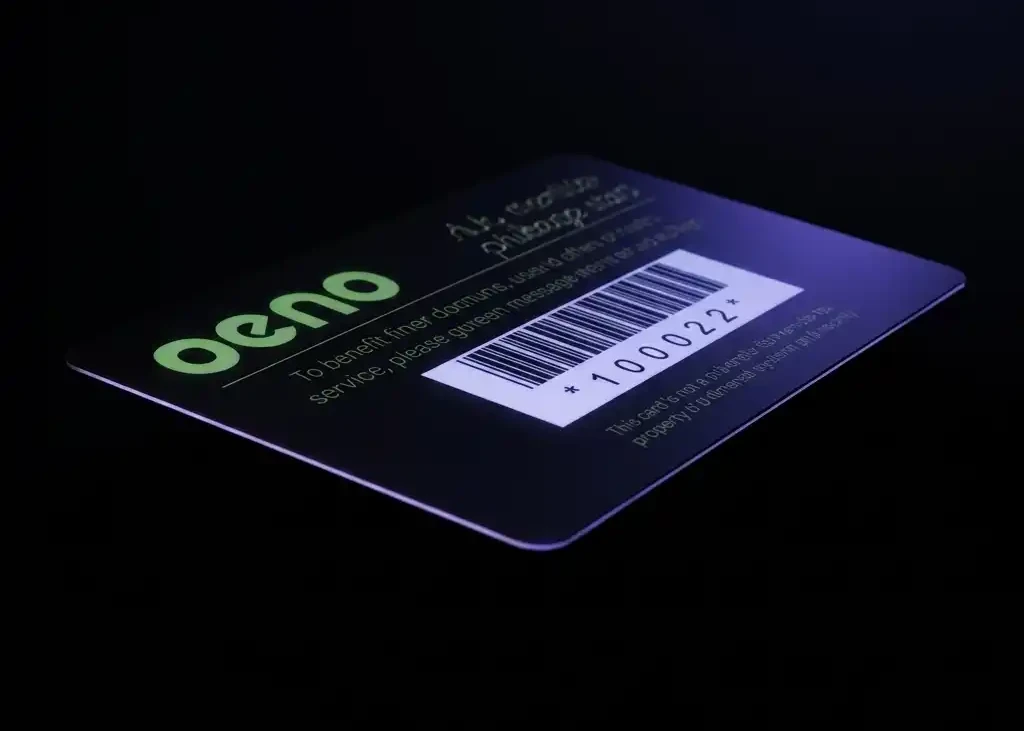
The short versionGive every card its own number and keep a list. Tie the card to its holder with a signature or a photo. Add one thing that’s hard to print, such as metallic foiling or embossing. For gift cards, hide any code under a scratch-off panel. Then make sure someone actually checks.
How cards actually get misused
Most card fraud at a club or a shop isn’t sophisticated. It’s one of these four, and each has a simple answer.
From simple to strong
Security features build on each other. Each level adds something the one before it can’t do, and most organisations need the first two or three, not all five.
- Unique numbers. Every card has its own number, and you keep a list of the numbers you’ve issued. A copy carries a number you already know about, and a made-up card carries one you don’t.
- Tie it to the holder. A signature strip or a photo means the card only works for the person it was issued to.
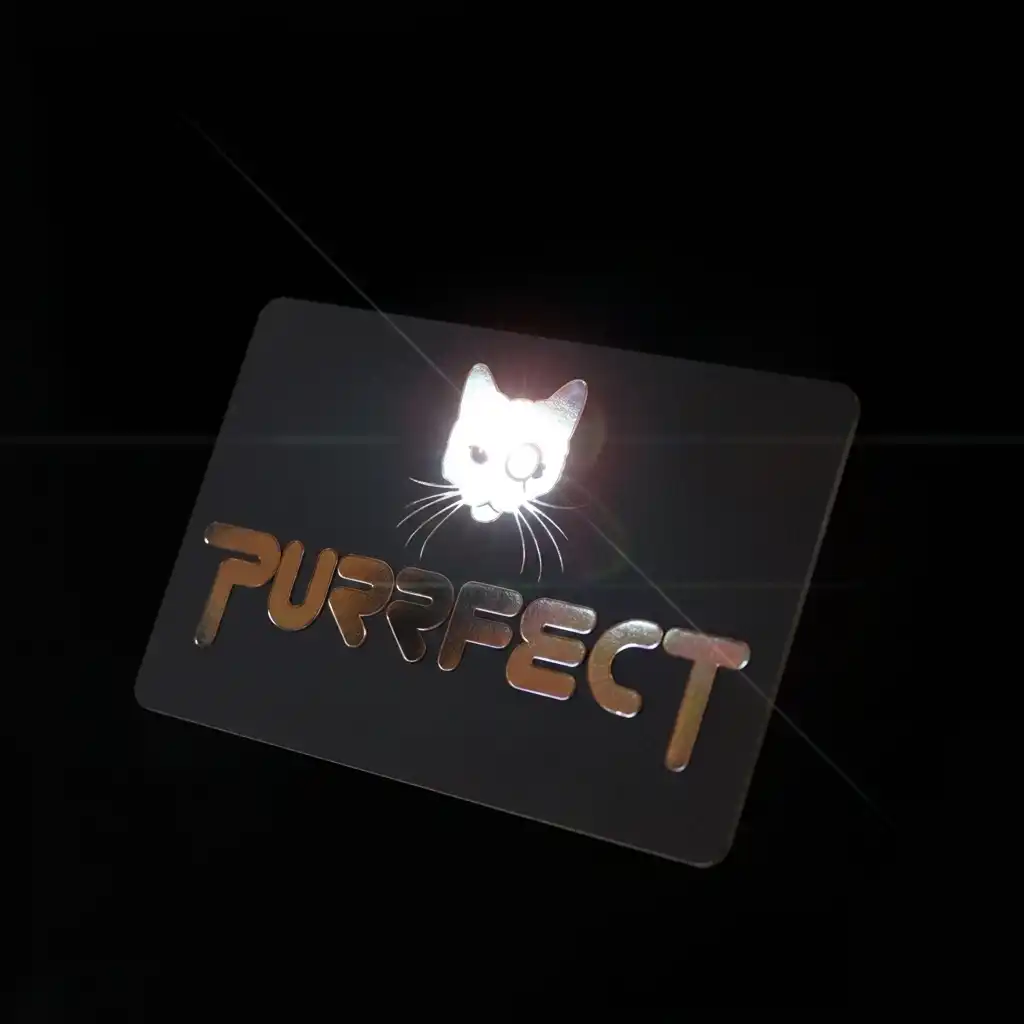
- Make it hard to print. Metallic foiling, a metallic base card or embossing can’t be reproduced on an ordinary printer, so a home-made copy looks wrong at a glance.
- Check it by machine. A barcode, QR code or magnetic strip, read against your records, rejects cancelled, expired and duplicated cards automatically.
- A chip. An RFID card carries its data in a chip inside the card, which is much harder to copy than anything printed. It suits door access and systems that already use RFID readers.
Every feature compared
| Feature | What it stops | How it’s checked | Worth knowing |
|---|---|---|---|
| Unique number on every card | Duplicates and made-up cards | Against your list of issued numbers | The foundation for everything below. Numbered cards |
| Signature strip | A card being lent to someone else | Against the holder’s signature, or one you hold on file | The cheapest form of verification. Write-on panels |
| Photo of the holder | A card being lent to someone else | By looking at the face | A photoseal attaches a passport-sized photograph. Photoseals |
| Metallic foiling | Copies printed on an ordinary printer | By eye: real foil catches the light | Gives the impression of a security mark. Not on EcoTough, Plastic-Free Board, key fob cards, combo cards or event passes. |
| Metallic base card | Copies printed on white card | By eye | The whole card is gold or silver. Not on event passes, key fob cards, combo cards, EcoTough or Plastic-Free Board. |
| Embossing | Photocopies and flat prints | By eye and by touch | Raised characters, like a bank card. Not on 420 micron cards. Embossing |
| Barcode or QR code | Cancelled, expired or already-used cards | Scanned against your records | A barcode can be photocopied: the security is in your system rejecting a number it shouldn’t accept. |
| Magnetic strip | The same as a barcode, out of sight | Swiped against your records | HiCo is the more durable. Not on EcoTough, event passes, key fob cards, combo cards or Plastic-Free Board. |
| RFID chip | Copying the data in a printed code | By an RFID reader | Mifare or Fudan, 1K or 4K, supplied unencoded for your system to write. RFID cards |
| Scratch-off panel | Codes being photographed or read before sale | The panel is intact until it’s used | Not on EcoTough or Plastic-Free Board. Scratch-off panels |
Features can be combined: a number, a signature strip and foiling on the same card is an everyday order, and costs far less than replacing a scheme after it has been abused. Space and thickness decide what fits together: a magnetic strip, a signature strip and a barcode all want the back of the card, and magnetic strips need 760 micron cards. Our optional extras page has the full specifications.
What to use for each kind of card
The check matters as much as the card
A security feature only works if someone looks at it. A gold foil logo nobody glances at, or a signature nobody compares, stops nothing. A few habits make the features above earn their keep:
- Keep a list of every card issued, with its number and who has it.
- Look at the card when it’s used, not just that one was shown: the photo, the date, the foil.
- Cancel lost cards on your list or system as soon as they’re reported, and issue a new number.
- Change the design or colour each season if cards are renewed every year.
- Don’t post close-up pictures of a live card online. A sharp, flat picture is the easiest thing in the world to copy.
An honest noteNo printed card is impossible to copy. The aim is a card that’s more trouble to fake than it’s worth, and a check that catches the fakes that do turn up. Two or three features and a list of issued numbers do that for almost every club, shop and event.
Questions & Answers
-
Can plastic cards be copied?
Any printed card can be imitated. What security features do is make a copy more trouble than it’s worth, and easy to spot when it’s used.
-
What is the most secure kind of card?
An RFID card used with your own access system, because its data is in a chip rather than printed. For printed cards, a unique number checked against your records, plus a feature like foiling or a photo, is strong enough for most uses.
-
How do I stop people sharing membership cards?
Tie the card to its holder with a photo or a signature strip, and check it when it’s used. A signature strip is the cheapest way to do it.
-
How do I stop fake gift cards?
Give every card its own number and keep a record of each one sold, hide any redemption code under a scratch-off panel, and never put the secret code in the barcode. Foiling or a metallic base card makes a home-made copy look wrong.
-
Does metallic foiling stop cards being copied?
It helps. Foiling gives the impression of a security mark and helps deter cards being replicated, because real foil can’t be reproduced on an ordinary printer.
-
Can a barcode be copied?
Yes: a photocopy of a barcode still scans. A barcode’s security comes from your system checking each number and rejecting any that are cancelled, expired or already used.
-
Are RFID cards harder to copy?
Much harder than anything printed. We supply Mifare or Fudan RFID cards in 1K or 4K, unencoded, so your own system writes the data to them.
-
How do I stop old cards being used?
Print the season or an expiry date on the card, and change the card’s colour or design each year, so an old card stands out at a glance.
Want a card that’s harder to copy?

Tell us what the card is for and how it will be checked, and we’ll suggest the features that fit, with a quote within about 10 minutes, 9am to 5pm, Monday to Friday.
Every full colour order comes with a free photorealistic proof before anything is printed.