
How to Start a Loyalty Card Scheme
To start a loyalty card scheme, choose a reward your customers want, work out what it costs you, decide on stamps or points, and print a card with the rules on it. Order about a year’s worth, brief your staff to offer one at every sale, then keep count of the rewards you give.
This guide puts those steps in order for a small business owner, from “should I?” to launch day, with the sums. For rewards by type of business, see our loyalty card ideas.
The short versionStart with a plain stamp card unless your till already reads a code. Ten boxes suit a weekly visit. Six suit a client who comes every six weeks or so, though that’s still 36 weeks to the reward, so consider a head start. Work the reward’s cost out at your own prices first. Plastic cards start at £75.00 +vat for 25.
What is a loyalty card?
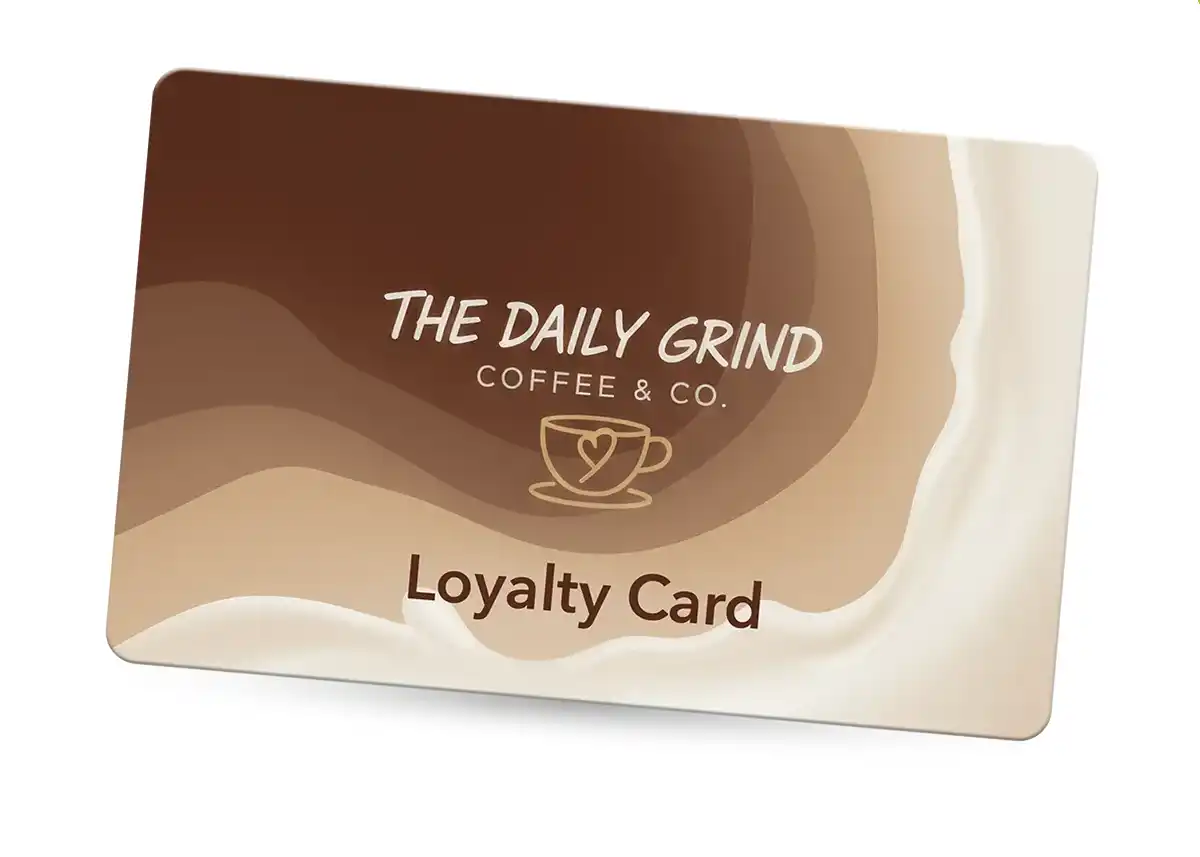
A loyalty card is a card a business gives its customers to reward them for coming back. Each visit or purchase earns a stamp or points, and a set number earns a reward, such as a free coffee.
It isn’t a gift card, which is bought and holds a value, or a discount card, which gives a standing discount.
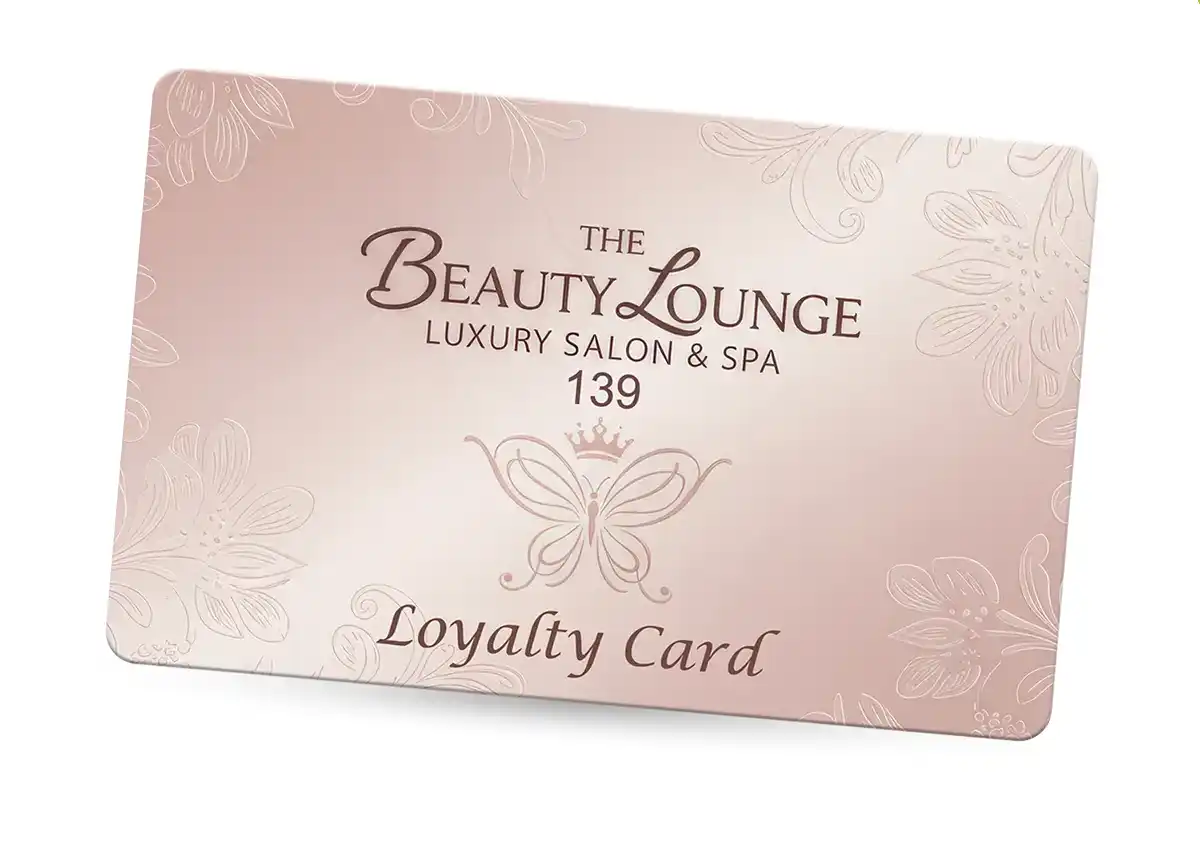
You may also see them called loyalty scheme cards or loyalty program cards. Plastic reward cards covers the wider family, from tier cards to scratch-to-win. Our plastic loyalty cards for small businesses are 86 x 54mm, the size of a bank card, and the sealed print can’t scratch or wear off in a wallet.
What are the steps to start a loyalty scheme?
Seven steps take you from “should I?” to launch day, and an eighth tells you whether it’s paying its way.
1Are loyalty cards worth it?
For many small businesses with repeat trade, yes, as long as the reward costs less than the extra visits it brings. We supply cards, so we’re not neutral, and we quote no figure for how much a scheme lifts sales. Step 2 is the sum.

The reward costs you less than it’s worth to them.
Your staff will offer a card at every sale.
Your regulars already come as often as they can.
You can’t afford to give away a tenth of what they spend.
Cafés are the classic case: people come often, and a free coffee costs little when it brings an extra visit. Salons see clients less often, so they need fewer boxes, and the free treatment costs chair time as well as products. A plain stamp card has no monthly fee and nothing for the customer to download. If you’re weighing it against an app, read digital vs plastic loyalty cards.
2How do you choose the reward and do the sum?
Choose something you already sell, given free, then work out what it costs at your own prices. The sum has two sides, because a free coffee costs you little if it’s an extra one, and a full sale if they’d have bought it anyway.
| One card, at the price for 250 | 43.6p |
| A full card, if the free coffee was an extra one | £1.44 |
| A full card, if they’d have bought it anyway | £3.94 |
| Extra paid coffees to cover the dearer case | 2 |
On these figures, £109.00 +vat for 250 cards is covered by 44 extra paid coffees across the whole batch. A card that never fills costs you only the card.
Next, match the number of boxes to how often people come. If the first reward is a year away, most cards are forgotten long before it, so treat the 48 and 60 week figures below as warnings.
| Reward | Off | Weekly visit | Every 4 weeks | Every 6 weeks |
|---|---|---|---|---|
| 6th free | A sixth (16.7%) | 6 weeks | 24 weeks | 36 weeks |
| 8th free | An eighth (12.5%) | 8 weeks | 32 weeks | 48 weeks |
| 10th free | A tenth (10%) | 10 weeks | 40 weeks | 60 weeks |
Boxes multiplied by the gap between visits, as a guide.
Think about a head startGive one or two free stamps with the card, and the reward comes sooner. On a six-box card, two free stamps take a six-weekly client from 36 weeks to 24. In a 2006 study by Nunes and Drèze at one car wash, 34% of customers finished a ten-box card with two boxes already stamped, against 19% on an eight-box card with none (summary with the figures). Both needed eight paid washes. It’s one study at one business, not a promise. Run your sum again if you do it. Two free stamps on a ten-box card mean seven paid coffees for the free one. That’s an eighth off, not a tenth.
3Should it be stamps, points or tiers?
Start with stamps unless your till or software already runs points. They need nothing but a stamp or a punch, and they’re easy to explain at a busy counter.
| Stamps | Points | Tiers | |
|---|---|---|---|
| You need | A stamp or punch | A till or software that reads the card | One card design for each level |
| You learn | How many cards are redeemed | Who visits, how often and what they spend | As stamps or points |
| Suits | A simple reward at one site | Several outlets, or a system you already have | Rewarding your best customers |
Colour variants for tiers cost nothing extra when ordered as one job. Pick colours that are easy to tell apart, so the colour code still works if a shade varies from one order to the next.
4Plain, barcode or QR code?
Use whichever your till already reads, and if nothing will scan the card, leave it plain. Ask your till or software provider before you design anything.
- Which card do you need?
- Will staff just stamp or punch it, with nothing to scan?If yes: Plain stamp cardPrinted boxes, no code needed
- If not: Does your till find a customer from a scanned barcode?If yes: BarcodeOn a white box, number underneath
- If not: Do you have a 2D scanner, or will customers use their phones?If yes: QR codeAt least 15 x 15mm
- If not: Ask your providerA stamp card can run alongside your till
- A different number or code on each card links it to your records. It’s an optional extra, priced on your quote. The same QR code on every card costs nothing extra, because it’s part of the artwork.
- Got a swipe reader? A magnetic strip suits a till that already has one.
- Some tills find customers by phone number, or only take their own cards. Loyalty cards and your till covers eight popular systems, and QR code vs barcode explains the choice.
- Test it first. Print the email proof at actual size and try the barcode on your scanner, then add a postal proof if you want real cards to scan: £65 +vat, around 5 working days.
5What goes on the card, and what terms should it carry?
Your name, the offer and the boxes go on the front, and the rules go on the back, so nobody has to ask. Set the artwork up at 92 x 60mm, which includes 3mm of bleed, and keep wording 3mm inside the edge. Our guide to designing a loyalty card has the detail, or our design service will do it for £29 +vat.
- The offer, in one line anyone can read at the till.
- Stamp boxes. Typically 10 to 12mm across, spaced so stamps don’t run together.
- The first stamp, given at the till with their first drink.
- The reward box stands out, so people can see how close they are.
- What earns a stamp, settled before anyone asks.
- The rules (below).
- A shared QR code, at least 15 x 15mm, to your menu or opening times.
- A card number, an optional extra, if you keep records against each card.
The terms on the card should cover what earns a stamp (“One stamp per visit over £5”), any limits (“Not valid with other offers”), any closing date, and where to read the rest.
Make the important terms clear before people join, such as a closing date or a minimum spend: put those on the card, and the full terms on your website. Keep personal details in your system, not printed on the card: a card number is enough to link the two.
Stamping plasticAn ordinary water-based ink pad smudges on gloss PVC. Use a quick-drying ink made for non-porous surfaces, or a sturdy punch, because the card is 0.76mm thick. Plastic-Free Board cards take ink stamps anywhere. See writing and stamping on plastic cards.
6How many loyalty cards should you order?
Order enough for about a year of new customers, plus 10 to 20% for lost and replaced cards. As an example, 30 new customers a month is 360 a year, and 15% on top makes 414, so 500 is the next quantity up. A single café, salon or small shop usually needs 250 to 500.
| Quantity | Price | At 30 new customers a month |
|---|---|---|
| 25 | £75.00 +vat £3.00 each | Under a month |
| 50 | £79.00 +vat £1.58 each | About 1 month |
| 100 | £85.00 +vat 85p each | About 3 months |
| 200 | £99.00 +vat 49.5p each | About 6 months |
| 250 | £109.00 +vat 43.6p each | About 7 months |
| 500 | £175.00 +vat 35p each | About 14 months |
| 1,000 | £245.00 +vat 24.5p each | Over 2 years |
Full colour on both sides, from one design printed from your print-ready artwork. Delivery is free within Great Britain, and our delivery prices list the charges for Northern Ireland, the Republic of Ireland and the Channel Islands. Prices exclude VAT and optional extras, such as numbering and barcodes, which are priced on your quote.
Bulk orders cost less per card, because much of the work in an order is the same whatever the quantity. If you only want to try the idea, a small order makes sense, even at a higher price per card. Or make your own loyalty cards for a short trial. Our guide to how many loyalty cards to order has more.
7How do you launch it and train your staff?
Work back from your launch date, and brief every member of staff before the first card goes out. Cards take 7 working days from proof approval and payment, so we suggest approving your proof at least two working weeks ahead, to leave room for delivery. Express takes 3 to 4 working days: ask us for cost and availability.
- A test card. Try your ink or punch before launch day. Loyalty stamp cards explains which ink and which punch to use.
- One line to say. “Here’s your card, and that’s your first stamp. The tenth coffee’s free.” Offer it at every sale, and stamp it there and then.
- Fake stamps. Use a stamp with your logo or initials, or a shaped punch such as a star or a heart. Both are harder to copy than a generic tick or a round hole.
- Full cards. Give the reward, hand over a new card, and keep the old one to count.
- Lost cards. The stamps go with the card, so decide what staff should say.
- Something to show. A card carrier can explain the scheme, and euro slot carriers can sit in a rack by the till.
8How can you tell if it’s working?
Count three things each month: cards handed out, full cards back, and your takings against the same month last year. Wait until a regular has had time to fill a card before you judge it: about ten weeks on a ten-box weekly card.
A stamp card only tells you how many cards come back full, not which visits were extra. A barcoded card tells you more, because your system records visits and spend against each one. Test the result against your sum from step 2.
| What you see | Likely cause | What to try |
|---|---|---|
| Few cards handed out | Staff aren’t offering them | Go back to the one line to say |
| Plenty handed out, few come back full | Too many boxes, or a reward nobody wants | Fewer boxes on the next order, or a head start |
| Cards full, takings flat | Your regulars would have come anyway | Offer the reward on something you want to sell more of |
Questions & Answers
-
What is a loyalty card?
A card a business gives its customers to reward them for coming back. Each visit or purchase earns a stamp or points, and a set number earns a reward, such as a free coffee.
-
Are loyalty cards worth it for cafés and salons?
They often are, because both rely on people coming back. A café gives away a coffee that costs it little if it brings an extra visit, and a weekly regular fills ten boxes in about ten weeks. A salon sees clients less often, so it needs fewer boxes, and the free treatment costs chair time too.
-
How much does it cost to start a loyalty card scheme?
The upfront cost is the cards: £75.00 +vat for 25, with the price per card falling as the quantity goes up, plus £29 +vat if you want our design service. The running cost is the rewards you give, so work those out at your own prices first. A stamp card then needs only a stamp or punch. A points card also needs a till or software that reads it, and a different number on each card is an optional extra, priced on your quote.
-
Do I need a till system to run a loyalty card scheme?
Not for a stamp card, because the stamps are the record. A points card does need a till or loyalty software that can read a barcode, QR code or magnetic strip.
-
How do I design a loyalty card for a coffee shop?
Put your name, the offer and ten stamp boxes on the front, each 10 to 12mm across, and the rules on the back. Our guide to designing a loyalty card has the detail, or our design service will do it for £29 +vat.
-
Where can I get plastic loyalty cards printed in the UK?
CP Cards supplies them, made in England. The minimum order is 25 cards, from £75.00 +vat, falling to 24.5p a card on a bulk order of 1,000, with a free email proof so you can check the layout and wording. Delivery is free within Great Britain, and our delivery prices list the charges for Northern Ireland, the Republic of Ireland and the Channel Islands. For a quote, email sales@cpcards.co.uk: we often reply within minutes, 9am to 5pm, Monday to Friday.
Ready to start your scheme?
Tell us the scheme you have in mind, how many cards you need and what, if anything, will scan them. Email sales@cpcards.co.uk or use the quote form, and we’ll reply, often within minutes, 9am to 5pm, Monday to Friday.
Your free email proof shows both sides of the card, so you can check the layout and wording. The colours on the proof are a guide only, because every screen shows colour differently. If a colour has to be right, add a postal proof.